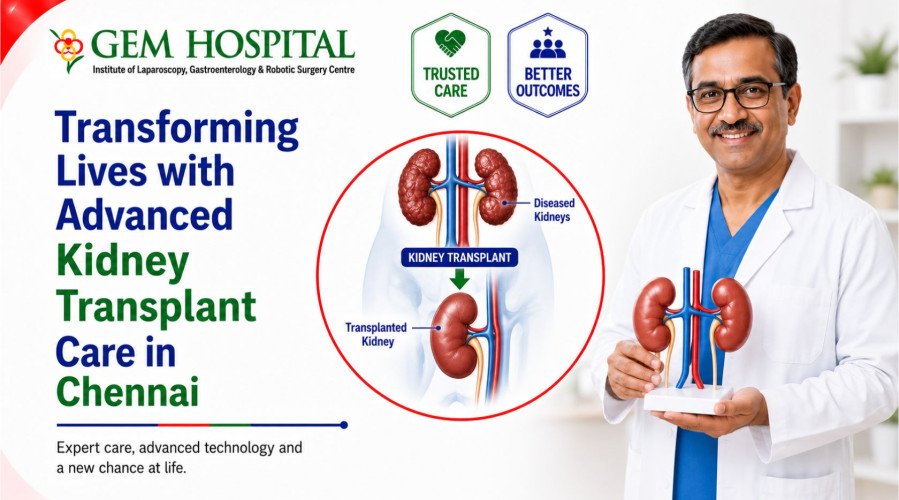
Transform lives with advanced kidney transplant care in Chennai. Expert surgeons, modern facilities, and personalized treatment ensure safe and successful outcomes.
Hope Starts Here: Expert Pancreatic Cancer Treatment & Surgery in Chennai
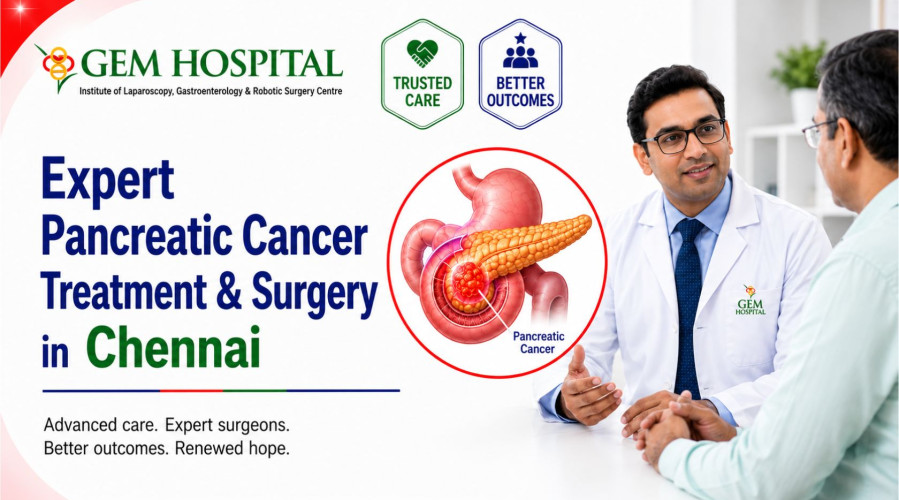
A diagnosis of pancreatic cancer can feel overwhelming. It’s one of the harder cancers to diagnose early, but with the right team and timely treatment, many patients have a significant improvement in their quality of life and their chances of survival. If you or your loved one is walking this road, knowing what Expert Pancreatic Cancer Treatment & Surgery in Chennai is like can be the first step towards hope and healing.
Chennai has slowly emerged as the hub of advanced oncology care in South Asia. With world class surgical expertise, state-of-the-art technology and multi-disciplinary teams working in tandem, patients from all over India and abroad are opting for Chennai for holistic pancreatic cancer treatment. Expert Pancreatic Cancer Treatment & Surgery in Chennai combines advanced medical technology with personalized care to support patients throughout their treatment journey.
What Is Pancreatic Cancer?
The pancreas, an important gland behind the stomach, helps digestion and blood sugar regulation. Pancreatic cancer happens when abnormal cells in the pancreas grow out of control.
The most common type, pancreatic ductal adenocarcinoma (PDAC), develops from the cells that line the pancreatic ducts and makes up about 90% of all cases. Understanding the disease is the first step toward seeking Expert Pancreatic Cancer Treatment & Surgery in Chennai at the right time.
Common Causes and Risk Factors
While no single cause has been identified, several factors increase the risk of developing pancreatic cancer:
- Chronic pancreatitis or long-standing inflammation of the pancreas
- Type 2 diabetes mellitus, especially of recent onset
- Smoking one of the strongest modifiable risk factors
- Obesity and a high-fat, low-fibre diet
- Family history of pancreatic or other gastrointestinal cancers
- Genetic mutations such as BRCA1/BRCA2 or Lynch syndrome
- Age above 60 years
Early identification of these risk factors can help patients seek Expert Pancreatic Cancer Treatment & Surgery in Chennai before the disease progresses.
Signs and Symptoms

Pancreatic cancer is often called a 'silent disease' because early-stage tumours rarely cause noticeable symptoms. Symptoms may appear when the cancer is advanced. The
key is knowing what to look for:
- Jaundice – yellowing of skin and eyes caused by a blocked bile duct
- Lack of appetite, weight loss without trying
- Long-lasting pain in the abdomen or back
- Nausea, vomiting or a change in bowel habit
- Newly diagnosed diabetes or poor blood sugar control
- Dark coloured urine and pale, greasy stools
See a specialist promptly if you develop any of these symptoms, particularly if you experience unexplained jaundice or ongoing abdominal pain. Early assessment can be
critical.
Diagnosis and Diagnostic Testing
Imaging, laboratory testing and tissue sampling are required for an accurate diagnosis:
- CT Scan (Computed Tomography) High resolution CT of the abdomen is usually the first imaging modality of choice for assessment of pancreatic masses.
- MRCP: Magnetic resonance cholangiopancreatography produces detailed images of the pancreatic duct and bile ducts without radiation.
- Endoscopic Ultrasound (EUS) – allows for direct visualization and fine needle biopsy of pancreatic lesions.
- ERCP (Endoscopic Retrograde Cholangiopancreatography): Used to diagnose and relieve obstruction of the bile duct.
- PET scan – To find out if it has spread to lymph nodes or other organs far away.
- Tumour Markers CA 19-9 and CEA are blood markers used to evaluate the disease activity and response to treatment.
- Tumour Markers CA 19-9 and CEA are blood markers used to evaluate the disease activity and response to treatment.
- Timely and accurate staging is critical in determining if surgery can be performed and what treatment will be most effective.
Treatment Choices
Surgical Treatment – The Whipple Procedure and Beyond
Surgery is the only curative treatment possible in pancreatic cancer. The type of surgery is decided by the location of the tumour:
Pancreaticoduodenectomy (Whipple Procedure) The most common operation for tumours in the head of the pancreas. It involves removal of the head of the pancreas, duodenum, part of the stomach, gallbladder and bile duct.
- Distal Pancreatectomy: If the tumour is in the body or tail of the pancreas, this operation removes the left part of the pancreas and the spleen.
- Total Pancreatectomy: Rare, this is the removal of the entire pancreas in selected cases.
- Minimally Invasive Surgery (Laparoscopic/Robotic)- If you qualify, faster recovery, less blood loss and smaller incisions.
- Non-surgical choices
Chemotherapy (used before surgery to shrink tumours, before surgery to reduce the risk of recurrence or as the main treatment for advanced disease). Common regimens are FOLFIRINOX and Gemcitabine based protocols - Radiation Therapy: Often used together with chemotherapy (chemoradiation) for locally advanced tumours.
- Targeted Therapy: PARP inhibitors may be useful for patients with certain genetic mutations, such as BRCA.
- Immunotherapy: Investigational therapies, such as checkpoint inhibitors, are being studied in clinical trials.
Palliative Care Relief of symptoms, management of pain and quality of life for patients with advanced-stage disease
High-Tech Technologies and Treatment Methods
Today, at the leading cancer centres in Chennai, several advanced modalities are now available and they are changing the way outcomes look like.
Robotic-assisted surgery provides improved precision and dexterity for complex pancreatic surgery and results in fewer complications.
- Intraoperative Radiation Therapy (IORT) – Delivers targeted radiation directly to the tumor site during surgery.
- Irreversible electroporation (NanoKnife): a novel ablation modality for locally advanced tumors adjacent to major blood vessels
- Next generation sequencing (NGS): Whole genome profiling of the tumour to identify potentially actionable mutations and guide personalised therapy.
HIPEC (Hyperthermic Intraperitoneal Chemotherapy): In selected cases of peritoneal involvement.
Benefits of getting treated early
The stage at which pancreatic cancer is diagnosed has a massive impact on outcomes. Patients diagnosed at a localised, resectable stage have much better survival rates, than patients diagnosed after the disease has spread.
Early treatment also:
- Preserves more surgical options, including nerve-sparing and vessel-preserving techniques
- Allows the use of neoadjuvant therapy to downstage borderline-resectable tumours
- Reduces the risk of distant metastases
- Improves the patient's overall strength and eligibility for aggressive treatment
- Supports a better quality of life throughout the treatment journey
- Recovery and Aftercare
What to Expect After Surgery
Recovery from pancreatic surgery, especially the Whipple procedure, takes time and careful management. The majority of patients remain in hospital for 7-14 days after the operation, with total recovery time of between 4 and 8 weeks. Key aspects of recovery are:
- Nutritional support: Often enzyme replacement therapy (PERT) is necessary after pancreatic surgery to support digestion.
- Blood sugar monitoring : The pancreas regulates insulin and treatment for diabetes may be needed after surgery.
- Pain management: Our pain team will help keep you comfortable as you recover.
- Physical rehabilitation: Mild physiotherapy, staged exercise to build strength.
Oncology follow up (every 3-6 months for first 2 years) CT, blood tests & oncology consult
Lifestyle recommendations
Patients should be encouraged to maintain an appropriate level of physical activity, avoid smoking and alcohol and follow a low fat high protein diet. Counselling and support groups provide emotional support and are a major part of overall wellbeing.
Why Go To Chennai For Expert Pancreatic Cancer Treatment & Surgery
Chennai has some of India’s most experienced surgical oncologists, gastroenterological surgeons and multidisciplinary cancer teams. The following factors make it a preferred destination:
- Subspecialist Expertise: Surgeons with specialized experience in complex pancreatic and hepatobiliary procedures are performing hundreds of such operations annually.
- Advanced infrastructure: Hospitals with robotic surgery platforms, PET-CT scanners, molecular pathology labs and modern ICUs.
- Multidisciplinary Tumour Boards: Surgical oncology, medical oncology, radiation oncology, radiology and pathology teams review the cases.
- Accessibility: Chennai’s international airport and well connected transport network makes it easily accessible for patients from Tamil Nadu, across India and South East Asia.
- Cost Effective Superior Quality: World class oncology care at a fraction of the cost as compared to the western countries, without compromising on quality or outcomes.
- Patient Care with Compassion: Tamil Nadu’s healthcare culture is patient-first, with multilingual support staff and dedicated patient navigators.
A diagnosis of pancreatic cancer is never easy, but when you receive Expert Pancreatic Cancer Treatment & Surgery in Chennai, you are not facing it alone. Chennai’s cancer centres offer real hope at every stage of the disease with highly trained specialists, advanced technology, and a system built around compassionate, patient-centred care.
At GEM Hospital, patients have access to experienced specialists, advanced surgical techniques, and comprehensive cancer care designed to support them throughout their treatment journey. The hospital's commitment to clinical excellence and personalized care makes it a trusted destination for pancreatic cancer treatment.
Don’t be afraid to see a specialist or get a second opinion. Early action is your best friend. Connect with the experts at GEM Hospital today and begin your road to recovery.
FAQs Frequently asked questions
1. Pancreatic cancer is always fatal?
Not really. Pancreatic cancer can be aggressive, but patients with early, resectable disease are given a meaningful chance of long-term survival with surgery and adjuvant chemotherapy. Innovations in treatment continue to improve the prognosis even for advanced stage disease .
2. How do you determine if my pancreatic cancer is operable?
Operability is a combination of CT/MRI imaging and involvement of major blood vessels. Each case is discussed by a multidisciplinary tumour board and tumours are classified as resectable, borderline resectable, locally advanced or metastatic.
3.What is the Whipple procedure and how long does it take?
The Whipple procedure (pancreaticoduodenectomy) is a complex operation to remove the head of the pancreas and surrounding structures. This usually takes 5 to 8 hours and a specialized surgical team.
4. What are the risks of pancreatic surgery?
Like any major surgery, risks include bleeding, infection, delayed gastric emptying, pancreatic fistula, and rarely, anastomotic leaks. In experienced centres, complication rates are well-managed and mortality rates are very low.
5. How soon after diagnosis should treatment begin?
Once staging is complete and a plan is in place treatment should begin as soon as possible – ideally within 2-4 weeks of diagnosis. Delays can allow the tumor to grow or spread, which reduces treatment options.
6. Do you treat patients from outside Tamilnadu in chennai?
Yes. Top hospitals in Chennai have special departments for outstation and international patients, telemedicine consultation, travel assistance and co-ordinated care packages.
7. If the operation was successful, will I need chemotherapy?
Yes, most of the time. Adjuvant chemotherapy is a standard part of pancreatic cancer care and is usually given for 6 months after surgery, significantly reducing the chance the cancer will return.
Blogs & Article
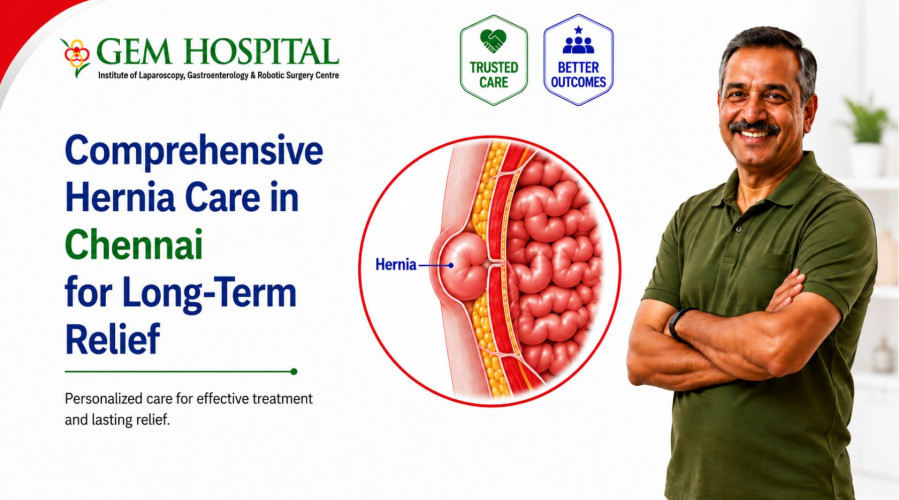
Get comprehensive hernia care in Chennai with expert surgeons, advanced treatment options, and personalized care for safe recovery and long-term relief.
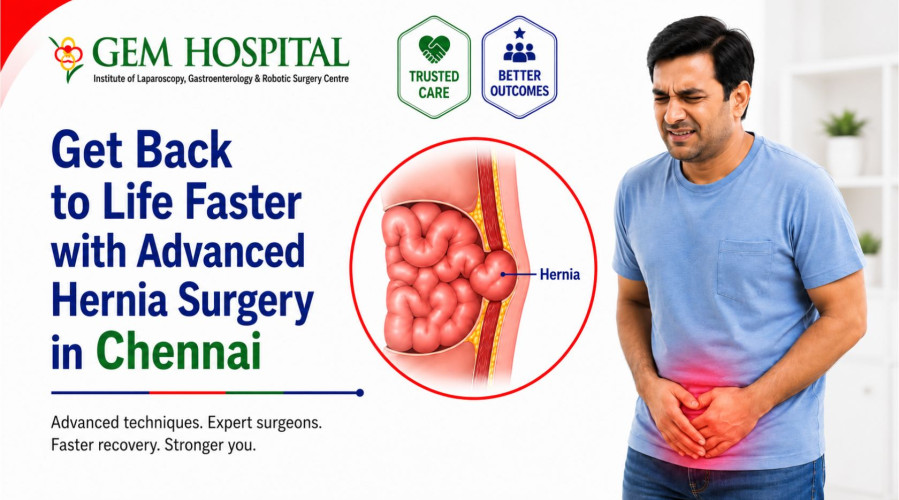
Recover quickly with advanced hernia surgery in Chennai. Expert surgeons, modern techniques, and faster healing help you get back to normal life sooner.