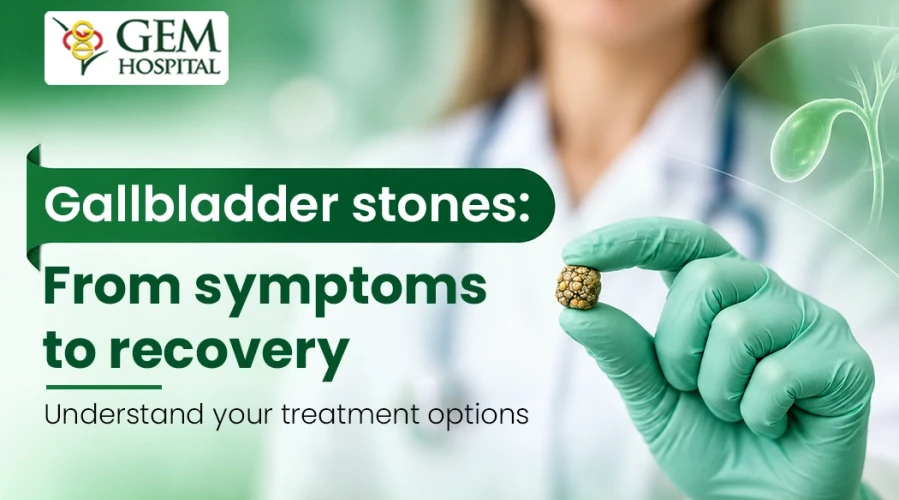
Learn about gallbladder stone symptoms, diagnosis, treatment options, surgery and recovery at GEM Hospital, Chennai.
Surgical Treatment for Esophagus and Stomach Disorders
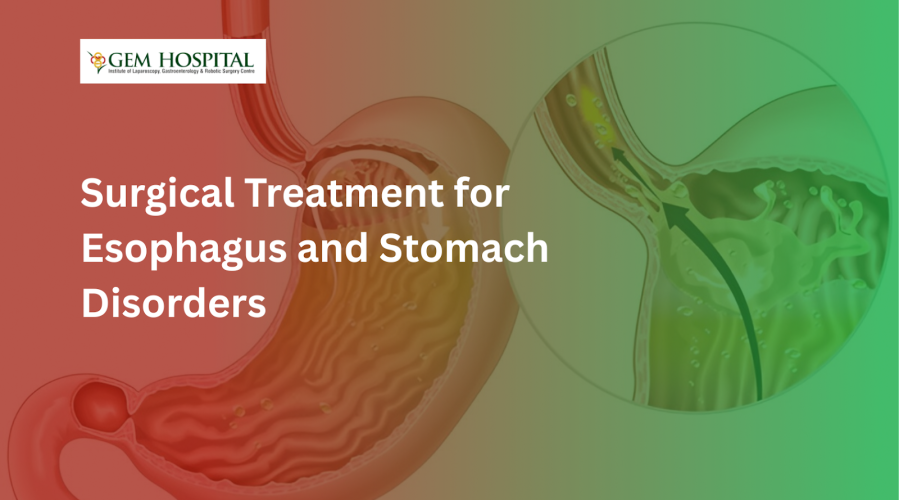
Disorders affecting the esophagus and stomach can significantly impact digestion, nutrition, and overall quality of life. While many gastrointestinal conditions can be managed with medications and lifestyle changes, certain cases require surgical intervention for long-term relief and recovery. Stomach disorder surgery plays a crucial role in treating advanced, chronic, or life-threatening conditions when non-surgical treatments fail.
This article explains common esophagus and stomach disorders, when surgery is required, and the most effective surgical treatment options available today.
Understanding Esophagus and Stomach Disorders
The esophagus is the muscular tube that carries food from the mouth to the stomach, while the stomach helps break down food through acids and enzymes. Disorders in these organs can disrupt digestion and cause severe discomfort.
Common esophageal disorders include:
- Gastroesophageal reflux disease (GERD)
- Hiatal hernia
- Esophageal strictures
- Achalasia
- Esophageal cancer
Common stomach disorders include:
- Peptic ulcers
- Gastritis
- Stomach obstruction
- Gastroparesis
- Stomach tumors and cancer
When these conditions progress or fail to respond to medical management, stomach disorder surgery or esophageal surgery becomes necessary.
When Is Surgery Recommended?
Surgery is usually considered in the following situations:
- Persistent symptoms despite medication
- Recurrent ulcers or bleeding
- Severe acid reflux causing esophageal damage
- Structural abnormalities such as hernias or strictures
- Obstructions preventing food passage
- Cancerous or precancerous growths
- Complications like perforation or severe infection
Timely surgical intervention can prevent further complications and improve long-term outcomes.
Surgical Treatment Options for Esophageal Disorders

1. Fundoplication Surgery
Fundoplication is commonly performed for severe GERD. During this procedure, the upper part of the stomach is wrapped around the lower esophagus to strengthen the valve and prevent acid reflux.
2. Hiatal Hernia Repair
A hiatal hernia occurs when part of the stomach moves into the chest cavity. Surgical repair restores the stomach to its normal position and reduces reflux symptoms.
3. Esophageal Dilation or Myotomy
Conditions like achalasia require procedures that relax or widen the esophagus to allow food to pass smoothly.
4. Esophagectomy
In severe cases such as esophageal cancer, partial or complete removal of the esophagus may be required, followed by reconstruction.
Surgical Treatment Options for Stomach Disorders
1. Peptic Ulcer Surgery
When ulcers cause uncontrolled bleeding, perforation, or obstruction, surgery may be required to repair the stomach lining or remove the affected area.
2. Gastric Resection
This involves partial removal of the stomach and is commonly performed for stomach cancer, severe ulcers, or tumors.
3. Laparoscopic Stomach Disorder Surgery
Minimally invasive laparoscopic techniques are widely used for many stomach disorders. These procedures result in smaller incisions, less pain, and faster recovery.
4. Gastrectomy
A total or partial gastrectomy may be necessary for advanced stomach cancer or severe gastric disease. Digestive reconstruction is done to maintain nutrient absorption.
5. Surgery for Gastric Outlet Obstruction
This procedure removes blockages that prevent food from passing from the stomach into the intestines.
Each stomach disorder surgery is carefully planned based on the patient’s condition, age, and overall health.
Benefits of Modern Surgical Techniques
Advancements in surgical technology have greatly improved patient outcomes. Benefits include:
- Reduced postoperative pain
- Shorter hospital stays
- Faster recovery and return to normal activities
- Lower risk of complications
- Improved long-term digestive function
Minimally invasive and laparoscopic approaches are now the standard for many esophagus and stomach surgeries.
Recovery and Post-Surgery Care
Recovery after stomach disorder surgery depends on the type of procedure performed. Patients may require:
- Temporary dietary modifications
- Medications to aid digestion
- Follow-up endoscopy or imaging
- Gradual return to physical activity
Proper post-operative care and regular follow-ups are essential for optimal healing and preventing recurrence.
Importance of Early Diagnosis
Early diagnosis and treatment of esophageal and stomach disorders can reduce the need for complex surgery. Persistent symptoms such as heartburn, abdominal pain, difficulty swallowing, vomiting, or unexplained weight loss should never be ignored.
Consulting a specialist at the right time ensures timely treatment and better surgical outcomes if required.
Surgical treatment for esophagus and stomach disorders offers effective, long-term relief for patients suffering from chronic or severe gastrointestinal conditions. With advanced techniques and expert surgical care, stomach disorder surgery can restore digestive health, improve quality of life, and prevent serious complications.
At GEM Hospital, patients receive comprehensive care from experienced gastrointestinal surgeons using advanced surgical and minimally invasive techniques. If you or a loved one is experiencing persistent digestive symptoms, book an appointment at GEM Hospital today for expert evaluation and personalized treatment.
Book a consultation with GEM Hospital’s today.