Looking for liver transplant in Chennai? Learn how to choose an experienced liver transplant surgeon based on expertise, transplant team, technology and care.
Piles and Fistula: Causes, Prevention, and Healthy Lifestyle Tips
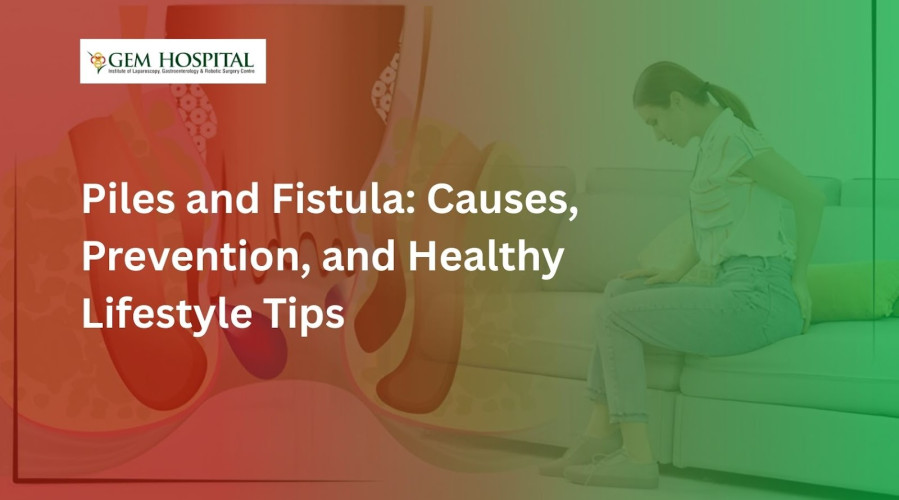
Piles and fistula are common anorectal conditions that affect many people due to unhealthy lifestyle habits, poor diet, and lack of physical activity. Piles, also known as hemorrhoids, occur when the veins in the rectal area become swollen or inflamed. A fistula is an abnormal tunnel that develops between the anal canal and the skin around the anus.
Although these conditions can cause discomfort and pain, they can often be prevented through healthy lifestyle practices, proper hygiene, and a balanced diet.
Lifestyle Habits to Prevent Piles and Fistula
Maintaining a healthy lifestyle plays an important role in preventing piles and fistula. Small changes in daily habits can significantly reduce the risk of these conditions.
Eat Fiber-Rich Foods
A fiber-rich diet is essential for preventing constipation, which is one of the main causes of piles.
Consuming foods high in fiber helps soften stools and allows easier bowel movements.
Recommended foods include:
- Whole grains
- Leafy green vegetables
- Fresh fruits
- Vegetables
- Beans and lentils
- Oats, barley, and wheat products
These foods improve digestive health and reduce pressure on the anal veins.
Stay Hydrated
Drinking enough water is essential for maintaining healthy digestion and preventing constipation.
It is recommended to drink at least 1.5 to 2 liters of water daily, which equals around 8 to 10 glasses of water.
Proper hydration helps keep stools soft and supports smooth bowel movements, reducing the risk of developing piles and fistula.
Avoid Straining During Bowel Movements
Straining while passing stools can increase pressure on the veins in the anal area and lead to hemorrhoids.
Important habits to follow:
- Avoid excessive pushing during bowel movements
- Do not sit on the toilet for long periods
- Use the toilet only when you feel the urge
Following these practices helps prevent strain on the rectal veins.
Exercise Regularly
Regular physical activity improves digestive health and blood circulation, which can reduce the risk of piles and other digestive disorders.
Experts recommend at least 30 minutes of daily exercise.
Good exercise options include:
- Walking
- Swimming
- Yoga
- Light aerobic activities
Exercise helps stimulate bowel movement and maintain overall gut health.

Hygiene and Care for Anal Health
Maintaining proper hygiene is very important in preventing infections and irritation that may lead to piles or fistula.
Gentle Cleaning
Keep the anal area clean and dry.
After every bowel movement:
- Wash the area gently with lukewarm water
- Use soft, fragrance-free wipes or water
- Avoid harsh rubbing or scrubbing
Gentle cleaning helps protect the sensitive skin around the anal area.
Avoid Skin Irritation
Use mild and fragrance-free soaps for cleaning the area.
Avoid the following:
- Harsh scrubbing
- Strong perfumes or scented products
- Rough toilet paper
These products can irritate the sensitive skin and worsen symptoms of piles or fistula.
Maintain Clean Clothing
Regularly change towels and undergarments to prevent bacterial growth.
Maintaining personal hygiene helps prevent infections and promotes better anal health.
Reduce Pressure on the Anal Area
People who sit for long hours at work may experience increased pressure on the anal region.
To reduce this pressure:
- Use a cushion or donut pillow while sitting
- Take regular breaks to stand and move around
Reducing pressure on the anal area can help prevent discomfort and reduce the risk of piles.
Piles and fistula can often be prevented through simple lifestyle changes such as eating a fiber-rich diet, drinking enough water, exercising regularly, and maintaining proper hygiene.
Early attention to digestive health and bowel habits plays a key role in preventing these conditions.
If you experience symptoms such as pain, bleeding during bowel movements, swelling around the anal area, or persistent discomfort, it is important to consult a medical specialist for proper diagnosis and treatment. Don’t ignore these warning signs — early care can prevent complications. Book an appointment at GEM Hospital to receive expert evaluation and advanced treatment from experienced specialists.
Book a consultation with GEM Hospital’s today.