Looking for liver transplant in Chennai? Learn how to choose an experienced liver transplant surgeon based on expertise, transplant team, technology and care.
Gut Health: How Modern Food Habits Affect the Digestive System
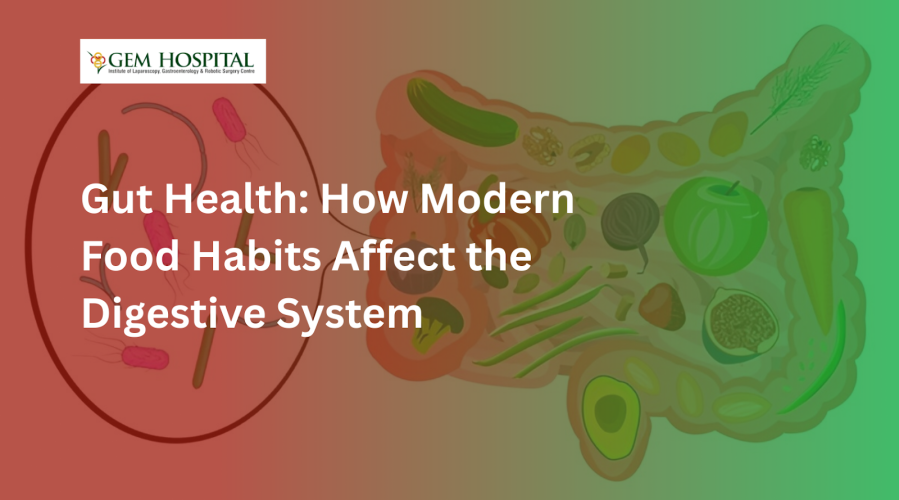
The foundation of overall health lies in maintaining good gut health. The digestive system plays a crucial role in converting food into nutrients and energy required for the body to function properly. For generations, traditional wisdom has emphasized the idea that “food itself can be medicine.”
However, modern lifestyle changes have significantly altered our eating habits. Today, the increased consumption of fast foods, processed foods, and artificial food products has negatively affected gut health.
These foods often contain preservatives, chemicals, high levels of fat, sugar, and salt. Over time, such dietary habits can damage the lining of the digestive system and lead to various digestive disorders such as indigestion, acidity, bloating, and constipation.
Maintaining a healthy diet is essential to protect and improve gut health and digestive health.
Natural Foods That Support Gut Health
Traditional natural foods play an important role in maintaining a healthy digestive system.
Foods that improve gut health include:
- Leafy green vegetables
- Lentils and legumes
- Fresh fruits and vegetables
- Whole grains and millets
Millets such as pearl millet (kambu) and finger millet (ragi) are rich in dietary fiber. Fiber improves bowel movement and helps maintain proper digestion.
Indian gooseberry (amla) is known for its ability to cleanse the digestive system and boost immunity. Spices such as dry ginger and pepper can improve digestion and reduce stomach bloating.

Healthy Eating Habits for Better Digestive Health
Maintaining proper eating habits is essential for improving gut health and digestive function.
Some simple habits include:
- Do not skip breakfast
- Eat meals at regular times each day
- Chew food slowly and properly
- Eat a light dinner
- Finish dinner at least two hours before sleeping
- Limit oily foods, tea, and coffee
These habits help support the natural functioning of the digestive system.
Importance of Probiotic Foods for Gut Health
Probiotics are beneficial bacteria that support gut health and digestive balance.
Natural probiotic foods include:
- Curd (yogurt)
- Buttermilk
- Traditional pickles
These foods promote the growth of healthy bacteria in the digestive system and improve digestion.
Traditional ingredients such as tulsi, ajwain, and fenugreek can also support digestive health.
Importance of Drinking Water for Digestive Health
Drinking enough water is essential for maintaining proper gut health.
It is recommended to drink at least 2–3 liters of water daily. Drinking warm water in the morning on an empty stomach can help cleanse the digestive system.
Adequate hydration supports digestion, prevents constipation, and improves overall digestive health.
Role of Exercise in Gut Health
Regular physical activity plays an important role in maintaining digestive health and gut function.
Practicing 30 minutes of exercise daily, such as walking or yoga, helps stimulate bowel movement and improve digestion.
Yoga poses such as Vajrasana and Pavanamuktasana are especially beneficial for strengthening the digestive system.
Managing stress is also important because stress can affect gut health and digestion.
Habits That Can Harm Gut Health
Certain lifestyle habits can negatively affect gut health and digestive health.
These include:
- Smoking
- Alcohol consumption
- Excess consumption of coffee or tea
- Eating fast foods and processed foods
- Artificial sweeteners
Another unhealthy habit is going to bed immediately after eating dinner.
Myths and Facts About Food and Digestion
Myth: Skipping breakfast helps with weight loss
Fact: Skipping breakfast slows metabolism and increases hunger later. A balanced breakfast supports digestive health and healthy weight management.
Myth: Fruits should not be eaten after meals
Fact: Fruits contain natural enzymes and fiber that support digestion and improve gut health.
Myth: Drinking water during meals harms digestion
Fact: Drinking moderate amounts of water during meals does not negatively affect digestion.
When to Consult a Doctor
If symptoms such as persistent stomach pain, indigestion, nausea, vomiting, or digestive discomfort continue for more than two weeks, it is important to consult a doctor. Proper diagnosis and treatment can help prevent serious digestive disorders. Book an appointment at GEM Hospital for expert consultation and advanced digestive care. Early medical attention can help protect your gut health and overall well-being.
Book a consultation with GEM Hospital’s today.