Explore stage 4 pancreatic cancer treatment options, including chemotherapy, targeted therapy, symptom relief and the role of surgery in Chennai.
Monsoon & Gallbladder Attacks: Why Rainy Weather Triggers More Pain
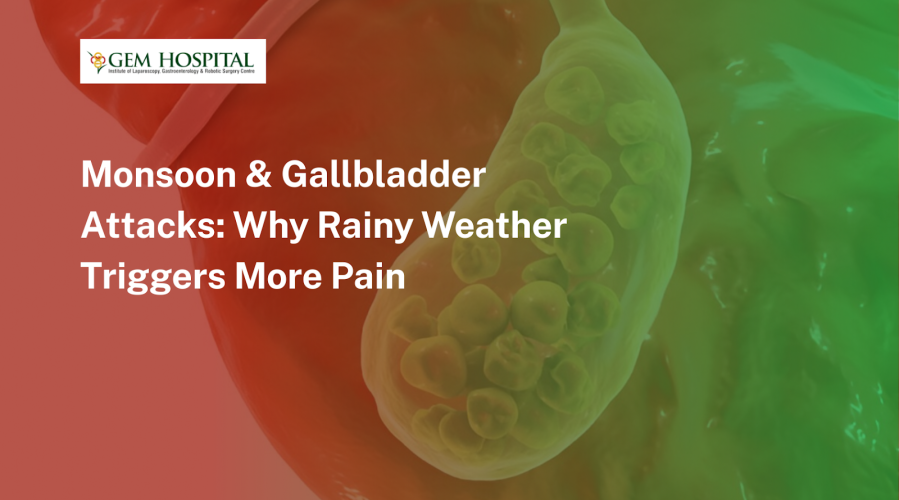
While the rainy season offers a reprieve from the oppressive temperatures in many places, it is important to remember that change in the season can be a cause of multiple health issues for numerous individuals. One specific concern is the increased incidence of gallbladder inflammation during periods of rainfall due to sudden lifestyle and environmental changes (i.e. food, drink and the associated activity levels). The consumption of oily foods, street food and contaminated water are all common practice during this time. This places those persons at a higher risk of having an inflamed gallbladder or complications related to gallstones, known as Gallbladder Attacks in Monsoon.
Knowledge of the reasons that contribute to pain experienced during rainy periods will enable individuals to take the precautions necessary to increase the likelihood of avoiding gallbladder-related pains and to seek appropriate medical attention for Gallbladder Attacks in Monsoon.
Rainy Weather and its Effects on Gallbladder
Rainy weather creates conditions that are ideal for the presence of disease causing organisms, digestive problems associated with a decline in hydration levels and increased risk of dehydration from using oily or spicy street foods. The humidity from the rain can impede on an individual's ability to digest foods properly, while effects on bile moving through the gallbladder will lead to an increased thickness and concentration of bile, thus increasing the risk of developing gallstones.
The amount of water that a person consumes is generally reduced during rainfall as a result of cooler temperatures. "Dehydration" makes thicker bile; thicker bile irritates the lining of the gallbladder. The lack of daily physical movements that are normally performed will also cause the lack of gut movement, which will contribute to slower digestion of fats when compared with routine movement associated with increasing metabolic rates during "nice" weather.
Increased availability of fried and spicy street foods during the rainy season may be added to gallbladder-stimulated/over-stimulated release of bile. The extra bile may cause pain and cramping for those persons suffering from gallstones or mild gallbladder-related infections, triggering Gallbladder Attacks in Monsoon.

Common Symptoms of Gallbladder Attacks in Monsoon
Mine is the actual gallbladder pain that can occur rapidly and frequently during rainy days. Many people will mistake their symptoms for either existing Acidity (or Food Poisoning) and delay necessary treatment. If people know the warning signs early on, then they can minimize any complications that occur later down the line.
Symptoms include:
- Sharp pain in the upper right side of your abdomen
- Pain radiating from your back or right shoulder
- Nausea and vomitin
- Febrile chills
- Indigestion and bloating
If these symptoms worsen during monsoon season, it may be indicative of Gallbladder Attacks in Monsoon, so it’s advisable to seek medical attention as soon as possible.
Lifestyle Influences on Gallbladder Attacks in the Monsoon Season
Modern ways of life during monsoon contribute to creating a greater risk of gallbladder problems. In monsoon times, we generally have limited outdoor activities, resulting in slower metabolisms, excessive body weight (due to decreased activity), and consuming heavier foods, which all contribute to causing disturbances in how the gallbladder works and increasing Gallbladder Attacks in Monsoon.
Poor food hygiene is one of the main triggers for gallbladder attacks in the monsoon season. The high volume of rainwater can contaminate food and drink with bacteria increasing the risks of developing a bacterial infection that directly impacts on your digestive system. When the digestive system becomes weak, this can lead to the gallbladder struggling to function properly, leading to Gallbladder Attacks in Monsoon.
Stress is also a significant risk factor for gallbladder attacks in monsoon because of changes to work schedules, sleep patterns, and aspects of mental health. When a person is under stress, they typically either secrete more (or less) hormones that control how often/when the bile is released from the gallbladder, which can lead to an increased chance of having painful episodes.
High-risk groups include:
- Individuals with previous gallstones in their history
- People who are obese or have undergone drastic weight fluctuations
- People with diabete
- Pregnant women
- People on a high-fat diet
During rainy seasons, people living with the above conditions exhibit greater intensity and frequency of symptoms related to Gallbladder Attacks in Monsoon.
Preventative Measures & Treatments During Rainy Seasons
The positive aspect regarding gallbladder attacks is that they can be prevented by applying basic dietary and lifestyle changes. The best option for helping maintain optimal bile flow is to consume large amounts of clean (pure) water. Drinking warm beverages, such as herbal tea, will also help to improve digestion and reduce inflammation.
It is essential that people consume a low-fat high-fiber diet for optimum health.
Recommended habits:
- Freshly prepared or cooked foods
- Steamed vegetables
- Whole grains
Avoid:
- Street foods from exposition venues
- Mobile vendors using reheated oils
Routine mild exercises, such as walking and yoga, increase the efficiency of digestion and help to reduce bile stagnation. Indoor stretching exercises also significantly lower an individual's risk of having Gallbladder Attacks in Monsoon.
Advanced Treatments and Expert Care at Gem Hospital
In the case that an individual has severe or recurring gallbladder problems, medical treatment from a physician or surgeon may be necessary. Gem Hospital provides high-tech diagnostic services as well as minimally invasive procedures in the treatment of gallbladder disorders. The highly skilled staff at Gem Hospital provides superior diagnostic services and offers the best personalized health care depending on the needs of each individual patient.
Gem Hospital promotes a team approach; it provides a variety of individual patient-centered treatment plans that promote quicker recovery and lower amounts of pain associated with treatment. It is important that people seek medical help from a qualified healthcare professional in order to avoid complications and possible emergency surgery.
The keyword Gallbladder Attacks in Monsoon represents a serious medical concern that should not be overlooked in cases of recurrent pain.
The monsoon season does not need to be associated with pain; by taking advantage of awareness and making lifestyle modifications, along with seeking timely medical assistance, gallbladder problems can be effectively controlled. If you or a person close to you experiences recurring abdominal pain during the rainy months, it would be wise to consult with a specialist as soon as possible.
To find out more about the best ways to treat gallbladder problems, call Gem Hospital and make an appointment today.
Book a consultation with GEM Hospital’s today.