Looking for liver transplant in Chennai? Learn how to choose an experienced liver transplant surgeon based on expertise, transplant team, technology and care.
How Dehydration in Monsoon Leads to Kidney Stones in Chennai
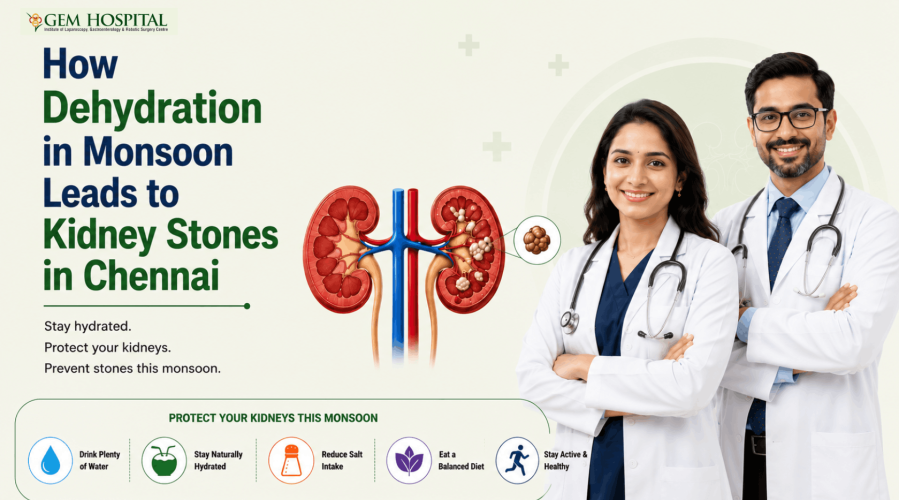
Most people in Chennai think of dehydration as a summer problem. The intense heat, dry air, and constant thirst from March to June make it obvious. So when the monsoon arrives and temperatures drop, there’s a sense of relief. People naturally stop paying attention to how much water they drink. Hydration becomes less of a priority, and kidney health fades into the background.
That’s exactly when the real risk begins.
The connection between dehydration kidney stones Chennai during the monsoon season often goes unnoticed. Every year, hospitals across the city report a rise in kidney stone cases once the rains settle in. This doesn’t happen because the monsoon creates a new health issue, it happens because people unknowingly abandon the habits that were protecting them during the summer.
With cooler weather, reduced thirst, and less visible sweating, fluid intake drops significantly. But the body still needs adequate hydration to keep the kidneys functioning properly. When you don’t drink enough water, urine becomes more concentrated, allowing minerals to crystallize and form stones.
If kidney stones run in your family or you’ve experienced one before, the monsoon months in Chennai require extra attention. Staying consistent with your water intake, even when you don’t feel thirsty, can make a crucial difference in preventing painful complications.
How Monsoon Tricks You Into Dehydration
Summer dehydration announces itself loudly. You sweat through your shirt, your throat feels dry within an hour, and your body practically demands water. You respond instinctively.
Monsoon dehydration works the opposite way: it's quiet. The temperature drops slightly, the air feels heavy and moist, and you're not visibly sweating. You don’t feel thirsty the way you did in peak summer, so you simply don’t drink as much. Most people don’t even realize this shift is happening.
But your kidneys don’t adjust based on the weather. They still need a steady supply of fluid to dilute the minerals in your urine calcium, oxalate, and uric acid and flush them out before they start sticking together. The moment your fluid intake drops, even gradually, these minerals become more concentrated. That’s exactly where stone formation begins.
This silent pattern explains the rise of dehydration kidney stones Chennai cases during every monsoon. People who were drinking two litres of water daily in summer often drop to one litre or even less by August. The kidneys continue working in the background, but the internal balance changes. Over time, crystals begin forming, and a kidney stone develops long before any symptoms appear.
Why Chennai's Monsoon Adds Extra Risk
Chennai's northeast monsoon, usually from October through December, brings intense humidity along with steady rainfall. The air feels thick and saturated, and people naturally spend more time indoors with air conditioners running for longer hours.
Here’s what most people don’t realize: air-conditioned environments can quietly contribute to dehydration. AC systems remove moisture from the air, and over extended periods indoors, this can lead to gradual fluid loss from your body often without triggering noticeable thirst.
At the same time, food habits tend to shift during the monsoon. Diets often include heavier meals, increased use of tamarind, salty snacks, and fried foods all common comfort foods in Chennai. This combination of higher salt and oxalate intake, along with reduced water consumption, creates the perfect internal environment for stone formation.
This is a key reason behind the rise of dehydration kidney stones Chennai cases during the monsoon season. When fluid intake drops and dietary factors increase mineral concentration in the body, the risk of kidney stones grows significantly.
For those who have already experienced a kidney stone, the risk is even higher. Studies show that nearly half of all patients may develop another stone within ten years. The monsoon months in Chennai are exactly when this risk begins to climb quietly, often without any early warning signs.
Symptoms of Kidney Stones You Shouldn't Dismiss
Stones don't always give warning. But when they start moving, they're hard to ignore:
Sudden, severe pain in the back, side, or lower abdomen often described as one of the worst pains a person can feel
- Pain that comes in waves rather than staying constant
- A burning sensation while urinating
- Urine that looks pink, reddish, or cloudy
- A constant urge to urinate, even though very little actually comes out
- Nausea or vomiting alongside the pain
- Fever and chills which can mean an infection has developed along with the stone
That last combination of pain with fever needs same-day medical attention. A blocked stone with an infection on top of it is a genuine emergency, not something to wait out at home.

The Role of Monsoon Diet in Stone Formation
What you eat during the monsoon matters more than most people realize.
Spinach, nuts, chocolate, and strong tea all common in Chennai’s rainy season are high in oxalates. When consumed with proper hydration, they’re generally harmless. But when your water intake drops, these foods can directly contribute to calcium oxalate stone formation, the most common type of kidney stone.
Salt is another major factor. Pickles and packaged snacks, popular monsoon comfort foods in many Chennai households, increase sodium levels in the body. Higher sodium causes more calcium to be released into the urine. When that calcium mixes with concentrated urine due to low fluid intake, it significantly raises the risk of stone formation.
High-protein meals also play a role by increasing uric acid levels, adding another layer of risk. And if tea or coffee replaces water throughout the day, it further contributes to dehydration, making conditions even more favorable for stones to develop.
This combination of dietary habits and reduced hydration is a key driver behind dehydration kidney stones Chennai cases during the monsoon. It’s not about completely avoiding these foods it’s about ensuring your water intake is enough to balance their effects.
How to Know If You’re Drinking Enough
You don’t need a tracking app to monitor hydration. A simple way is to observe your urine color. Pale yellow indicates good hydration, while dark yellow, amber, or orange suggests your body is already under strain and needs more fluids.
Two litres of water per day is the basic recommendation. However, during Chennai’s humid monsoon especially if you have a history of kidney stones it’s safer to aim for 2.5 to 3 litres daily. And this should primarily come from plain water. Beverages like tea, coffee, and soft drinks don’t hydrate the same way and, in some cases, may even contribute to dehydration.
When to See a Doctor
Don't try to ride out kidney stone symptoms at home. See a kidney specialist right away if you notice:
Severe pain that doesn't ease up with rest or basic painkillers
- Blood in your urine
- Fever along with back or abdominal pain
- Nausea so bad you can't keep fluids down
- Pain that's been steadily building over several days
Small stones often pass on their own with enough water and proper pain management. Larger stones or ones causing a blockage or infection need medical treatment, which could mean anything from medication to minimally invasive procedures like ureteroscopy or shock wave lithotripsy.
Tips to Prevent Kidney Stones During Monsoon
- Drink two to three litres of water daily, even when the cool, cloudy weather doesn’t make you feel thirsty
- Set a phone reminder if you tend to forget it works better than relying on memory alone
- Cut down on salt, especially from packaged snacks, instant noodles, and pickles
- Go easy on strong tea and coffee during the monsoon months
- Add a slice of lemon to your water the citrate helps reduce the risk of stone formation
- If you’ve had a kidney stone before, ask your doctor whether a 24-hour urine test is needed before monsoon peaks
- Consider a urine test and kidney ultrasound if stones run in your family early detection can help you avoid severe pain and complications
Staying consistent with these habits can significantly reduce your risk, even when the monsoon quietly increases the chances of stone formation.
The monsoon brings welcome relief from Chennai’s intense summer heat, but it also introduces a hidden risk that often goes unnoticed. The link between dehydration kidney stones Chennai cases becomes more evident during the rainy season, as reduced thirst and lower water intake quietly affect kidney health.
The solution, however, is simple and effective drink enough water consistently, even when you don’t feel thirsty. Maintaining proper hydration is one of the easiest ways to prevent kidney stones and protect your overall health during the monsoon.
If you’re already experiencing symptoms such as pain, discomfort, or changes in urination, it’s important not to ignore them. For expert kidney care, accurate diagnosis, and personalized treatment in Chennai, you can visit GEM Hospitals. Their experienced nephrologists and urologists provide timely care to help you manage and prevent kidney stones, keeping your kidneys healthy through this monsoon and beyond.
Book a consultation with GEM Hospital’s today.