



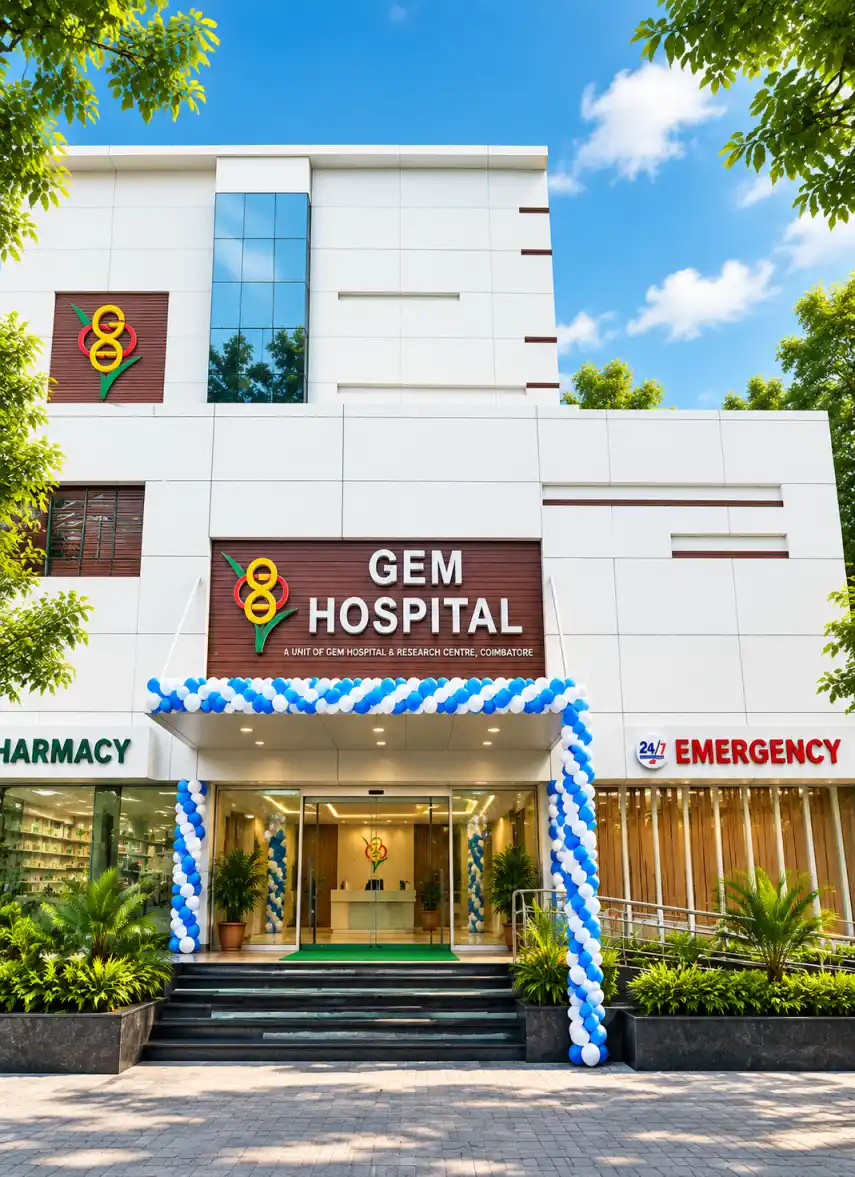

Kidney Dialysis Treatment in Chennai: What Patients Need to Know

Understanding your options for kidney dialysis treatment in Chennai early on can take a lot of the fear out of a diagnosis that initially feels overwhelming.
Being told you need dialysis is a lot to take in, and it's natural to have a flood of questions all at once how it actually works, how often you'll need it, whether it's painful, how much it costs, and how it'll fit into daily life, work, and family responsibilities. GEM Hospital sees patients through this transition regularly, and having clear, honest answers upfront tends to make the whole process far less daunting than it initially feels.
That's exactly the approach GEM Hospital takes with kidney dialysis treatment in Chennai clear communication from the very first consultation.
Why Dialysis Becomes Necessary
Dialysis takes over the kidney's job of filtering waste products and excess fluid from the blood when the kidneys themselves can no longer do it effectively enough on their own typically once kidney function, measured as GFR (glomerular filtration rate), drops below around 15% of normal, a stage referred to as end-stage renal disease. This usually happens gradually over years, most commonly as a result of long-standing diabetes, high blood pressure, or chronic kidney disease from other causes, though it can occasionally happen suddenly with acute kidney injury from an illness, medication reaction, or severe dehydration, in which case dialysis might only be temporary until the kidneys recover.
The Two Main Types
One of the first things to understand about kidney dialysis treatment in Chennai is that there isn't just one way to do it. Haemodialysis is the more familiar option to most people
Haemodialysis is the more familiar option to most people blood is drawn out through an access point (usually an AV fistula created surgically in the arm), filtered through a machine that removes waste and excess fluid, and returned to the body, usually done at a dialysis centre three times a week for about three to four hours per session. This requires travel to a centre on a fixed schedule, which is a real lifestyle consideration for working patients.
Peritoneal dialysis works quite differently, using the natural lining of your own abdomen (the peritoneum) as a filtering membrane, with a special fluid introduced and drained through a permanently placed catheter. This can often be done at home with proper training, either manually a few times a day or overnight using a machine, giving patients considerably more flexibility around daily routines, work schedules, and even travel, since it doesn't tie them to a centre's fixed timing.
Which one suits a particular patient depends on lifestyle, home support and living conditions, other existing health conditions, and honestly, personal preference too there's no single right answer for everyone, and GEM Hospital's nephrology team takes the time to walk patients through the practical realities of both before helping them decide.
This kind of personalized guidance is what makes kidney dialysis treatment in Chennai at GEM Hospital feel less like a one-size-fits-all protocol and more like actual care.
What a Session Actually Feels Like
Most patients describe dialysis sessions as uneventful rather than painful, once the initial anxiety around starting settles down there's a brief pinch when needles are placed for haemodialysis, but the session itself is generally sit-and-wait, with many people reading, watching something on their phone, chatting with other patients, or just resting through it. Some fatigue afterward is common, particularly in the first few sessions as the body adjusts to the fluid and chemical shifts happening rapidly during dialysis, but this typically settles noticeably with time as the body adapts to the routine.

Living Well on Dialysis
A big part of adjusting to kidney dialysis treatment in Chennai is learning to live well around it, not just enduring it. Diet and fluid management become a bigger, more deliberate part of daily life once dialysis starts. watching potassium, phosphorus, and sodium intake carefully, along with limiting fluid intake to avoid overload between sessions, since the kidneys are no longer regulating this naturally. It sounds quite restrictive at first, and honestly it takes some adjustment, but most patients adapt within a few weeks with proper dietitian guidance and practical tips for working around favourite foods rather than eliminating them entirely.
It's entirely possible to keep working, travelling, and living a largely normal, active life alongside a dialysis schedule plenty of patients continue full-time jobs, and peritoneal dialysis in particular makes travel considerably easier since supplies can be arranged in advance at destination or carried along.
Getting Started
If dialysis has come up in a recent conversation with your doctor, it genuinely helps to get ahead of it rather than wait for a crisis starting the access procedure (like an AV fistula, which needs several weeks to mature before it can be used) well in advance makes the actual transition to dialysis much smoother and avoids the need for temporary, less comfortable access options. GEM Hospital's nephrology unit can guide you through choosing the right modality for your specific situation and getting set up with minimal disruption to daily life and work.
If you're just starting to explore kidney dialysis treatment in Chennai, getting ahead of the process with the right team makes the entire transition far smoother than facing it under pressure.

