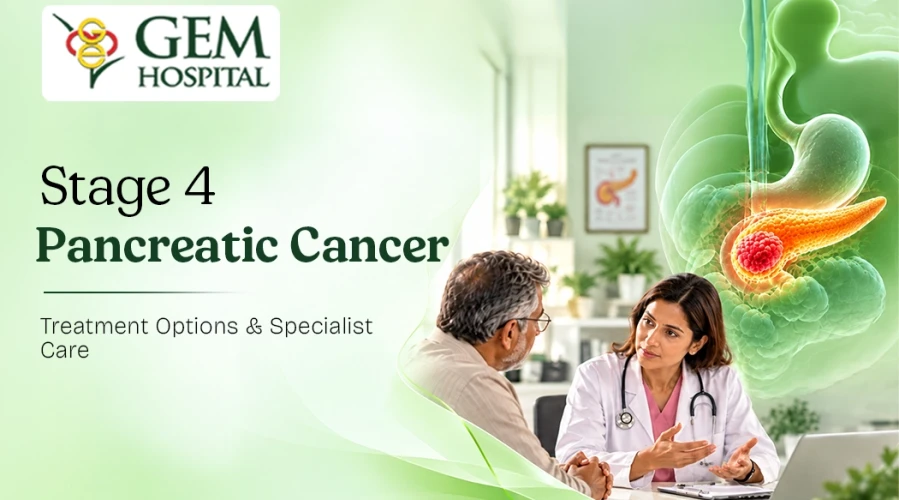
Explore stage 4 pancreatic cancer treatment options, including chemotherapy, targeted therapy, symptom relief and the role of surgery in Chennai.
Chronic Anal Fissure Treatment: When Surgery Is Needed
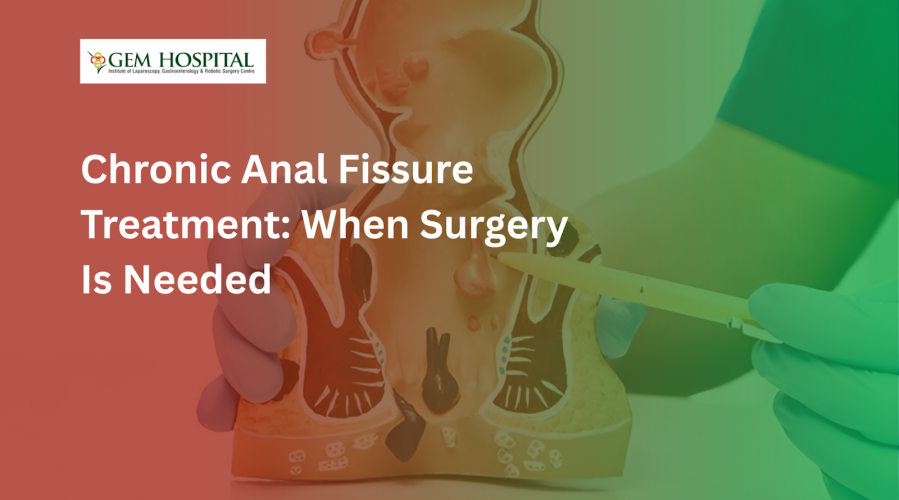
A chronic anal fissure is a painful condition that significantly affects daily life. Unlike an acute fissure, which usually heals within a few weeks, a chronic fissure lasts longer than six weeks and often fails to respond to basic treatments. Understanding the right chronic anal fissure treatment options and knowing when surgery becomes necessary—can help patients get lasting relief and avoid repeated pain episodes.
What Is a Chronic Anal Fissure?
An anal fissure is a small tear in the lining of the anal canal. When this tear does not heal properly and continues to cause symptoms for more than six weeks, it is classified as a chronic anal fissure. Chronic fissures often develop thickened edges, exposed muscle fibers, and skin tags, making natural healing difficult.
Causes of Chronic Anal Fissure
The most common causes include:
- Repeated constipation and passing hard stools
- Excessive straining during bowel movements
- Chronic diarrhea
- Poor blood flow to the anal region
- Previous untreated acute fissure
Over time, pain causes involuntary tightening of the anal sphincter muscle, which further reduces blood flow and prevents healing. This cycle makes chronic anal fissure treatment more complex than early-stage fissures.
Symptoms You Should Not Ignore
Common symptoms of a chronic anal fissure include:
- Sharp or burning pain during and after bowel movements
- Bright red blood on toilet paper or stool
- Persistent discomfort lasting hours after passing stools
- A visible crack or skin tag near the anus
- Fear of bowel movements due to pain
If these symptoms continue despite home care, professional treatment becomes essential.
Non-Surgical Chronic Anal Fissure Treatment Options
In many cases, doctors first attempt non-surgical methods before recommending surgery.
1. Medications
Topical ointments such as nitroglycerin, calcium channel blockers, or muscle-relaxing creams help reduce sphincter pressure and improve blood flow, promoting healing.
2. Stool Softeners and Fiber Supplements
These reduce strain during bowel movements, which is crucial for fissure recovery.
3. Sitz Baths
Warm water baths help relax the anal muscles, reduce pain, and improve circulation.
4. Botox Injections
Botulinum toxin injections temporarily relax the anal sphincter, allowing the fissure to heal. This method is effective for many patients but may not work in long-standing cases.
While these approaches are effective in early or moderate cases, some patients experience persistent symptoms. In such situations, advanced chronic anal fissure treatment may be required.
When Is Surgery Needed for Chronic Anal Fissure?
Surgery is considered when:
- The fissure lasts longer than 6–8 weeks
- Pain and bleeding persist despite medication
- Botox or conservative treatments fail
- Quality of life is severely affected
Surgical treatment focuses on breaking the cycle of pain, muscle spasm, and poor blood supply.
Surgical Options for Chronic Anal Fissure Treatment
Lateral Internal Sphincterotomy (LIS)
This is the most commonly performed and highly effective surgery for chronic anal fissures. A small portion of the internal anal sphincter muscle is carefully cut to reduce tension and improve blood flow, allowing the fissure to heal naturally.
Benefits of LIS include:
- High success rate (over 90%)
- Long-term relief from pain
Quick recovery

Advanced Minimally Invasive Procedures
Modern surgical techniques use minimally invasive approaches to reduce pain, hospital stay, and recovery time. These procedures are safe when performed by experienced colorectal surgeons.
Recovery After Surgery
Most patients experience significant pain relief within a few days after surgery. Normal activities can usually be resumed within one to two weeks. Doctors advise maintaining a fiber-rich diet, good hydration, and healthy bowel habits to prevent recurrence.
Preventing Recurrence After Treatment
Even after successful chronic anal fissure treatment, prevention is essential:
- Eat high-fiber foods
- Drink plenty of water
- Avoid straining during bowel movements
- Maintain regular bowel habits
- Address constipation early
Lifestyle changes play a major role in long-term recovery.
Chronic anal fissures can be extremely painful and emotionally distressing, but effective treatment is available. While medications and non-surgical options help many patients, surgery becomes the best solution when conservative methods fail. Early diagnosis and the right treatment approach ensure faster recovery and lasting relief.
At GEM Hospital, expert colorectal specialists provide advanced and patient-focused chronic anal fissure treatment using safe, modern surgical techniques. If you are experiencing persistent anal pain or bleeding, don’t delay care. Book an appointment today at GEM Hospital and take the first step toward a pain-free life.
Book a consultation with GEM Hospital’s today.