Looking for the best hernia doctors in Chennai? Get expert care, advanced treatment options, and safe surgical solutions for faster recovery. Consult experienced specialists for effective hernia treatment today.
Avoiding Contaminated Food & Water: Protecting Your Colon in Monsoon
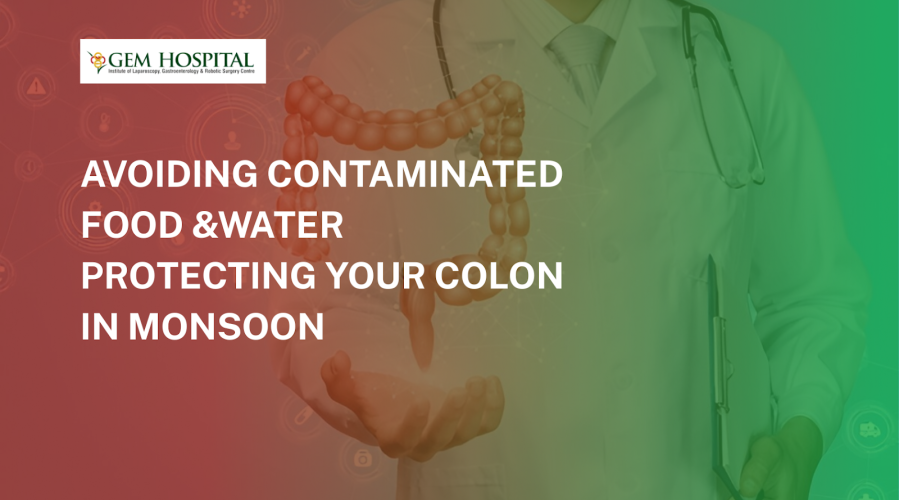
While there is some reprieve from the heat thanks to monsoon rains, the increased number of viral, bacterial, and parasitic infections associated with monsoon season occurs predominantly due to digestive issues. The colon is the most affected part of the gastrointestinal tract during this rainy season, which typically has an increased amount of viral, bacterial, and parasitic infections due to a sudden influx of microorganisms into our environment. Contaminated food sources, drinking water that contains microorganisms, improper food storage practices, and an increase in the humidity levels in our environment contribute to the overwhelming number of cases of gastrointestinal irritation caused by all of the above.
With regards to gastrointestinal (GI) health and food safety during the monsoon season, people must take measures to harden their systems against the increased risk of infection caused by these environmental changes by learning about good GI health habits, and by using methods that help them reduce the risk of acquiring a colon infection.
The main reason the colon has become so vulnerable during the monsoon season is that heavy rainfall creates the ideal environment for the proliferation of microbial life. Contaminated water from leads, faucets, or other sources may find its way into our food supply when it is washed from our streets. The exposure of street foods to rainwater will lead to the introduction of a higher number of microorganisms on those foods than usual, and many vegetables that we purchase for consumption may contain more pathogens than normal.
Below is a list of some common colon-related illnesses that arise during the monsoon season:
- Colitis (Colon infection due to inflammation of the colon)
- Bacterial infections caused by E.coli, Salmonella, or Shigella.
- Parasitic infections due to Amoebic Dysentery and Giardia.
- DIARRHEA & Dysentery (Fever, Vomiting, Abdominal pain)
- Exacerbation of IBS (Irritable Bowel Syndrome) or pre-existing digestive issues.
In many situations, the beginning steps of the threats listed above often happen due to a food product that has been contaminated or an unsafe drinking water supply. Therefore, PREVENTION will be the simplest and most effective method to avoid acquiring a colon infection during the monsoon season.
Water contamination is at its highest levels during the monsoon season, and municipal water supplies are often not safe enough for human consumption.
The following are some safety suggestions for drinking water:
- Boil all water for 10 minutes before drinking.
- Use only properly purified water from a Reverse Osmosis (RO) Purified Water System.
- Do not use ice made from contaminated/safety water sources.
- Only accept either hot beverages or sealed bottled water when eating away from home.
- Do not allow anyone else to store your drinking water; store your own drinkable water in a clean sealed container.This single most effective method is essential for preserving the food safety of foods produced in monsoon and preserving your colon health.
- Avoid Raw Street Foods (dug, golgappa, fatray, salad, juice from street vendors). Although street foods are tempting to eat during the monsoon season, they are also among the most dangerous types of food to consume during this time.

There are several factors that play a role in the contamination of street foods, such as exposure to airborne contaminants, including dirt and flies and rainwater, which can carry bacteria; cutting vegetables and fruits into smaller pieces means that they can be stored on the street for longer periods of time; there may also be an increased risk of contaminated water being used to make chutneys and juices.
Street Foods: Street foods are particularly dangerous in the monsoon season because they can introduce bacteria directly into your intestines, which may cause you to develop intestinal infections. Eating cooked food significantly reduces the risk of developing an intestinal infection during the monsoon season.
The following guidelines help to ensure that the food you consume during the monsoon season is safe to eat:
Try not to reheat food multiple times during the monsoon; Peek into your refrigerator and throw away any leftover food that is more than 8-10 hours old; choose hot food over cold food during monsoon; keep cooked food in your refrigerator until you are ready to reheat it; and eat as fresh and hot as possible to reduce the risk of contaminated food affecting your health.
Although it is always good practice to wash fruits and vegetables thoroughly before eating them, this is especially important during the monsoon season because vegetables harvested during the monsoon season have a much higher risk of being contaminated with mud, bacteria, and larvae, so washing vegetables thoroughly will help reduce your chances of contracting an illness caused by eating contaminated fruits or vegetables. To best wash vegetables, wash under running water, soak green leafy vegetables in salt or vinegar water to kill harmful bacteria, peel fruits (such as apples, pears, and cucumbers) as often as you can before eating them, and never eat raw leafy salad while the weather is rainy.
Milk products and milk can spoil quickly if not handled properly during the monsoon months.Avoid consuming the following products:
- Raw Milk
- Sweets made from Milk purchased from Unknown Vendors
- Street-side Buttermilk, Paneer and Curd
You should always buy packaged, pasteurised and well refrigerated milk products.
Be Cautious When Eating Seafood During The Monsoon
Monsoon tends to bring fish to spawn which can lead to the potential for bacteria to grow on the fish during the period of spawning. The water quality will also vary greatly making seafood more susceptible to contamination.
Precautions:
- Do not consume raw or semi-cooked seafood at all.
- Buy only seafood from reputable retailers that sell clean and safe products.
- Be sure that fish and prawns are cooked fully until they are firm.
- If possible, avoid eating seafood during peak times of flooding and switch to vegetarian sources of protein, e.g., dal, paneer, or eggs.
Keep Your Kitchen Clean
If you keep your kitchen clean and dry it will be less prone to developing bacteria.
Recommendations For A Safe Kitchen:
- Do not allow water or moisture to build up on your kitchen shelves and countertops.
- After you use a chopping board or knife, you should wash it to reduce the growth of bacteria.
- Clean out your refrigerator on a weekly basis to prevent the growth of mould and fungus.
- Keep your grains and spices sealed in airtight containers.
- Keeping a clean kitchen is important to maintaining good colon health and ensuring your food remains free from bacteria.
Strengthen Your Gut Naturally 8. A strong gut will help prevent infections.
Include the following:
- Drinking warm water throughout the day.
- Consuming foods rich in probiotics, such as curd and buttermilk (only purchased from reputable sources).
- Use turmeric, ginger, and pepper in your foods.
- Incorporating plenty of fibre into your diet from oats, vegetables, and fruits.
- Eating small meals frequently will improve your digestion of food.
These tips will give you the best opportunity to have normal bowel functions and protect your colon.
Recognizing Signs of Colon Disease
Not all digestive complaints are caused by infections. Some can indicate deeper problems with the colon.
Consult your doctor when you notice:
- Blood and/or mucus in your stools.
- Severe cramps in your abdomen.
- Have had continual diarrhoea for more than two days.
- Have a high fever accompanied by dehydration (only if accompanied by other signs).
- Have sudden weight loss without explanation.
- Have had repeated feelings of being uncomfortable after eating.
Being diagnosed early will help prevent complications and allow for a quick and effective recovery.
The season of Monsoon is a wonderful season, but it is important to pay extra attention to what you eat and drink. By taking some simple precautions drinking purified water, avoiding street vendors, eating fresh and nutritious meals, and keeping your kitchen clean you will be able to maintain your colon's health and remain healthy, energetic, and free of digestive problems during the Monsoon months.
If you are continuing to experience any type of digestive problem or seek expert advice for healthy colon health, you can schedule a consultation at GEM Hospital. The specialists there will provide comprehensive assessments, diagnoses, and advanced treatment for all colon-related conditions.
Remember, your health is in your hands! Take care during the Monsoon season!
Blogs & Article
Looking for advanced liver treatment in Coimbatore? Get expert care for liver diseases with modern technology, experienced specialists, and personalized treatment plans to ensure better liver health and faster recovery.
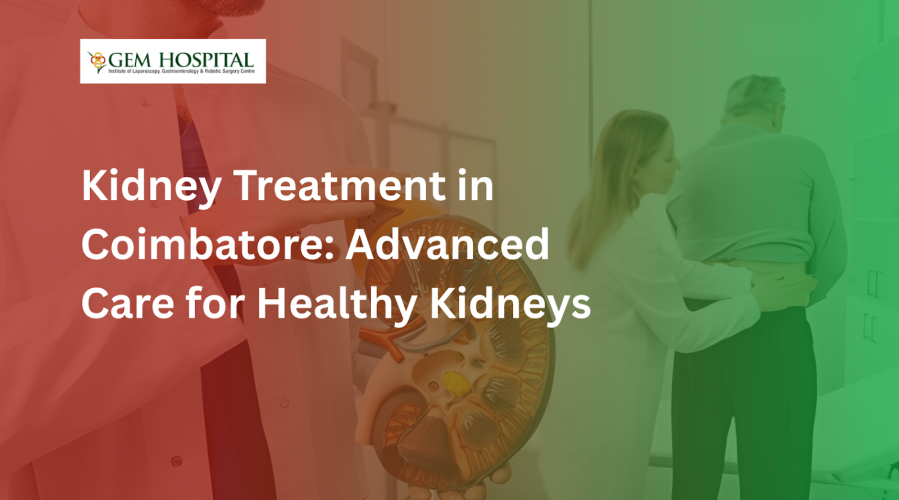
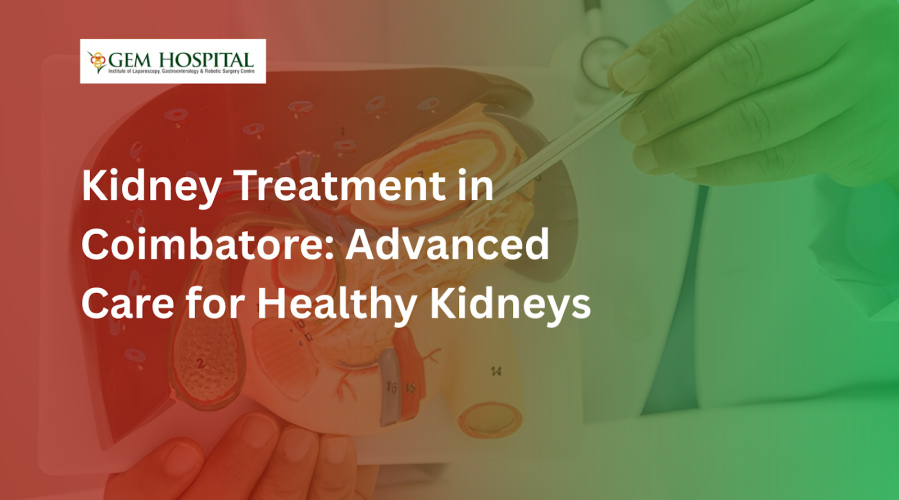
Get advanced kidney treatment in Coimbatore with expert care and modern technology. Learn about symptoms, treatment options, and personalized care to maintain healthy kidneys. Book your consultation today.