Looking for liver transplant in Chennai? Learn how to choose an experienced liver transplant surgeon based on expertise, transplant team, technology and care.
Anal Fissure: Causes, Symptoms, and Effective Treatment Options
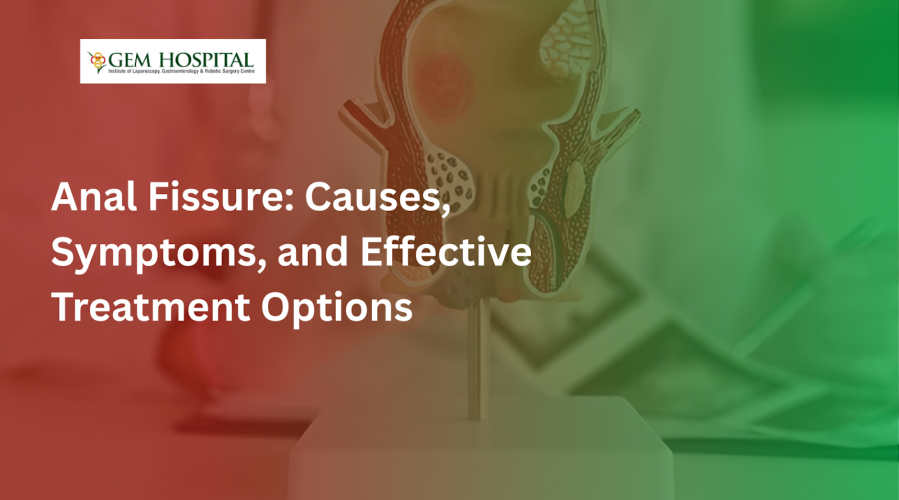
An anal fissure is a small tear or cut in the lining of the anal canal that can cause sharp pain and bleeding during or after bowel movements. Though it may sound minor, an anal fissure can significantly affect daily life due to discomfort, pain, and fear of using the toilet. The good news is that with timely diagnosis and proper anal fissure treatment, most patients can recover completely and avoid complications.
What Is an Anal Fissure?
An anal fissure usually develops when the anal lining is stretched beyond its capacity. This stretching damages the sensitive tissue, leading to a tear. Anal fissures are commonly seen in adults but can also affect infants and children. Depending on the duration, fissures are classified as:
- Acute anal fissure – lasts less than 6 weeks
- Chronic anal fissure – persists for more than 6 weeks and may be deeper, often associated with muscle spasm
Understanding the causes and early symptoms is crucial for choosing the right anal fissure treatment.

Causes of Anal Fissure
Several factors can contribute to the development of an anal fissure. Common causes include:
- Passing hard or large stools
- Chronic constipation or diarrhea
- Straining during bowel movements
- Low-fiber diet and dehydration
- Prolonged sitting or sedentary lifestyle
- Childbirth and pregnancy
- Anal infections or inflammation
- Increased pressure in the anal muscles
When the internal anal sphincter muscle tightens excessively, it reduces blood flow to the area, delaying healing and worsening the fissure.
Symptoms of Anal Fissure
The symptoms of an anal fissure are often noticeable and uncomfortable. They include:
- Sharp, burning pain during bowel movements
- Pain that may last for hours after passing stools
- Bright red blood on toilet paper or stools
- Itching or irritation around the anus
- A visible crack or tear near the anal opening
- Muscle spasms in the anal area
If these symptoms persist, seeking medical care is essential to prevent the fissure from becoming chronic.
Diagnosis of Anal Fissure
Doctors can usually diagnose an anal fissure through a physical examination and review of symptoms. In some cases, additional tests like anoscopy or sigmoidoscopy may be recommended to rule out underlying conditions such as inflammatory bowel disease or infections.
Early diagnosis allows for conservative anal fissure treatment, reducing the need for surgical intervention.
Effective Anal Fissure Treatment Options
The goal of anal fissure treatment is to relieve pain, promote healing, and prevent recurrence. Treatment depends on whether the fissure is acute or chronic.
1. Conservative (Non-Surgical) Treatment
Most acute anal fissures heal with non-surgical treatment, including:
- High-fiber diet to soften stools
- Increased water intake
- Stool softeners or mild laxatives
- Warm sitz baths to relax anal muscles
- Topical ointments to reduce pain and improve blood flow
- Pain-relieving medications as prescribed
These measures reduce strain during bowel movements and help the fissure heal naturally.
2. Medical Treatment for Chronic Anal Fissure
When fissures do not heal with basic care, advanced medical treatments may be required:
- Prescription topical medications to relax anal muscles
- Botox injections to reduce muscle spasm
- Targeted therapy to improve blood circulation
These options are effective in many patients and help avoid surgery.
3. Surgical Treatment Options
If conservative and medical treatments fail, surgery may be recommended. Modern surgical techniques are safe and highly effective:
- Lateral internal sphincterotomy – relaxes the anal muscle to promote healing
- Minimally invasive procedures – reduce pain and recovery time
Surgical anal fissure treatment has a high success rate and offers long-term relief when performed by experienced specialists.
Preventing Anal Fissure Recurrence
Even after successful treatment, prevention is important. Simple lifestyle changes can significantly reduce recurrence:
- Maintain a fiber-rich diet
- Drink plenty of fluids
- Avoid straining during bowel movements
- Exercise regularly
- Respond promptly to constipation or diarrhea
Following these habits supports long-term anal health.
An anal fissure may start as a small tear, but without proper care, it can become a painful and persistent condition. Early diagnosis and the right anal fissure treatment can provide quick relief, prevent complications, and restore comfort in daily life. Whether managed through lifestyle changes, medications, or advanced procedures, effective treatment is available.
At GEM Hospital, expert colorectal specialists provide comprehensive and advanced anal fissure treatment using evidence-based and patient-friendly approaches. If you are experiencing persistent pain, bleeding, or discomfort, do not ignore the symptoms.
Book an appointment at GEM Hospital today and take the first step toward safe, effective, and long-lasting relief.
Book a consultation with GEM Hospital’s today.