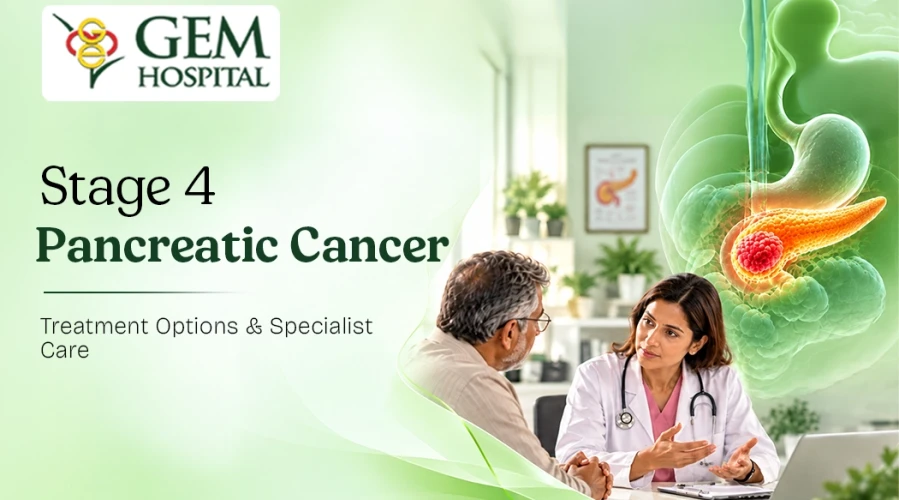
Explore stage 4 pancreatic cancer treatment options, including chemotherapy, targeted therapy, symptom relief and the role of surgery in Chennai.
Advanced Surgical Care for Upper GI Disorders
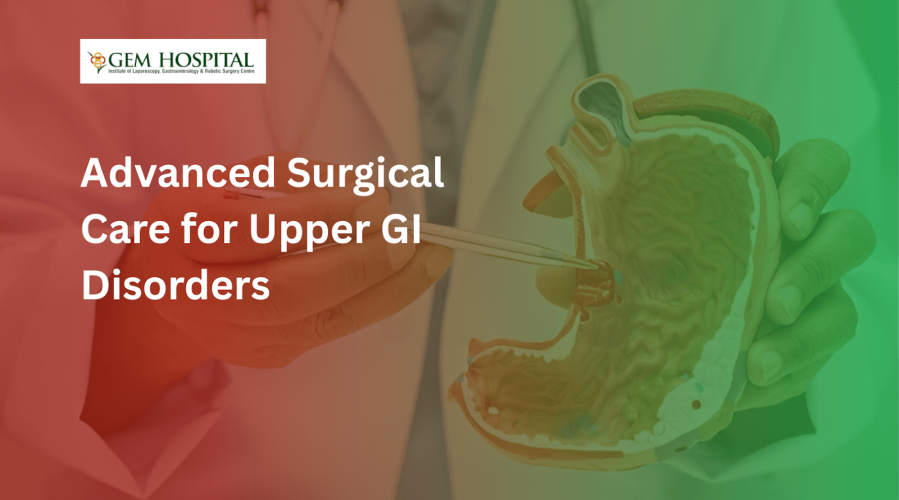
Upper gastrointestinal (GI) disorders affect the organs involved in digestion, including the esophagus, stomach, and the first part of the small intestine (duodenum). These conditions can significantly impact a person’s quality of life, causing persistent pain, difficulty in eating, acid reflux, bleeding, or even life-threatening complications if left untreated. With advancements in medical technology, Upper GI surgery has evolved to offer safer, minimally invasive, and highly effective treatment options for a wide range of upper GI conditions.
Understanding Upper GI Disorders
Upper GI disorders refer to diseases that affect the upper part of the digestive system. Some of the most common conditions include gastroesophageal reflux disease (GERD), hiatal hernia, peptic ulcers, gastric outlet obstruction, stomach tumors, and esophageal disorders. While many of these conditions can initially be managed with medication and lifestyle changes, surgery becomes necessary when symptoms persist or complications arise.
Timely diagnosis and advanced surgical care play a crucial role in preventing long-term damage and improving patient outcomes.
When Is Upper GI Surgery Required?
Upper GI surgery is recommended when non-surgical treatments fail or when the condition is severe. Surgery may be required in cases such as recurrent acid reflux not responding to medication, complications of ulcers like bleeding or perforation, benign or malignant tumors of the stomach or esophagus, and structural abnormalities that interfere with normal digestion.
Surgical intervention is also essential for conditions that pose immediate risks, such as internal bleeding, obstruction, or suspected cancer. Early surgical management often leads to faster recovery and better long-term results.
Advanced Techniques in Upper GI Surgery
Modern Upper GI surgery has moved far beyond traditional open procedures. Today, surgeons use advanced techniques that reduce pain, shorten hospital stays, and promote quicker healing.
Laparoscopic surgery is one of the most commonly used approaches, involving small incisions and the use of a camera to guide precise surgical movements. This technique is widely used for procedures such as fundoplication for GERD, hiatal hernia repair, and gastric surgeries.
Robotic-assisted surgery is another major advancement, offering enhanced precision, flexibility, and control. This is especially beneficial in complex upper GI procedures where accuracy is critical. Endoscopic interventions also play a key role, allowing certain conditions to be treated without external incisions.
Benefits of Advanced Surgical Care
Choosing advanced Upper GI surgery offers several advantages for patients. Minimally invasive techniques result in less postoperative pain, reduced blood loss, and minimal scarring. Patients experience shorter hospital stays and faster return to normal activities.
Advanced surgical care also improves accuracy, which is particularly important in cancer-related surgeries or complex anatomical corrections. With better visualization and precision, surgeons can preserve healthy tissue while effectively treating the diseased area.
Conditions Treated with Upper GI Surgery

Upper GI surgery is used to treat a wide range of disorders. These include severe GERD requiring anti-reflux surgery, peptic ulcer disease with complications, gastric and esophageal tumors, achalasia, hiatal hernia, and upper GI bleeding conditions.
In cancer cases, surgery may involve partial or complete removal of affected organs, often combined with chemotherapy or radiation therapy. Advanced surgical planning ensures optimal outcomes while maintaining digestive function as much as possible.
Importance of Early Diagnosis and Expert Care
Early diagnosis is key to successful Upper GI surgery outcomes. Symptoms such as persistent heartburn, difficulty swallowing, unexplained weight loss, abdominal pain, vomiting, or black stools should never be ignored. Advanced diagnostic tools like endoscopy, imaging studies, and biopsies help identify the condition accurately and guide treatment decisions.
Choosing an experienced surgical team with expertise in upper GI disorders ensures comprehensive care, from diagnosis to surgery and postoperative recovery. A multidisciplinary approach involving surgeons, gastroenterologists, anesthetists, and nutrition specialists provides holistic treatment tailored to each patient.
Post-Surgical Recovery and Care
Recovery after Upper GI surgery depends on the type of procedure performed. Minimally invasive surgeries typically allow patients to resume normal activities within a short period. Postoperative care includes pain management, dietary guidance, and regular follow-ups to monitor healing.
Patients are advised to follow a structured diet plan initially, gradually transitioning to normal foods. Lifestyle modifications, such as maintaining a healthy weight and avoiding triggers like smoking or excessive alcohol, further support long-term success.
Advanced Upper GI surgery has transformed the treatment of upper gastrointestinal disorders, offering patients safer procedures, faster recovery, and improved quality of life. With the availability of minimally invasive and robotic techniques, even complex conditions can be managed effectively with excellent outcomes.
For expert diagnosis and advanced surgical care, GEM Hospital provides comprehensive treatment for upper GI disorders with a team of experienced specialists and state-of-the-art facilities. If you or your loved one is experiencing symptoms related to upper GI conditions, book an appointment at GEM Hospital today to receive timely, expert care and regain digestive health.
Book a consultation with GEM Hospital’s today.