Looking for liver transplant in Chennai? Learn how to choose an experienced liver transplant surgeon based on expertise, transplant team, technology and care.
Monsoon Infections and Liver Damage: When You May Need a Liver Transplant
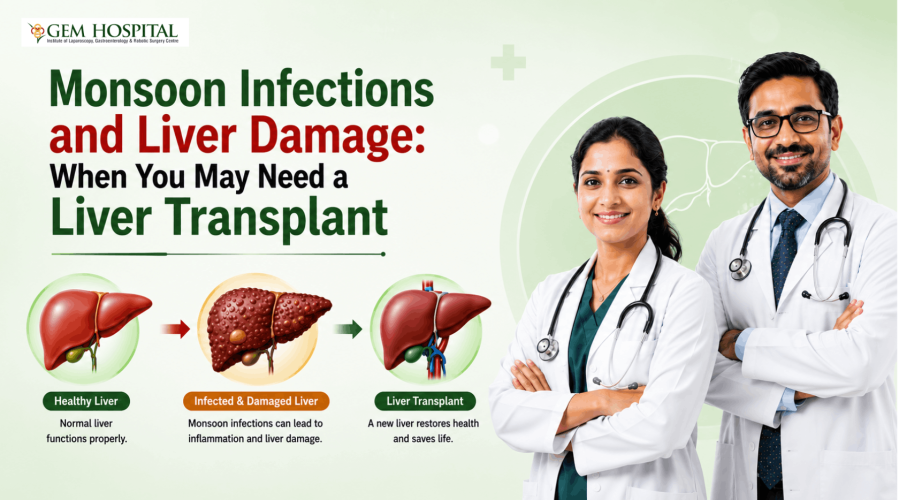
Chennai's monsoon brings welcome relief cooler temperatures, green surroundings, the smell of rain on hot asphalt. But it also brings something the city prepares far less for: a sharp seasonal rise in serious infections. And some of those infections don't just make you sick for a week. They go straight for your liver.
For most people, a monsoon infection means a few bad days followed by recovery. But for others particularly those with pre-existing liver conditions, or those who seek help too late the damage can be severe enough that liver transplant in Chennai monsoon care becomes not a distant possibility, but an urgent necessity.
Understanding how monsoon infections affect the liver, and knowing when to take symptoms seriously, can quite literally save a life.
How Monsoon Creates the Perfect Storm for Liver Infections
The liver filters everything your body takes in. Every meal, every sip of water, every breath of air it all gets processed by the liver before anything else. During monsoon, the quality and safety of what enters your body drops significantly.
Contaminated water is the single biggest threat. Waterlogging causes sewage to mix with surface water sources across Chennai. Street food prepared using this water, vegetables washed under tap water that's been compromised, raw fruits handled by unwashed hands all of these become direct routes of infection to the liver.
Hepatitis A and hepatitis E both waterborne viral infections directly attack liver cells. In healthy individuals, the liver usually mounts a defence and recovers over several weeks with rest and care. But in patients with pre-existing liver disease, diabetes, or a weakened immune system, these same infections can trigger acute liver failure a condition where the liver rapidly loses its ability to function.
That is the scenario where liver transplant in Chennai monsoon care moves from a medical consideration to a time-sensitive intervention.
Other Monsoon Infections That Put the Liver at Risk
Hepatitis isn't the only threat during the rainy season:
- Leptospirosis a bacterial infection contracted through contact with floodwater contaminated by animal urine. Common in waterlogged areas of Chennai. In moderate to severe cases, it causes jaundice and significant liver inflammation
- Typhoid a bacterial infection from contaminated food and water. In untreated or severe cases, it can affect multiple organs, including the liver
- Dengue fever while most known for its effect on platelet counts, severe dengue can cause liver inflammation and elevated liver enzymes that take weeks to normalise
- Malaria particularly the falciparum strain, which can cause jaundice and liver stress in serious cases
Each of these deserves prompt attention. In someone with healthy liver function, most can be managed. In someone with existing liver disease, any one of them can tip the balance into crisis.

Symptoms That Suggest Your Liver Is Involved
Beyond the typical monsoon fever and body aches, these symptoms specifically suggest liver involvement:
- Yellowing of the skin or whites of the eyes jaundice
- Urine that looks dark brown or tea-coloured
- Stools that are pale, clay-coloured, or greyish
- Pain or tenderness under the right ribcage
- Severe, unexplained fatigue far beyond what a regular fever causes
- Swelling or bloating in the abdomen
- Confusion, drowsiness, or difficulty thinking clearly in severe cases, these indicate liver failure
That last group of symptoms confusion alongside jaundice and fever is a medical emergency. Do not wait for a morning appointment. Go to the hospital the same evening.
Who Faces the Highest Risk This Monsoon
Not everyone who contracts a monsoon infection will develop liver complications. But these groups carry significantly elevated risk:
- People with diagnosed liver disease cirrhosis, fatty liver, chronic hepatitis B or C
- Individuals with diabetes or obesity
- Regular alcohol consumers
- Those on long-term medications processed by the liver
- Pregnant women hepatitis E in particular can be severe and rapidly progressive during pregnancy
- The elderly and very young children
If you or someone in your family falls into any of these categories, a monsoon infection that looks ordinary from the outside deserves serious, immediate attention.
When Liver Transplant Becomes the Necessary Path
Liver transplant in Chennai monsoon care is most urgently needed in acute liver failure where the liver loses function rapidly, sometimes within days of a severe infection hitting a vulnerable organ.
Signs that indicate acute liver failure include:
- Rapidly deepening jaundice that doesn't respond to treatment
- Uncontrolled bleeding or easy bruising the liver is no longer producing clotting factors
- Increasing confusion, disorientation, or loss of consciousness hepatic encephalopathy
- Pronounced abdominal swelling from fluid accumulation ascites
- Rapid deterioration despite hospital-level medical management
In patients with chronic liver disease, a monsoon infection can push a compensated liver into decompensation meaning the organ can no longer hold up even with medication support. This is another scenario where transplant evaluation becomes genuinely urgent.
A liver transplant replaces the failing organ with a healthy donor liver. At experienced transplant centres in Chennai, the procedure is performed by specialised teams with strong outcomes particularly when the decision is made in time.
Timing, in liver transplant situations, is everything.
Protecting Your Liver Through Monsoon
- Drink only boiled or properly purified water throughout the rainy months
- Avoid raw food, street food, and anything prepared with uncertain water sources
- Wash all vegetables and fruits thoroughly even those you peel
- Get vaccinated against hepatitis A if you haven't already it's safe, effective, and widely available
- Avoid wading through floodwater if at all possible leptospirosis spreads this way
- If you have known liver disease, do not miss your scheduled appointments or medication during monsoon
- Limit or eliminate alcohol entirely during the rainy season the liver is already under pressure
- Seek medical attention early for any combination of fever, jaundice, and abdominal discomfort
Monsoon infections are seasonal and common but their impact on the liver can be anything but ordinary. For people with underlying liver conditions, or for anyone who delays treatment while symptoms quietly worsen, what begins as a rainy-season illness can escalate into a liver crisis requiring urgent intervention.
Liver transplant in Chennai monsoon care is a reality that some patients face and early recognition of warning signs is what separates timely treatment from emergency intervention.
Don't dismiss jaundice, deep fatigue, or abdominal swelling during the rains. For expert liver care from managing monsoon-related hepatitis to complex transplant cases you can visit GEM Hospitals in Chennai, where a dedicated hepatology and transplant team provides the specialised care that liver patients need, especially during the most demanding season of the year.
Book a consultation with GEM Hospital’s today.