 Call Now
Inguinal Hernia
This is the most common type it appears in the groin area and is far more frequent in men. You'll often feel or see a bulge on one side of the groin, and it may cause a dull ache that gets worse by the end of the day.
Take the first step toward healthier vision. Book a Hernia specialist consultation today.
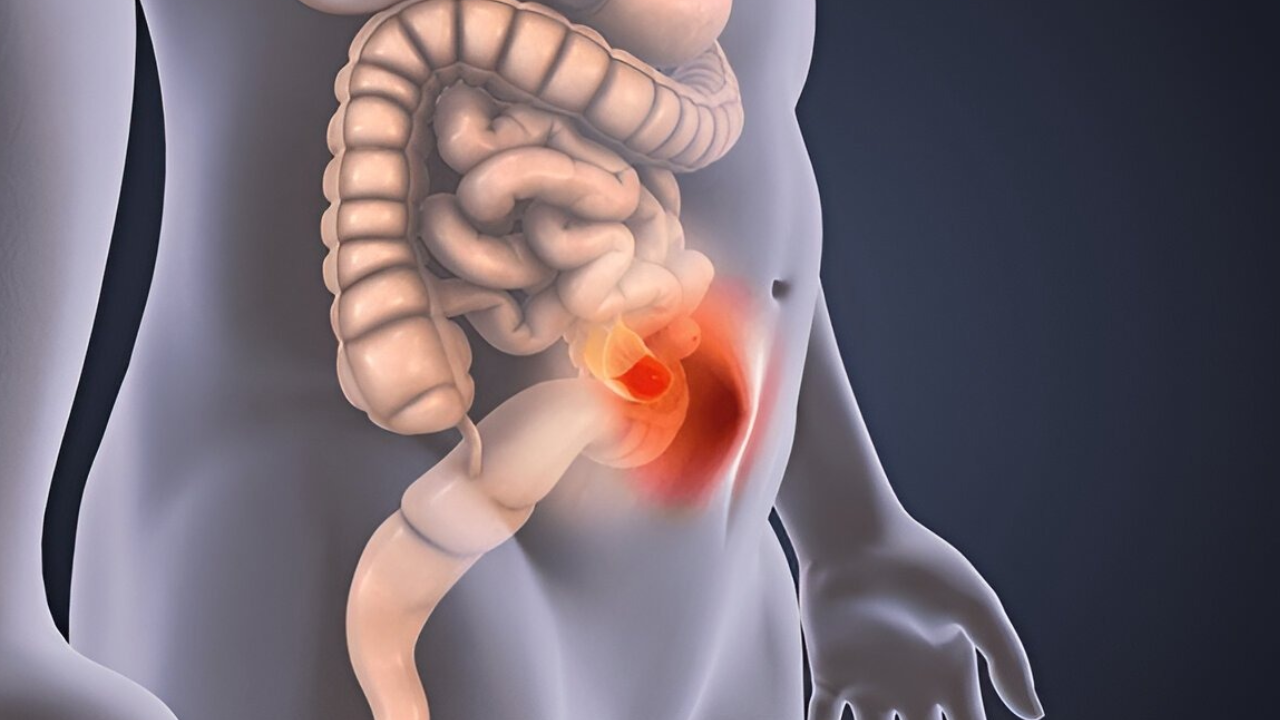
GEM Hospital provides advanced hernia treatment services focused on patient safety, faster recovery, and long-term outcomes. Our experienced medical team delivers personalized care using proven treatment approaches.
Trusted Expertise
Precise Diagnostics
Advanced Treatments
Quality Care
24/7 Assistance
Noticing a bulge near your stomach or groin that wasn't there before? Maybe it showed up after a heavy lift, a bout of coughing, or just gradually over time. It could be a hernia and if it is, you're in the right place.
At GEM Hospital, we have helped hundreds of patients with hernia treatment in Chennai, from the first "what is this?" moment to walking out after a smooth recovery. We know it can be unsettling when your body doesn't feel right. One of our jobs is to ensure you are aware of what is happening, what options you have and what is to come in the process.
Think of your abdominal wall as a box that protects. When there's a weak spot in that wall, the tissue or organ inside can start to push through it creating that characteristic bulge you might have noticed.
It tends to get more noticeable when you cough, sneeze, lift something, or stand for long periods. When you lie down, it may even disappear temporarily which is actually one of the tell-tale signs.
One thing worth knowing early: hernias don't go away on their own. They may start small and cause minimal discomfort, but over time, they almost always grow and the symptoms worsen. Getting it assessed sooner rather than later is almost always the better call.

This is the most common type it appears in the groin area and is far more frequent in men. You'll often feel or see a bulge on one side of the groin, and it may cause a dull ache that gets worse by the end of the day.

If you've had abdominal surgery in the past, the scar tissue left behind can become a weak point. An incisional hernia pushes through that old surgical site and is something we take particular care to repair properly the second time around.
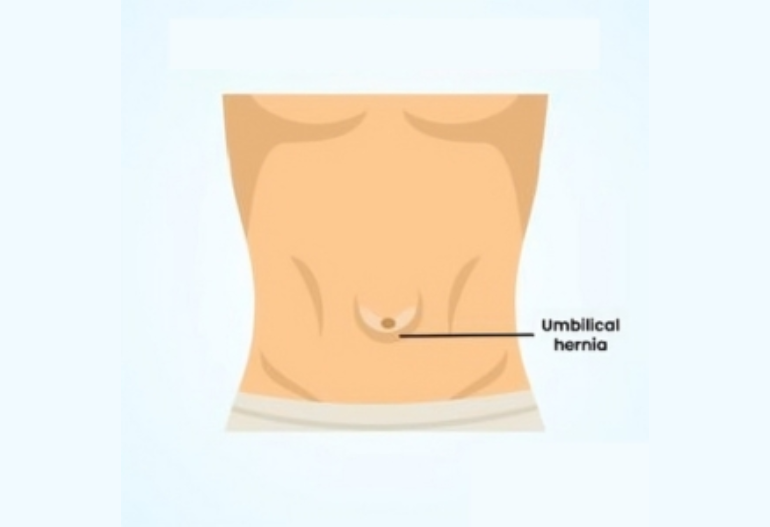
This one develops around the belly button. It's quite common in newborns, but adults particularly those who've had multiple pregnancies or significant weight gain can develop it too.

This is a bit different from the rest. Here, part of the stomach slides up through the diaphragm into the chest cavity. It often doesn't cause a visible bulge but can lead to acid reflux, chest discomfort, and difficulty swallowing.
Symptoms of a hernia can vary from almost nothing to very painful. If you are planning for Hernia treatment in Chennai, knowing these signs in the early stages can make a big difference. Some of the more common ones include:
A soft lump or swelling that may disappear when you press on it or lie down
Dull ache or pressure in the area especially after exercise
Pain when coughing, straining or lifting heavy objects
Dragging feeling in groin at the end of the day
When to go to the ER: If the bulge suddenly becomes hard, can't be pushed back in, or if you're experiencing severe pain, vomiting, or the skin around it turns red don't wait. This could be a strangulated hernia, where the blood supply to the trapped tissue has been cut off. That requires urgent treatment.
No two hernias are exactly alike, and neither are our patients. Before recommending anything, we take the time to properly understand your situation.
Non-Surgical Therapy
Sometimes especially if a hernia is very small and not causing any real discomfort, and you have other health issues that make surgery riskier we might suggest a watch-and-wait approach. This includes watching the hernia over time and making some lifestyle changes to prevent it from getting worse. It's not a cure but it's a reasonable course for the right patient.
Surgical Repair The Last Resort
Most hernias require surgery as the only real solution. At GEM Hospital we have two basic approaches:
Hernia Repair, Open The surgeon cuts directly over the hernia, pushes the protruding tissue gently back into place and reinforces the muscle wall, often with surgical mesh. This is a well-established technique with excellent long-term outcomes, and for certain hernia types, it remains the preferred approach.
Laparoscopic (Keyhole) Repair Instead of one larger incision, the surgeon works through two or three tiny cuts using a camera and specialized instruments. The repair itself is the same – but because the incisions are so small, patients typically experience significantly less pain afterwards, a lower risk of wound complications, and a much faster return to normal life. Most patients are home the same day or the following morning.
Robotic-Assisted Repair For complex or recurring hernias, robotic surgery gives the surgeon an even higher level of precision and control. It's particularly useful in difficult anatomical locations or revision cases.
In most surgical repairs, a mesh is placed to reinforce the weakened area. This dramatically reduces the chance of the hernia coming back, which is one of the most common concerns patients have.
We hear this question a lot, and we think the answer comes down to a few things that genuinely matter to patients:
Surgeons Who Know Hernias Well Our surgical team has extensive experience specifically in hernia repair, not just general surgery. That depth of experience matters when it comes to getting the repair right the first time.
Honest Conversations We don't believe in rushing through consultations. If you have questions about the procedure, the recovery, the risks, what to tell your employer – we'll take the time to answer them properly.
Minimally Invasive First, Where Possible We lean toward laparoscopic and robotic approaches whenever they're appropriate, because we've seen how much faster and more comfortably patients recover. That said, we always recommend what's right for your specific situation, not just what's technically impressive.
Care That Doesn't End at Discharge Recovery is a real process, and we take it seriously. You'll get clear instructions about what to do at home, planned follow-ups, and direct access to our team if anything worries you.
After laparoscopic hernia repair, most patients are surprised by how manageable the recovery is. Here's a realistic picture:
Day 1–2: Some soreness around the incision sites, but most patients are moving around at home comfortably
Week 1: Light activity is fine. Avoid lifting anything heavier than a kettle
Week 2–3: Gradual return to desk work and daily routines
Week 4–6: Most patients are back to full normal activity, including exercise
Open repair typically involves a slightly longer recovery around 4–6 weeks before returning to strenuous activity but outcomes are equally strong.
We'll give you a detailed, personalised recovery plan before you leave the hospital so you're never left guessing.
Book a consultation at GEM Hospital today. Our team in Chennai is on the ground, ready to listen, assess and help you move forward with confidence.