Looking for liver transplant in Chennai? Learn how to choose an experienced liver transplant surgeon based on expertise, transplant team, technology and care.
Women’s Liver Health: Unique Challenges, Risks, and Prevention
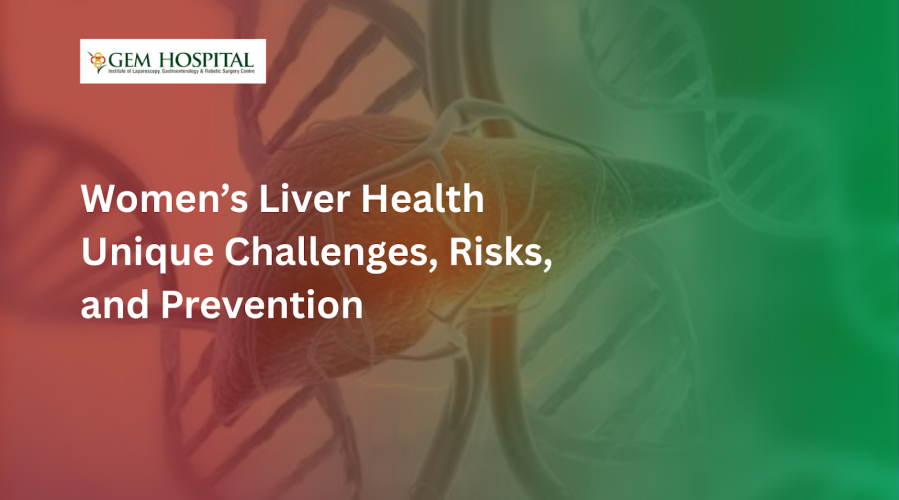
Women’s liver health plays a vital role in overall well-being and long-term quality of life. The liver is one of the most important organs in the human body, responsible for detoxifying harmful substances, supporting digestion, regulating metabolism, and maintaining hormonal balance.
While liver diseases affect both men and women, women face unique health challenges due to hormonal differences, metabolic variations, pregnancy-related changes, and lifestyle factors. Understanding these differences is essential for protecting and maintaining good liver function throughout life.
How Hormones Affect Women’s Liver Health
Female hormones such as estrogen and progesterone significantly influence liver activity. These hormones affect bile production, fat metabolism, and the processing of medications and alcohol.
Higher estrogen levels can increase liver inflammation and alter how substances are broken down. During pregnancy, menopause, and hormonal treatments, these effects become more pronounced, increasing the risk of liver-related complications. Proper monitoring is therefore essential for maintaining women’s liver health during different life stages.
Metabolic Differences in Women
Women process alcohol and medications differently from men due to several physiological factors.
Lower Body Water Content
Women generally have lower body water levels (about 52%) compared to men (61%). As a result, alcohol becomes more concentrated in the bloodstream, increasing liver toxicity.
Reduced Alcohol Breakdown Enzymes
The enzyme alcohol dehydrogenase, which breaks down alcohol, is lower in women. This allows more alcohol to reach the liver directly, causing greater damage.
Estrogen’s Role in Liver Inflammation
Estrogen increases the liver’s sensitivity to alcohol-related inflammation, making women more vulnerable to liver injury.
Higher Body Fat Percentage
Since alcohol dissolves in water and not fat, higher body fat in women causes alcohol to remain concentrated in the liver, increasing its harmful effects.
Important Fact About Alcohol and Women’s Liver Health
When men and women of the same body weight consume the same amount of alcohol, women usually have 30% higher blood alcohol levels.
Two drinks per day for a woman may cause the same liver damage as four drinks per day for a man. This highlights the importance of moderation in protecting women’s liver health.
Medication Sensitivity in Women
Women are more sensitive to drug-related liver damage. Painkillers, sleeping pills, hormonal medicines, and supplements are metabolized differently in female bodies.
Improper use or overdose can easily lead to liver injury. Therefore, medications should always be taken only under medical supervision to safeguard women’s liver health.
Liver Disorders During Pregnancy
Certain liver conditions occur specifically during pregnancy and can affect both mother and baby:
Intrahepatic Cholestasis of Pregnancy (ICP): Causes severe itching and affects bile flow
HELLP Syndrome: Involves liver dysfunction, low platelets, and blood breakdown
Acute Fatty Liver of Pregnancy (AFLP): A rare but life-threatening condition
Early diagnosis and timely treatment are critical for protecting women’s liver health during pregnancy.
Common Liver Diseases in Women
Autoimmune Liver Diseases
Women are more likely to develop autoimmune liver conditions where the immune system attacks liver cells. These include:
Autoimmune Hepatitis (AIH)
Primary Biliary Cholangitis (PBC)
If untreated, these can lead to cirrhosis and liver failure.
Non-Alcoholic Fatty Liver Disease (NAFLD)
After menopause, hormonal changes, obesity, and insulin resistance increase the risk of NAFLD. Women with PCOS are particularly vulnerable.
Alcoholic Liver Disease (ALD)
Due to metabolic differences, women develop alcohol-related liver disease faster, even with moderate drinking.
Viral Hepatitis (B and C)
Hormonal changes can influence disease progression. Hepatitis B can also pass from mother to child at birth.
Liver Tumors and Cancer
Benign Tumors
Hepatic hemangiomas are common non-cancerous liver tumors seen more often in women. Estrogen may promote their growth.
Liver Cancer
Hepatocellular carcinoma is more common in men, but women with chronic liver disease are also at risk.
Drug-Induced Liver Injury (DILI)
Women are more vulnerable to liver damage caused by:
Excessive paracetamol (acetaminophen)
Herbal supplements
Weight-loss products
Unregulated traditional medicines

These should be used cautiously and only with medical guidance.
Menopause and Women’s Liver Health
After menopause, estrogen levels decline, leading to increased fat accumulation in the liver and higher risk of NAFLD. Changes in cholesterol and blood sugar levels also affect women’s liver health.
Regular screening and lifestyle modifications are important during this stage.
Additional Risk Factors
Hormonal Contraceptives and Therapy
Long-term use of birth control pills and hormone replacement therapy may increase liver tumor and clotting risks.
Obesity and Metabolic Syndrome
Diabetes, PCOS, and insulin resistance increase fatty liver disease risk.
Alcohol Sensitivity
Lower enzyme levels make women more sensitive to alcohol-related liver injury.
Prevention and Lifestyle Tips for Women’s Liver Health
Women can protect their liver by following these preventive measures:
Regular Health Checkups
Women with risk factors should undergo routine liver function tests (LFTs).
Healthy Diet and Exercise
Balanced nutrition and regular physical activity help prevent fatty liver disease.
Limit Processed Foods
Reduce fried foods, sugary drinks, and trans fats.
Watch for Warning Signs
Fatigue, swelling, jaundice, and unexplained weight changes may indicate liver problems.
Avoid Excess Alcohol
Limiting or avoiding alcohol is essential for long-term liver protection.
Manage Hormonal Conditions
Proper treatment of PCOS and menopausal symptoms helps support women’s liver health.
Did You Know?
The liver performs over 500 essential functions.
70–80% of autoimmune liver disease patients are women.
Women develop liver damage 2–3 times faster than men from alcohol.
Liver enzymes fluctuate during menstrual cycles.
During pregnancy, the liver may increase in size by up to 50%.
Women’s liver health is deeply influenced by hormones, metabolism, lifestyle, and life stages such as pregnancy and menopause. With regular medical monitoring, healthy habits, and early intervention, many liver diseases can be prevented or effectively managed.
Paying attention to early symptoms and seeking timely medical care can help preserve liver function and improve quality of life.
Protect your liver today for a healthier tomorrow. Get expert care at GEM Hospital.
Book your appointment now and take the first step toward better liver health.
Book a consultation with GEM Hospital’s today.