Looking for liver transplant in Chennai? Learn how to choose an experienced liver transplant surgeon based on expertise, transplant team, technology and care.
How Do Doctors Treat Jaundice in Adults?
Adults with jaundice develop yellow discoloration of skin and eyes because their blood contains excessive bilirubin. The buildup of bilirubin in blood occurs due to liver problems and infections as well as blockages in bile ducts. The appearance of yellow skin or eyes requires you to visit a doctor for proper medical intervention. Jaundice treatment for adults focuses on diagnosing the root cause and providing the right medical care.
What Causes Jaundice in Adults?
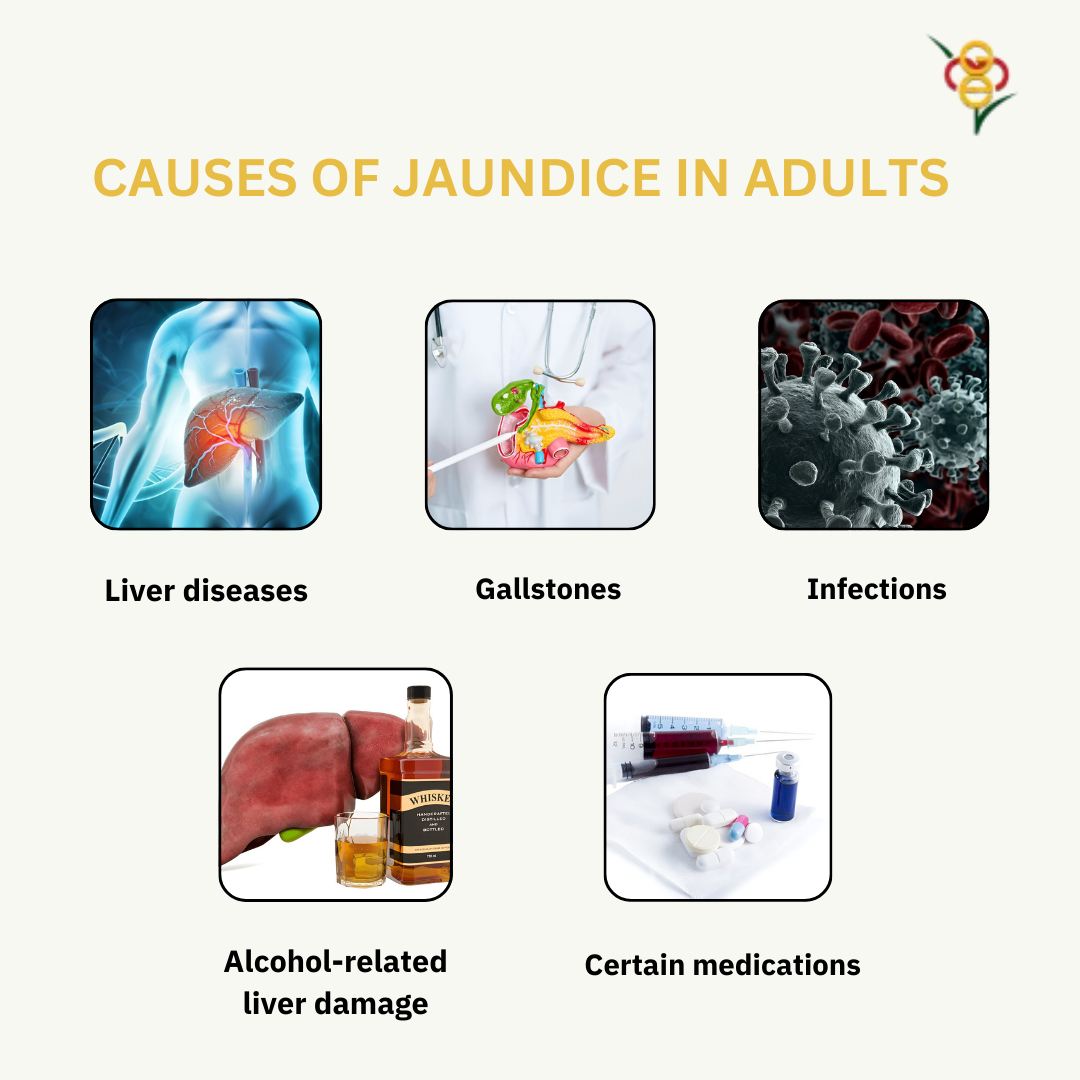
Jaundice typically develops because of hidden medical issues. Some common causes include:
- Liver diseases – Jaundice develops when hepatitis along with liver cirrhosis or fatty liver disease occurs.
- Gallstones – A bile duct blockage resulting from these conditions can cause jaundice to develop.
- Infections – The liver gets infected by viruses or bacteria which results in jaundice development.
- Alcohol-related liver damage – Drinking excessive amounts of alcohol throughout several years can result in liver damage.
- Certain medications – The use of particular medications can disrupt liver functionality which results in jaundice development.
Symptoms of Jaundice in Adults
Apart from yellow skin and eyes, jaundice can cause:
- Dark-coloured urine
- Pale-coloured stools
- Itchy skin
- Fatigue and weakness
- Stomach pain or swelling
- Nausea and vomiting
How Do Doctors Treat Jaundice?
Jaundice treatment for adults follows the specific cause of the condition. Doctors conduct tests to determine the origin of the problem before prescribing suitable treatment. The jaundice treatment follows several standard approaches which include:
Medication for Infections
- Doctors will prescribe antiviral and antibiotic medications to treat jaundice when hepatitis or other infections trigger its onset.
Lifestyle Changes for Liver Health
- The liver function requires a balanced diet while avoiding alcohol consumption.
- Water intake should be high to remove harmful substances from your body.
- You should minimize your consumption of fatty and oily foods so your liver does not sustain additional harm.
Treating Blockages in the Bile Duct
- Surgical or endoscopic procedures and operations may become necessary to treat blocked bile flow caused by gallstones or tumours. Jaundice treatment for adults with bile duct blockages may require medical intervention.
Liver Disease Management
- Doctors prescribe weight control together with healthy eating along with medications to treat fatty liver disease and cirrhosis.
Hospital Treatment for Severe Cases
- Medical staff will recommend hospital treatment for severe jaundice cases which includes intravenous administration of fluids and nutrients to help patients recover.
- A liver transplant will be necessary for treating complete liver failure but remains a rare occurrence.
When Should You See a Doctor?
Seek immediate medical attention if you notice yellow skin or eyes together with severe stomach pain, extreme fatigue or vomiting. The early administration of medical care helps to stop severe health complications from developing.
GEM Hospital delivers specialized medical services for jaundice and liver-related diseases. Schedule your appointment now to receive proper medical examination and proper treatment.
Book a consultation with GEM Hospital’s today.