









Understanding Your Rights as a Digestive Cancer Patient

A diagnosis of digestive cancer can feel overwhelming. In addition to medical treatments, however, it is also crucial for you to know your rights as a patient. Having an understanding of your rights leads all steps towards an informed decision making regarding your treatment, care, and who you are as an individual.
This blog will help your way knowing the essential rights of every digestive cancer patient.
1. Right to Informed Consent
You have the right to full information about any treatment before it is undertaken.
- The diagnosis and stage of your digestive cancer
- Available treatment options
- Possible risks and benefits of each treatment
- Expected outcomes and side effects
Doctors need to explain everything in terms you can understand. No matter what you’re doing, and no matter what decision you should make, you should still question it if you are unsure and you can always get a second opinion and take your time to make a decision.
2. Right to Quality Medical Care
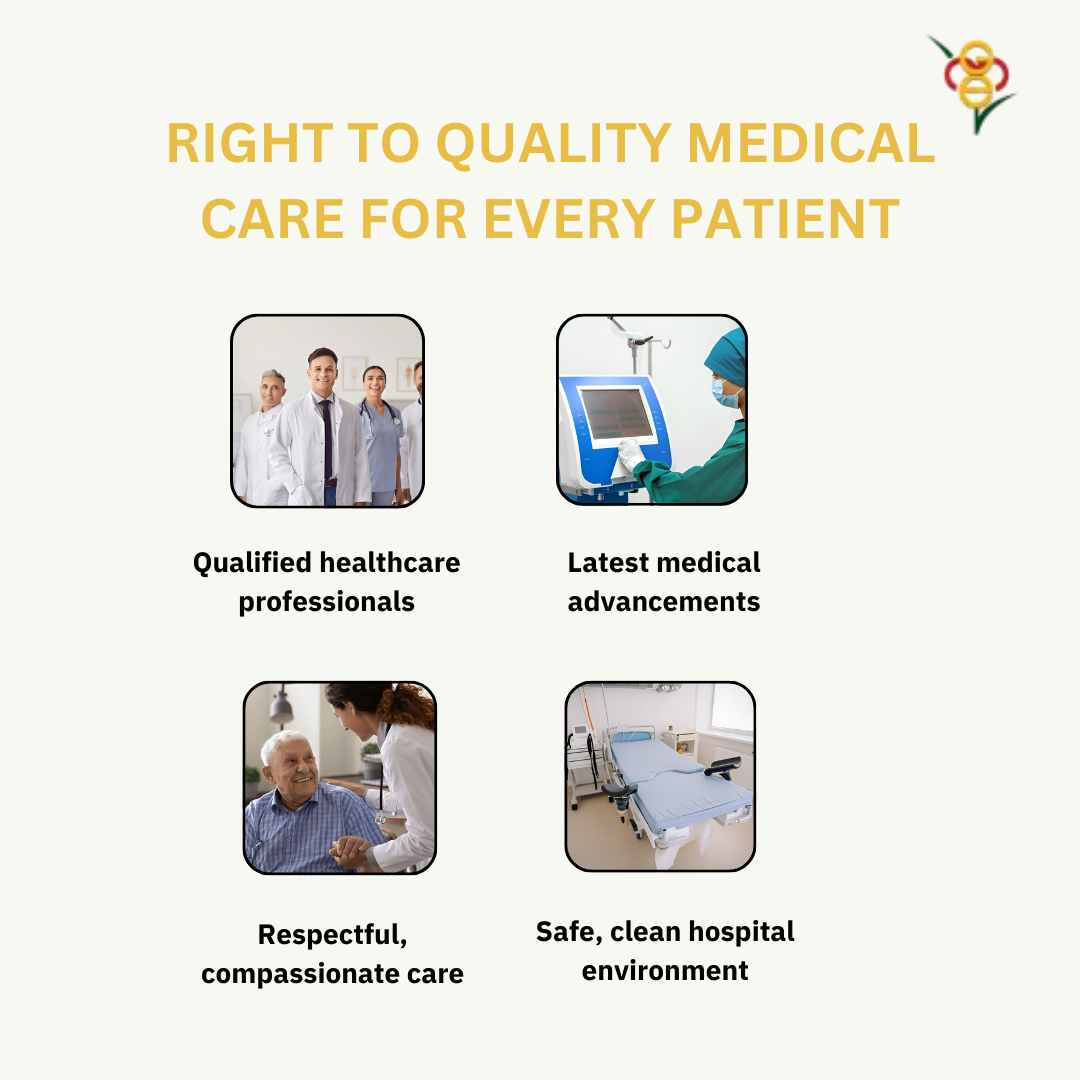
Every patient deserves the best possible care. This includes:
- Treatment from qualified healthcare professionals
- Access to the latest medical advancements
- Respectful and compassionate care from doctors and hospital staff
- A safe and clean hospital environment
If you find that you are being cared for in a way that does not follow proper guidelines, you can speak to a hospital authority, or you can seek treatment somewhere else.
3. Right to Privacy and Confidentiality
Your medical records and personal information are confidential. Hospitals and doctors have to keep your information secret. This means:
- No one can access your medical details without your permission.
- Your test results and treatment plans will be shared only with you and those you allow (such as family or caregivers).
If at any time you feel your privacy is being violated, you have the right to lodge a complaint with the relevant hospital authority.
4. Right to Make Your Own Decisions
You get to decide your treatment options. This means:
- You can accept or refuse any treatment after understanding its consequences.
- You can choose alternative therapies if they are safe and approved by your doctor.
- You can decide who will make medical decisions on your behalf if you become unable to do so.
Doctors can suggest treatments, but the ultimate decision is always yours.
5. Right to Support and Comfort
The treatment of digestive cancer can be physically and emotionally taxing. You have the right to:
- Receive emotional and psychological support from counselors or support groups.
- Ask for pain management and relief from treatment side effects.
- Get assistance with daily activities if needed.
Many hospitals and cancer care centers offer programs to help patients manage stress and discomfort.
6. Right to Financial Transparency
Cancer treatments can come with expensive price tags, so you have a right to:
- Know the cost of treatments, tests, and hospital stays in advance.
- Receive a detailed bill explaining the charges.
- Ask about insurance coverage and financial assistance programs.
A few hospitals have payment plans or support programs if you struggle with medical bills.
7. Right to a Second Opinion
You can get a second opinion from a different doctor or specialist if you are uncertain about your diagnosis or treatment plan. A second opinion can:
- Confirm your diagnosis.
- Provide alternative treatment options.
- Give you more confidence in your medical decisions.
Hospitals and insurance companies tend to encourage second opinions, so don’t be afraid to get one.
8. Right to Palliative and End-of-Life Care
If the cancer reaches an advanced stage, you have the right to:
- Receive pain management and palliative care to improve your comfort.
- Make decisions about life-support treatments.
- Choose home care or hospice services if needed.
These options help ensure dignity and comfort during difficult times.
Knowledge about your rights as a digestive cancer patient enable you to make informed decisions about your treatment and care. Whether it be what treatment plan you choose, what support you seek, what kind of benefits you choose or how you’ll manage medical costs, knowing your rights means making sure that you get the best care possible.
GEM Hospital is committed to helping our patients assert their rights in order to receive the best possible, empathetic care. If you or a loved one requires expert advice, please don’t delay in scheduling your appointment today.

