








How Long Does It Take to Recover After Piles Surgery?
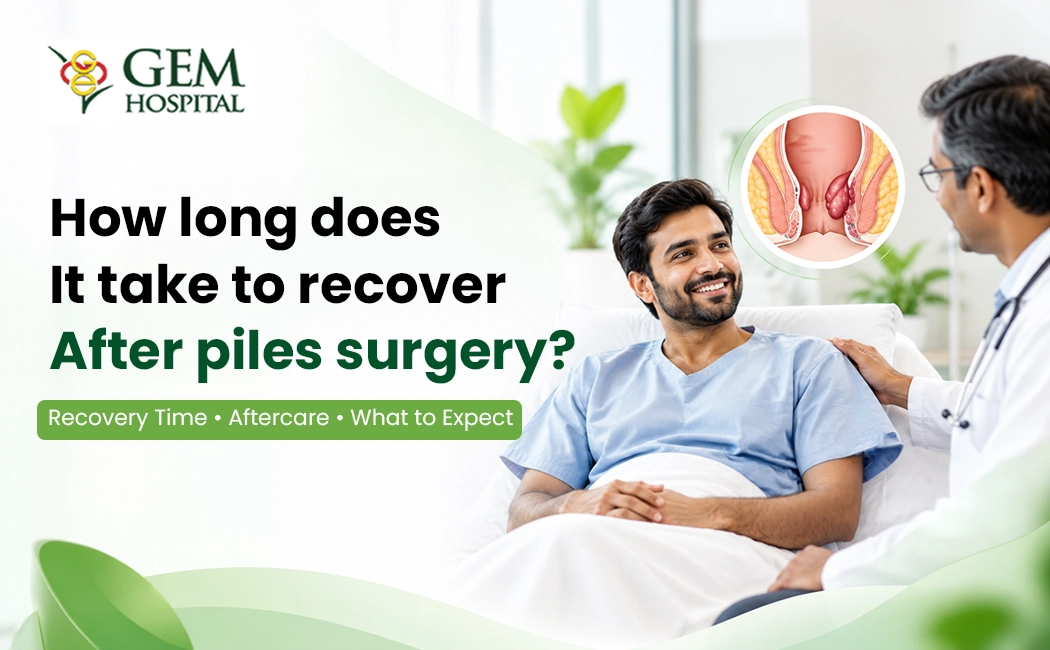
Undergoing piles surgery can raise several questions, particularly about pain, recovery time and when you can return to your normal routine. Some patients recover relatively quickly after minimally invasive procedures, while others may need several weeks to heal completely following conventional surgery.
Recovery after piles surgery generally ranges from a few days to several weeks, depending on the procedure performed, the severity of the piles and the patient's overall health. Laser procedures and certain minimally invasive treatments may involve a shorter recovery period, whereas conventional haemorrhoidectomy may require more time for wound healing and pain to settle.
For patients consulting piles doctors in Coimbatore, understanding the recovery process can help them prepare for treatment and follow appropriate postoperative care. Knowing what to expect regarding bowel movements, food choices, physical activity and follow-up appointments can make the recovery journey more manageable.
At GEM Hospital, treatment recommendations are based on the patient's condition, the stage of piles and the most appropriate treatment approach.
How Long Does It Take to Recover After Piles Surgery?
The recovery period depends largely on the type of procedure used to treat haemorrhoids.
Here is a general overview:
Treatment TypeGeneral Recovery PeriodLaser haemorrhoidoplastyMany suitable patients resume routine activities within 24–48 hoursRubber band ligationRecovery is generally a few days, although mild discomfort may occurInjection treatmentUsually involves relatively short recovery, depending on the procedureStapled haemorrhoidopexyMany patients resume routine activities within several days to a weekConventional haemorrhoidectomyOften requires around 2–4 weeks or longer for recovery
These are approximate timelines, not guaranteed outcomes. Recovery can take longer depending on the number and severity of piles, the extent of treatment and individual healing.
Does Laser Piles Surgery Have a Shorter Recovery Time?
Laser haemorrhoidoplasty is a minimally invasive option for selected patients with internal piles. It uses controlled laser energy to reduce the affected haemorrhoidal tissue.
Compared with conventional excisional surgery, it may involve less postoperative discomfort and a shorter recovery period in appropriately selected cases.
GEM Hospital's official piles treatment information describes discharge within 24 hours and a possible return to routine activities within 24–48 hours for suitable patients undergoing laser treatment.
However, these timelines should not be considered universal. Recovery depends on the severity of the condition, the treatment performed and the patient's response.
Why Does Conventional Piles Surgery Take Longer to Heal?
Conventional haemorrhoidectomy involves surgically removing the affected haemorrhoidal tissue. Since the procedure creates surgical wounds in a sensitive area, patients may experience discomfort during bowel movements and while sitting.
Healing may take several weeks, and the recovery period can vary according to the extent of surgery and individual health factors.
The surgeon will explain the expected healing period and precautions before the procedure.
What Happens During the First Few Days After Piles Surgery?
The initial days after surgery are important for managing discomfort, maintaining hygiene and allowing the treated area to heal.
Patients may experience temporary symptoms, but the intensity varies depending on the procedure.
What Symptoms Are Normal After Piles Surgery?
Some commonly experienced postoperative symptoms include:
- Mild to moderate discomfort around the anal region
- Temporary swelling near the treated area
- Slight bleeding during bowel movements
- Mild discharge from the surgical site
- A temporary feeling of pressure or irritation
- Discomfort while sitting for extended periods
These symptoms should gradually improve according to the expected recovery pattern for the procedure.
However, heavy bleeding, increasing pain, fever or difficulty passing urine should not be ignored and require medical assessment.
Is Pain Normal After Piles Surgery?
Some discomfort is expected after certain piles procedures, particularly conventional haemorrhoidectomy.
Pain may be more noticeable during bowel movements because the treated area is sensitive while healing.
Doctors may prescribe pain-relieving medicines and recommend warm sitz baths to help manage discomfort.
Patients should take medicines only as prescribed and contact their surgeon if pain becomes severe or progressively worsens.
What Should You Eat After Piles Surgery?
Diet plays an important role in recovery because passing hard stools can increase pressure on the treated area and cause discomfort.
A fibre-rich diet, adequate hydration and healthy bowel habits can help maintain softer stools and reduce straining.
Which Foods Help With Recovery After Piles Surgery?
Consider including the following foods, based on your doctor's dietary advice:
Fruits: Papaya, oranges, apples, pears and other fibre-containing fruits can support bowel regularity.
Vegetables: Include carrots, beans, greens, broccoli and other vegetables in daily meals.
Whole grains: Oats, whole wheat and other whole grains provide dietary fibre.
Pulses and legumes: Lentils, beans and suitable pulses can help increase fibre intake.
Adequate fluids: Water and other suitable fluids help maintain hydration and support softer stools.
Fibre intake should be increased gradually to reduce bloating and discomfort.
Which Foods Should You Limit After Piles Surgery?
Certain dietary habits may contribute to constipation or digestive discomfort.
Depending on individual tolerance, patients may need to limit:
- Excessively processed foods
- Foods with very little fibre
- Excessive quantities of fried foods
- Large amounts of refined flour products
- Excessive caffeine if it affects hydration or bowel habits
There is no universal list of foods that every patient must avoid. Follow the dietary instructions provided by your treating team.
What Precautions Should You Follow After Piles Surgery?
Postoperative care helps support healing and reduces the likelihood of avoidable discomfort.
1. Avoid Straining During Bowel Movements
Straining increases pressure around the anal region and can cause discomfort during recovery.
Follow your doctor's advice regarding stool softeners, dietary fibre and bowel habits.
Do not delay passing stool when you feel the urge.
2. Maintain Proper Hygiene
Keep the treated area clean according to the surgeon's instructions.
Gently clean the area after bowel movements and avoid excessive rubbing. Follow the dressing and wound-care instructions provided by the hospital.
3. Take Warm Sitz Baths if Recommended
A sitz bath involves sitting in comfortably warm water for a short period.
It may help soothe discomfort and support personal hygiene after piles surgery.
Follow your doctor's instructions regarding water temperature, duration and frequency.
4. Avoid Heavy Lifting and Strenuous Exercise
Physical activity should be resumed gradually.
Walking and gentle movement are generally encouraged when the medical team permits them. Heavy lifting, intense workouts and activities that increase pressure around the abdomen should be avoided until the surgeon confirms that they are appropriate.
5. Attend Follow-Up Appointments
Follow-up consultations allow the surgeon to assess wound healing, review symptoms and address any concerns.
Even when discomfort improves quickly, patients should follow the recommended review schedule.
When Can You Return to Work After Piles Surgery?
Returning to work depends on the procedure, the nature of the job and the patient's recovery.
People with desk-based jobs may be able to resume work earlier than those whose occupations involve prolonged standing, physical labour or heavy lifting.
A general guide is:
- After minimally invasive procedures: Some patients may resume routine activities within a few days.
- After laser treatment: Suitable patients may return to office work within 24–48 hours, depending on their recovery.
- After stapled procedures: Many patients resume normal activities within several days to a week.
- After conventional haemorrhoidectomy: A longer break may be necessary, sometimes around two to four weeks or more.
These timelines are indicative. Patients should obtain clearance from their surgeon before returning to strenuous work or exercise.
When Can You Resume Exercise After Piles Surgery?
Gentle walking may be encouraged early during recovery, depending on the procedure and medical advice.
However, activities such as weightlifting, cycling, intense gym workouts and strenuous exercise may need to be postponed.
The timing depends on wound healing, discomfort and the type of surgery performed.
What Factors Can Affect Recovery After Piles Surgery?
Not everyone heals at the same rate. Several factors may influence the duration and comfort of recovery.
Severity and Stage of Piles
Advanced piles, particularly those with significant prolapse or external components, may require more extensive treatment.
The extent of the procedure can influence postoperative discomfort and healing time.
Type of Surgical Procedure
Laser treatment, stapled haemorrhoidopexy and conventional haemorrhoidectomy involve different techniques.
The recovery experience and aftercare requirements vary accordingly.
Existing Health Conditions
Conditions such as diabetes, nutritional deficiencies and other medical problems may influence wound healing.
The treating team may consider these factors while planning surgery and postoperative care.
Constipation and Bowel Habits
Persistent constipation and straining can increase discomfort and interfere with recovery.
Maintaining appropriate hydration, fibre intake and regular bowel habits is important.
Following Medical Instructions
Taking prescribed medicines, maintaining hygiene, avoiding strenuous activity when advised and attending follow-up appointments can support recovery.
When Should You Contact Your Doctor After Piles Surgery?
Some mild discomfort and spotting may occur after treatment. However, certain symptoms require prompt medical attention.
Contact your treating doctor if you experience:
- Heavy or persistent bleeding
- Increasing or severe anal pain
- Fever or chills
- Increasing swelling or redness
- Pus or unusual discharge
- Difficulty passing urine
- Persistent constipation or inability to pass stool
- Symptoms that worsen instead of gradually improving
Heavy bleeding, fainting, severe pain with fever or an inability to pass urine may require urgent medical care.
Do not attempt to manage significant postoperative complications with home remedies alone.
Why Is the Right Piles Treatment Important for Recovery?
Choosing an appropriate treatment method is an important part of achieving a comfortable recovery.
Not every patient with piles requires surgery. Mild cases may improve with dietary changes, medicines and better bowel habits. Other patients may benefit from procedures such as rubber band ligation, injection treatment or laser haemorrhoidoplasty.
Surgery may be recommended when piles are advanced, repeatedly bleed, prolapse significantly or do not improve with other treatments.
A specialist assessment helps determine the most suitable approach.
Is Laser Treatment Suitable for Everyone?
No. Laser haemorrhoidoplasty is an option for selected patients, but it is not appropriate for every type or stage of piles.
The doctor may consider:
- Whether the piles are internal or external
- The grade and severity of the condition
- The extent of prolapse
- The presence of bleeding or pain
- Previous treatment history
- The patient's overall health
Patients should understand why a particular procedure is recommended rather than choosing a treatment based only on claims of faster recovery or less pain.
Piles Care and Recovery Support at GEM Hospital, Coimbatore
Patients looking for piles doctors in Coimbatore should consider a hospital that provides appropriate diagnosis, different treatment options and guidance throughout recovery.
GEM Hospital provides evaluation and treatment for piles, also known as haemorrhoids. Its official treatment information describes options including dietary management, medicines, rubber band treatment, injection treatment, heat-based procedures and surgery.
The hospital also describes laser haemorrhoidoplasty as an option for selected patients, with an emphasis on minimally invasive treatment and postoperative support.
Depending on the patient's condition, treatment planning may include:
- Assessment of the type and grade of piles
- Evaluation of rectal bleeding and associated symptoms
- Discussion of non-surgical and surgical options
- Selection of an appropriate procedure
- Guidance on diet and bowel habits
- Post-treatment instructions and follow-up
The recovery plan should be individualised. Patients should discuss the expected healing period, possible complications and activity restrictions with their treating surgeon.
Frequently Asked Questions About Recovery After Piles Surgery
How Many Days Does It Take to Recover After Piles Surgery?
Recovery can range from a few days to several weeks, depending on the procedure. Some patients resume routine activities within 24–48 hours after suitable laser treatment, while conventional haemorrhoidectomy may require two to four weeks or longer.
Is Piles Surgery Painful?
The level of discomfort depends on the surgical technique. Conventional haemorrhoidectomy may cause more postoperative pain than some minimally invasive procedures. Pain-relieving medicines and appropriate aftercare can help manage discomfort.
Can I Pass Stool Normally After Piles Surgery?
Yes. Most patients can pass stool after surgery, although the first few bowel movements may cause temporary discomfort. Drinking adequate water, eating fibre-rich foods and following prescribed stool-softening treatment can help.
When Can I Sit Normally After Piles Surgery?
Some patients may experience discomfort while sitting during the initial recovery period. The time required to sit comfortably depends on the procedure and individual healing. Taking short breaks and following your surgeon's advice may help.
Can I Walk Immediately After Piles Surgery?
Gentle walking is often encouraged once the medical team confirms that it is safe. Avoid strenuous activity and heavy lifting until your surgeon gives clearance.
Is Bleeding Normal After Piles Surgery?
A small amount of bleeding or spotting may occur after certain piles procedures, particularly during bowel movements. Heavy, persistent or increasing bleeding requires prompt medical assessment.
Can Piles Come Back After Surgery?
Yes. Piles can recur after treatment, particularly if constipation, straining and unhealthy bowel habits continue. Maintaining a fibre-rich diet, adequate hydration and healthy toilet habits may help reduce recurrence.
Is Laser Piles Surgery Recovery Faster Than Conventional Surgery?
Laser haemorrhoidoplasty may involve less postoperative discomfort and a shorter recovery period for appropriately selected patients. However, results vary, and the procedure is not suitable for every type of piles.
Which Doctor Should I Consult for Piles Surgery in Coimbatore?
Consult a qualified surgeon who specialises in colorectal or gastrointestinal conditions. The doctor can assess the severity of the piles, explain the available procedures and recommend a suitable treatment plan.
Conclusion
Recovery after piles surgery depends on the type of procedure, the severity of the condition and the patient's overall health. While some minimally invasive procedures may allow an earlier return to routine activities, conventional surgery can require several weeks for complete healing.
Following postoperative instructions, maintaining a fibre-rich diet, drinking adequate water and avoiding straining are important parts of recovery. Regular follow-up also helps the treating team monitor healing and address any complications.
For patients consulting piles doctors in Coimbatore, understanding the available treatment options and expected recovery period can help them prepare for surgery with greater confidence.
Considering piles surgery or experiencing recurring symptoms? Consult a specialist at GEM Hospital, Coimbatore, to understand the suitable treatment options and recovery plan.
Medical disclaimer: This article is intended for general educational purposes and does not replace professional medical advice. Recovery timelines are approximate and vary between individuals. Treatment and postoperative instructions should be followed according to the advice of the treating surgeon.