








Why Do Kidney Stones Keep Coming Back? Prevention Explained

Experiencing kidney stones once can be painful and uncomfortable. However, for some people, the problem does not end after the first episode. Kidney stones can develop again, sometimes even after a previous stone has passed naturally or been removed through a medical procedure.
Why does this happen? Recurrent kidney stones may be associated with inadequate fluid intake, dietary habits, metabolic conditions, family history or underlying urinary tract abnormalities. In some cases, the original stone may have been removed, but the factors responsible for its formation may still be present.
Kidney stones keep coming back when the conditions that promote crystal formation in the urine continue to exist. Identifying these factors is important for preventing future episodes.
For people exploring kidney stone treatment in Chennai, understanding why stones recur can help them make informed decisions about treatment, dietary changes and long-term prevention.
Why Do Kidney Stones Keep Coming Back?
Kidney stones form when certain minerals and substances in the urine become concentrated and crystallise. These crystals can gradually grow into stones that may remain in the kidneys or move into the urinary tract.
Even after a stone is removed, the tendency to form new stones may remain if the underlying cause is not addressed.
1. Does Not Drinking Enough Water Cause Recurrent Kidney Stones?
Yes. Inadequate fluid intake is one of the important risk factors for kidney stone formation.
When the body does not receive enough fluids, urine becomes more concentrated. This increases the likelihood that substances such as calcium, oxalate and uric acid will form crystals.
In people who have experienced kidney stones before, consistently low urine volume can increase the risk of recurrence.
What can help?
- Drink water regularly throughout the day.
- Increase fluid intake when sweating more due to exercise or hot weather.
- Avoid prolonged periods without drinking fluids.
- Follow your doctor's hydration recommendations if you have heart, kidney or other conditions that require fluid restrictions.
Many recurrent stone formers are advised to maintain enough fluid intake to produce at least 2.5 litres of urine daily. The amount of water required to achieve this varies depending on climate, activity level and individual health.
2. Can Your Diet Cause Kidney Stones to Return?
Yes. Certain dietary patterns can increase the concentration of stone-forming substances in urine.
A diet high in sodium, excessive animal protein or certain oxalate-rich foods may increase the risk of particular types of kidney stones.
However, dietary recommendations depend on the composition of the stone. A diet suitable for one type of kidney stone may not be appropriate for another.
Common dietary factors include:
- Excessive salt consumption
- High intake of animal protein
- Inadequate dietary calcium
- Frequent consumption of foods high in oxalate in people susceptible to calcium oxalate stones
- Excessive intake of sugar-sweetened beverages
Understanding the type of stone is important before making major dietary changes.
3. Can Family History Increase the Risk of Kidney Stones?
Yes. People with a family history of kidney stones may have a higher likelihood of developing them.
Genetic factors can influence how the body processes minerals and other substances that contribute to stone formation.
Some inherited conditions can also cause recurrent stones, particularly when they affect calcium, oxalate or uric acid metabolism.
If kidney stones occur repeatedly, especially at a young age or in multiple family members, a specialist may recommend further evaluation.
4. Can Certain Medical Conditions Cause Repeated Kidney Stones?
Yes. Some medical conditions can change the composition of urine and increase the likelihood of stone formation.
These include:
Hyperparathyroidism: Overactivity of the parathyroid glands can increase calcium levels in the blood and urine, contributing to stone formation.
Gout: Increased uric acid levels can lead to uric acid stones in some individuals.
Recurrent urinary tract infections: Certain bacteria can contribute to the formation of infection-related stones, particularly struvite stones.
Intestinal conditions: Some digestive disorders and intestinal surgeries can affect oxalate absorption and increase the risk of calcium oxalate stones.
Metabolic conditions: Obesity, diabetes and metabolic syndrome may increase the risk of certain types of kidney stones.
Managing these underlying conditions is an important part of preventing recurrence.
5. Can Kidney Stones Return Even After Surgery?
Yes. Removing a kidney stone does not necessarily eliminate the factors responsible for its formation.
A patient may develop a new stone after a successful procedure if urine composition, dietary habits or underlying medical conditions continue to promote crystal formation.
In some cases, small stones may also remain in the kidney after treatment and grow over time.
This is why follow-up imaging, stone analysis and preventive evaluation are important for people who experience recurrent kidney stones.
What Are the Different Types of Kidney Stones?
Understanding the type of kidney stone helps doctors identify possible causes and recommend appropriate preventive measures.
Calcium Oxalate Stones
These are among the most common types of kidney stones. They develop when calcium combines with oxalate in the urine.
Risk factors may include low urine volume, high urinary oxalate, low urinary citrate and excessive sodium intake.
Uric Acid Stones
Uric acid stones may form when urine is consistently too acidic or contains high levels of uric acid.
They may be associated with gout, metabolic syndrome, obesity and certain dietary patterns.
Struvite Stones
These stones are associated with certain urinary tract infections caused by bacteria that produce specific enzymes.
They can sometimes grow quickly and form large stones that require specialised treatment.
Cystine Stones
Cystine stones develop due to an inherited condition called cystinuria, which causes excessive amounts of cystine to enter the urine.
People with this condition may experience recurrent stones and require specialised long-term prevention.
Identifying the stone type through laboratory analysis can help guide treatment and reduce the risk of recurrence.
How Can You Prevent Kidney Stones From Coming Back?
Preventing kidney stones involves identifying the factors responsible for their formation and making appropriate changes to diet, hydration and lifestyle.
The most effective prevention strategy depends on the stone type and the results of medical investigations.
1. How Much Water Should You Drink to Prevent Kidney Stones?
Maintaining adequate hydration is one of the most important preventive measures.
Drinking enough fluids helps dilute urine and reduce the concentration of minerals that can form crystals.
For many people with recurrent kidney stones, doctors recommend aiming for a urine output of at least 2.5 litres per day, unless a medical condition requires fluid restriction.
Practical hydration habits include:
- Drinking water at regular intervals.
- Carrying a water bottle when travelling.
- Increasing fluid intake during hot weather.
- Replacing fluids after sweating or physical activity.
- Monitoring urine colour as a general hydration indicator.
Very dark urine may suggest concentrated urine, although urine colour alone cannot measure kidney stone risk accurately.
2. Should You Reduce Salt to Prevent Kidney Stones?
Yes. Reducing excessive sodium intake can help lower the risk of certain kidney stones.
High sodium intake can increase the amount of calcium released into the urine. This may contribute to calcium-based stone formation.
Consider the following dietary changes:
- Limit heavily salted foods.
- Reduce frequent consumption of packaged snacks.
- Avoid adding excessive salt during cooking.
- Check sodium levels in packaged food products.
- Choose fresh, minimally processed foods more often.
People prone to calcium stones may benefit from limiting sodium intake according to their doctor's dietary recommendations.
3. Should You Avoid Calcium-Rich Foods if You Have Kidney Stones?
No. Avoiding calcium-rich foods completely is generally not recommended for people with calcium oxalate stones.
Adequate calcium from food can bind to oxalate in the digestive tract, reducing the amount of oxalate absorbed into the bloodstream and passed into urine.
Depending on age and individual requirements, doctors may recommend maintaining normal dietary calcium intake through foods such as milk, curd and other suitable calcium-rich sources.
Calcium supplements should be discussed with a healthcare professional, particularly if you have a history of kidney stones.
4. Should You Avoid Oxalate-Rich Foods?
People who form calcium oxalate stones and have elevated urinary oxalate may benefit from managing their oxalate intake.
Some foods contain higher amounts of oxalate, including:
- Spinach
- Beetroot
- Nuts
- Certain legumes
- Chocolate
- Some tea varieties
This does not mean everyone with kidney stones needs to eliminate these foods.
Dietary recommendations should be based on stone analysis and urine test results. Consuming calcium-containing foods with meals may also help reduce oxalate absorption.
5. Can Reducing Animal Protein Help Prevent Kidney Stones?
Excessive consumption of animal protein may increase the risk of certain kidney stones.
High animal protein intake can increase urinary calcium and uric acid while reducing urinary citrate in some individuals.
Depending on the type of stone, doctors may recommend moderating the consumption of:
- Red meat
- Organ meat
- Large portions of poultry
- Certain seafood
A balanced diet that includes suitable plant-based protein sources may help support long-term kidney health.
6. Can Lemon Water Help Prevent Kidney Stones?
Citrus fruits contain citrate, a substance that can help prevent certain types of kidney stones by reducing crystal formation.
Lemon juice can provide dietary citrate and may be a useful addition to a balanced hydration routine for some people.
However, lemon water is not a treatment for existing kidney stones and cannot replace medical evaluation or prescribed preventive medication.
The benefit depends on the person's urine chemistry and overall dietary intake.
What Tests Help Identify the Cause of Recurrent Kidney Stones?
When kidney stones occur repeatedly, identifying the reason behind their formation is important.
A specialist may recommend investigations to understand the stone's composition, assess kidney function and identify metabolic abnormalities.
What Is a Kidney Stone Analysis?
If a stone is passed naturally or removed through a procedure, laboratory analysis can help determine its chemical composition.
This information helps doctors understand whether the stone contains calcium oxalate, uric acid, struvite, cystine or another substance.
The results can guide personalised dietary and medical prevention strategies.
What Is a 24-Hour Urine Test?
A 24-hour urine test measures the amount of urine produced over a full day and assesses substances associated with stone formation.
Depending on the test, measurements may include:
- Calcium
- Oxalate
- Uric acid
- Citrate
- Sodium
- Creatinine
- Urine volume
- Urine acidity
This investigation is particularly useful for people with recurrent stones or those at high risk of future stone formation.
Why Are Blood Tests and Imaging Important?
Blood tests can help assess kidney function, calcium levels, uric acid and other metabolic factors.
Ultrasound or CT imaging may be recommended to identify existing stones, assess their size and location and check for urinary obstruction.
The doctor determines which investigations are necessary based on the patient's history and clinical findings.
When Do Recurrent Kidney Stones Require Medical Treatment?
Not every kidney stone requires an immediate procedure. Some small stones may pass naturally under medical supervision.
However, treatment may be necessary when stones cause persistent pain, urinary obstruction, repeated infections or impaired kidney function.
For people considering kidney stone treatment in Chennai, the appropriate procedure depends on the stone's size, location, composition and associated complications.
Can Small Kidney Stones Pass Without Surgery?
Yes. Some small stones may pass naturally through the urinary tract.
A doctor may recommend observation, appropriate pain management and follow-up imaging to ensure that the stone has passed and that urine flow is not obstructed.
Certain medicines may also help selected patients pass ureteral stones.
When Is Ureteroscopy Recommended?
Ureteroscopy may be recommended when a stone is located in the ureter or when another treatment approach is unsuitable.
A thin instrument is passed through the urinary tract to reach the stone. The surgeon may use laser energy to break the stone into smaller fragments or remove it using specialised instruments.
When Is Shock Wave Lithotripsy Used?
Shock wave lithotripsy uses focused external shock waves to break selected kidney or ureteral stones into smaller pieces.
The fragments may then pass through the urinary tract.
Its suitability depends on the stone's size, location, composition and other clinical factors.
When Is PCNL Recommended for Kidney Stones?
Percutaneous nephrolithotomy (PCNL) is a procedure commonly used for large or complex kidney stones.
The surgeon accesses the kidney through a small incision in the back and removes the stones using specialised instruments.
The procedure may be recommended when stones are too large or complex for less invasive treatment methods.
The most suitable procedure should be determined after reviewing the patient's investigations and overall health.
Why Is Follow-Up Care Important After Kidney Stone Treatment?
Follow-up care is an important part of managing recurrent kidney stones.
Even after successful stone removal, patients may remain at risk of developing new stones.
Regular assessment helps doctors monitor kidney health, identify new stone formation and adjust preventive measures when necessary.
What Should You Monitor After Treatment?
Patients may be advised to:
- Attend follow-up consultations.
- Complete recommended urine and blood investigations.
- Undergo imaging when advised.
- Maintain adequate hydration.
- Follow dietary recommendations.
- Take prescribed preventive medicines when required.
- Report recurring pain or urinary symptoms promptly.
People with frequent kidney stones may need long-term monitoring and a personalised prevention plan.
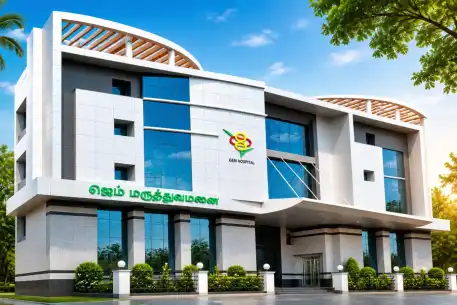
Kidney Stone Treatment in Chennai at GEM Hospital
For patients experiencing repeated kidney stones, treatment should address both the existing stones and the factors contributing to their formation.
Those seeking kidney stone treatment in Chennai should consider specialist evaluation to understand the stone type, assess kidney function and identify possible metabolic or dietary causes.
At GEM Hospital, Chennai, patients can enquire about evaluation and treatment for kidney and urinary tract conditions. Depending on the clinical assessment, the treatment plan may involve observation, medical management or an appropriate stone removal procedure.
A long-term approach to kidney stone care should also consider:
- Identifying the type of kidney stone.
- Assessing recurrent stone formation.
- Evaluating relevant blood and urine test results.
- Recommending appropriate hydration and dietary changes.
- Planning follow-up investigations.
- Considering suitable preventive treatment.
If kidney stones have occurred more than once, consulting a qualified specialist can help identify the underlying risk factors and guide future prevention.
Frequently Asked Questions About Recurrent Kidney Stones
Why Do Kidney Stones Keep Coming Back Even After Surgery?
Kidney stones may recur because the factors responsible for their formation remain unchanged after surgery. Inadequate hydration, dietary habits, metabolic conditions and inherited disorders can contribute to new stone formation. Preventive evaluation is important after treatment.
How Can I Prevent Kidney Stones From Coming Back Naturally?
Maintaining adequate hydration, limiting excessive salt intake, following a balanced diet and managing underlying medical conditions may help reduce recurrence. However, prevention should be tailored to the type of stone and individual urine test results.
Does Drinking More Water Completely Prevent Kidney Stones?
No. Adequate hydration reduces the concentration of stone-forming substances in urine, but it cannot guarantee complete prevention. Some people may also require dietary changes or preventive medication.
Which Foods Should I Avoid if I Keep Getting Kidney Stones?
The foods to limit depend on the type of kidney stone. People with calcium oxalate stones may need to manage excessive oxalate intake, while others may benefit from reducing sodium or excessive animal protein. A personalised dietary plan is preferable to eliminating multiple food groups without medical advice.
Can Kidney Stones Return After Laser Treatment?
Yes. Laser treatment can break or remove existing stones, but it does not necessarily eliminate the factors that cause them to form. New stones may develop if the underlying risk factors remain.
Is Kidney Stone Recurrence a Sign of Kidney Damage?
Not necessarily. Recurrent stones do not always mean permanent kidney damage. However, repeated obstruction, infections and untreated complications can affect kidney function. Regular medical evaluation is important.
Which Doctor Should I Consult for Recurrent Kidney Stones in Chennai?
A urologist can evaluate recurrent kidney stones, review imaging and laboratory results, recommend suitable treatment and guide preventive care. A nephrologist may also be involved when metabolic or kidney function concerns require specialised assessment.
How Often Should I Get Checked After Kidney Stone Removal?
The follow-up schedule depends on the stone type, procedure, residual fragments and individual recurrence risk. Your treating doctor may recommend imaging, urine tests or blood investigations at specific intervals.
Are Kidney Stones Hereditary?
Family history can increase the risk of kidney stones. Certain inherited conditions can also affect how the body processes substances such as cystine, calcium and oxalate, contributing to repeated stone formation.
Conclusion
Kidney stones can return even after successful treatment because the underlying factors responsible for their formation may continue to exist. Inadequate hydration, excessive sodium intake, dietary imbalances, metabolic conditions and genetic factors can all contribute to recurrence.
Preventing repeated kidney stones requires more than simply removing the existing stone. Identifying its composition, understanding urine chemistry and following appropriate lifestyle or medical recommendations can help reduce future risk.
For people seeking kidney stone treatment in Chennai, specialist evaluation can help determine the cause of recurrence, identify suitable treatment options and develop a personalised prevention plan.
Have kidney stones returned more than once? Consult a specialist to understand the underlying cause and explore appropriate treatment and prevention options.
Medical disclaimer: This article is intended for general educational purposes and does not replace professional medical advice. Kidney stone prevention and treatment should be based on individual medical assessment, stone analysis and appropriate investigations.

