








Is Hernia Surgery Safe for Older Adults? Factors That Matter

As people grow older, health conditions and age-related physical changes can influence decisions about surgery. When an elderly person is diagnosed with a hernia, concerns about anaesthesia, recovery time and possible complications may make the decision to undergo surgery difficult.
Some families worry that surgery may be too risky for a senior citizen, while others are concerned about what could happen if the hernia is left untreated.
Yes, hernia surgery can be performed safely in many older adults, provided the patient's overall health, medical conditions and surgical risks are carefully evaluated. Age alone does not automatically make someone unsuitable for surgery. Factors such as heart function, lung health, diabetes, mobility, nutritional status and frailty play important roles in determining the appropriate treatment approach.
For families exploring hernia treatment in Chennai, understanding these factors can help them make informed decisions about surgical treatment for elderly relatives.
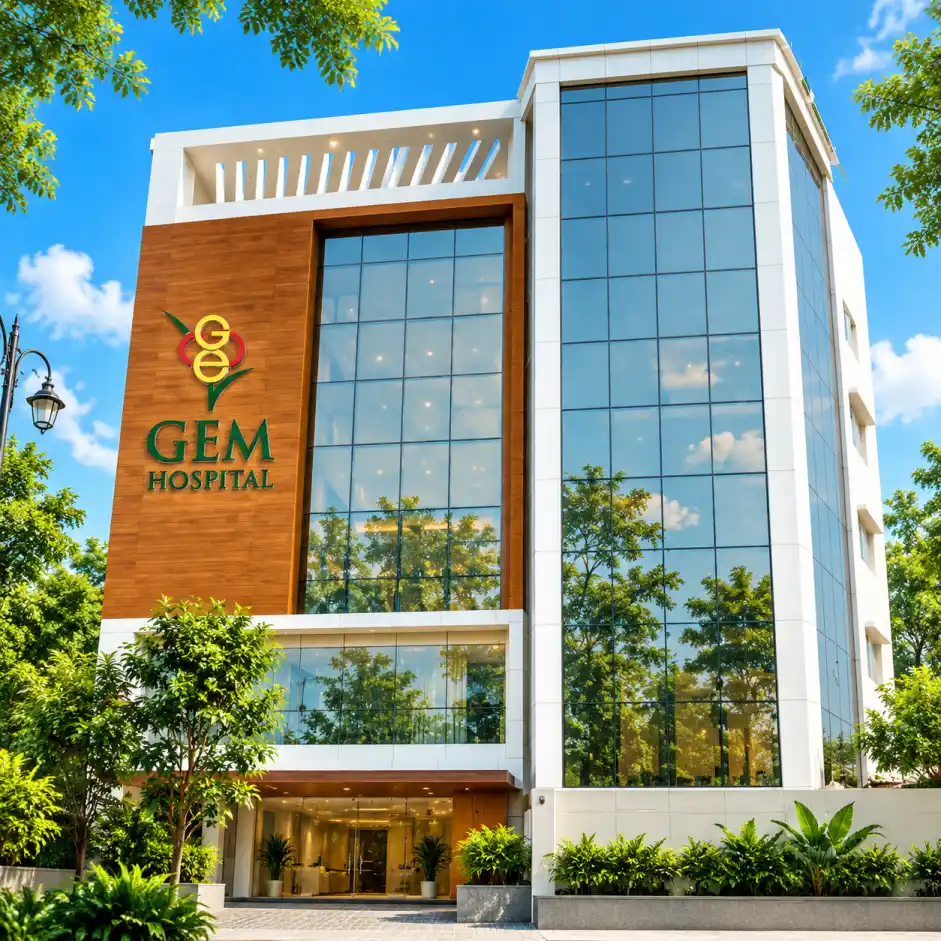
At GEM Hospital, treatment planning involves assessing the type of hernia, the patient's health condition and the most appropriate surgical approach.
Is Hernia Surgery Safe for People Above 60 or 70 Years?
Yes. Many people above the age of 60 or 70 undergo hernia repair after appropriate medical evaluation.
However, surgical safety depends on more than chronological age. Two people of the same age may have very different health conditions and recovery capabilities.
For example, a physically active 75-year-old with well-controlled medical conditions may be a suitable candidate for planned hernia surgery. Another person of the same age with severe heart disease, respiratory problems or significant frailty may require additional evaluation and preparation.
The surgical team considers several factors before recommending an operation.
Does Age Increase the Risk of Hernia Surgery?
Age can be associated with certain surgical risks because the body's ability to respond to physical stress may change over time.
Older adults may be more likely to have:
- Reduced heart and lung reserve
- Diabetes or high blood pressure
- Reduced muscle strength
- Slower wound healing
- Nutritional deficiencies
- Reduced mobility
- Multiple medications
- Greater sensitivity to certain anaesthetic medicines
However, these factors do not mean that every elderly patient will experience complications.
A comprehensive preoperative assessment helps identify potential concerns and determine how they can be managed before surgery.
Can an 80-Year-Old Patient Undergo Hernia Surgery?
Yes. Selected patients aged 80 and above can undergo hernia repair.
The decision depends on the patient's functional ability, existing medical conditions, hernia characteristics and anaesthetic risk.
For some patients, planned elective surgery may be appropriate. Others may benefit from observation if their hernia is minimally symptomatic and the risks of surgery outweigh the expected benefits.
The treatment plan should always be individualised.
What Health Factors Matter Before Hernia Surgery in Older Adults?
Before recommending surgery, doctors evaluate several aspects of the patient's general health.
These assessments help determine whether the patient is fit for surgery, whether existing conditions need to be controlled and which surgical technique may be suitable.
1. Does Heart Health Affect Hernia Surgery Safety?
Yes. Heart health is an important consideration before any planned operation.
Older adults may have conditions such as:
- Coronary artery disease
- Previous heart attack
- Heart failure
- Irregular heartbeat
- High blood pressure
- Heart valve disorders
These conditions may influence how the body responds to anaesthesia and surgery.
Depending on the patient's medical history, the surgical team may recommend an ECG, echocardiogram or cardiology consultation.
Patients with existing heart conditions should inform their doctors about their diagnosis, previous procedures and current medications.
2. Can Diabetes Affect Hernia Surgery and Recovery?
Yes. Poorly controlled diabetes can increase the risk of postoperative complications.
Elevated blood glucose levels may affect wound healing and increase the possibility of surgical site infections.
Before surgery, doctors may assess:
- Current blood glucose levels
- HbA1c levels
- Diabetes-related kidney complications
- Existing nerve or circulation problems
- Current diabetes medications
The medical team may recommend adjustments to medication and glucose monitoring around the time of surgery.
Well-managed diabetes can help support a safer surgical and recovery process.
3. Do Lung Problems Increase the Risks of Hernia Surgery?
They can.
Conditions such as chronic obstructive pulmonary disease (COPD), asthma and other respiratory disorders may affect breathing during and after surgery.
General anaesthesia can also influence respiratory function, making preoperative evaluation particularly important for some older patients.
Doctors may review lung function, oxygen levels, smoking history and current respiratory symptoms.
If necessary, treatment may be recommended to optimise breathing before the operation.
4. Does Frailty Affect Hernia Surgery Outcomes?
Yes. Frailty is an important factor when assessing older adults for surgery.
It refers to reduced physical reserve and the body's ability to recover from stressful situations such as an operation.
Signs that may suggest frailty include:
- Reduced muscle strength
- Difficulty walking or maintaining balance
- Unintentional weight loss
- Persistent fatigue
- Dependence on others for daily activities
- Reduced physical endurance
A frailty assessment helps the medical team understand the patient's overall condition rather than relying only on age.
Some patients may benefit from nutritional support, physical conditioning and management of existing health conditions before surgery.
5. Can Kidney or Liver Problems Affect Hernia Surgery?
Yes. Kidney and liver conditions may influence the way the body processes medications, responds to anaesthesia and recovers after surgery.
Patients with chronic kidney disease may need adjustments to certain medicines and fluid management.
Liver disease may affect blood clotting, nutritional status and medication metabolism.
The surgical team may recommend blood investigations and specialist consultations depending on the severity of these conditions.
6. Do Blood-Thinning Medicines Increase Surgical Risks?
They can influence bleeding risk during and after surgery.
Many older adults take medicines such as anticoagulants or antiplatelet drugs for heart disease, previous strokes or other conditions.
Examples include:
- Warfarin
- Apixaban
- Rivaroxaban
- Clopidogrel
- Aspirin
These medicines should never be stopped without medical advice.
The surgeon, anaesthesiologist and prescribing doctor may coordinate a plan to manage these medications around the operation while balancing bleeding and clotting risks.
What Tests Are Needed Before Hernia Surgery in Elderly Patients?
Preoperative investigations help doctors assess whether a patient is medically prepared for surgery.
The tests required depend on age, medical history, the type of hernia and the proposed procedure.
Which Medical Tests May Be Recommended?
Blood Tests: These may assess haemoglobin, blood glucose, kidney function, liver function and electrolyte levels.
ECG: An electrocardiogram records the electrical activity of the heart and may be recommended based on the patient's cardiovascular history and surgical risk.
Echocardiogram: This ultrasound examination of the heart may be required when there are concerns about heart function or certain cardiac conditions.
Chest Imaging: A chest X-ray may be recommended when respiratory symptoms or relevant medical history make it necessary.
Anaesthesia Assessment: An anaesthesiologist reviews the patient's health, medications, previous anaesthesia experiences and potential risks.
Hernia Imaging: Ultrasound or CT imaging may be recommended to understand the hernia's size, location and complexity.
Not every elderly patient needs every investigation. The treating team selects tests according to individual clinical requirements.
Which Type of Hernia Surgery Is Suitable for Older Adults?
There is no single surgical method that is suitable for every elderly patient.
The choice depends on the type and size of the hernia, previous abdominal surgeries, medical conditions and the patient's ability to tolerate different forms of anaesthesia.
1. Is Open Hernia Surgery Suitable for Senior Citizens?
Yes. Open hernia repair is an established treatment option for older adults.
During the procedure, the surgeon makes an incision near the hernia, returns the protruding tissue to its normal position and repairs the weakened abdominal wall.
Surgical mesh may be used to reinforce the area when appropriate.
One important consideration is that selected open inguinal hernia repairs can be performed under local anaesthesia.
This may be useful for certain older or frail patients who have a higher risk associated with general anaesthesia.
However, local anaesthesia is not appropriate for every hernia or patient and the procedure requires an experienced surgical and anaesthesia team.
2. Can Elderly Patients Undergo Laparoscopic Hernia Surgery?
Yes. Laparoscopic hernia repair can be an option for selected older adults.
The procedure uses small incisions, a camera and specialised instruments to repair the weakened abdominal wall.
Potential advantages include:
- Smaller surgical incisions
- Less postoperative pain in many patients
- Earlier mobilisation
- Reduced wound-related discomfort
- Shorter hospital stay in suitable cases
However, laparoscopic repair generally requires general anaesthesia.
Patients with significant respiratory or cardiovascular conditions may need additional assessment before this approach is considered.
The decision should be based on the patient's health and the surgeon's evaluation.
3. Is Robotic Hernia Surgery Suitable for Older Adults?
Robotic-assisted hernia repair may be considered for selected patients, particularly those with complex or recurrent hernias.
The surgeon controls specialised robotic instruments while viewing the surgical area through a magnified three-dimensional display.
The approach may provide greater instrument flexibility in certain complex repairs.
However, robotic surgery is not automatically safer or better for elderly patients. It generally requires general anaesthesia and its suitability depends on the patient's medical condition and the complexity of the hernia.
The surgical team should explain the benefits, limitations and alternatives before recommending this approach.
What Type of Anaesthesia Is Used for Hernia Surgery in Older Adults?
Anaesthesia is one of the most important considerations when planning surgery for elderly patients.
The appropriate method depends on the type of hernia, surgical technique, medical conditions and the patient's overall risk profile.
Can Hernia Surgery Be Performed Without General Anaesthesia?
Yes. Certain open inguinal hernia repairs can be performed using local anaesthesia.
Local anaesthesia numbs the surgical area while the patient remains awake. Sedation may also be considered in selected cases.
This approach may be useful for patients who have medical conditions that make general anaesthesia less suitable.
However, local anaesthesia cannot be used for every hernia repair.
Laparoscopic and robotic-assisted hernia procedures generally require general anaesthesia.
Is General Anaesthesia Risky for Older Adults?
General anaesthesia can be used in many older adults, but certain age-related health factors may increase the risk of complications.
These may include:
- Heart and lung conditions
- Kidney or liver impairment
- Frailty
- Cognitive impairment
- Sleep-related breathing disorders
- Multiple medications
Some older patients may also be more vulnerable to postoperative confusion or delirium.
An anaesthesiologist evaluates these factors and selects an appropriate anaesthesia and monitoring plan.
The goal is to minimise risk while ensuring that the patient can undergo the procedure safely.
What Is the Recovery Process After Hernia Surgery for Older Adults?
Recovery varies depending on the surgical technique, the patient's health and the complexity of the hernia.
An older adult with good mobility and well-managed medical conditions may recover differently from someone with frailty or multiple health problems.
How Long Does It Take for Elderly Patients to Recover?
Some patients can resume light activities within a few days, while others may need several weeks to regain their usual routine.
A general recovery guide includes:
First 24–48 Hours: Patients are monitored for pain, breathing, wound condition and other postoperative concerns. Gentle movement may be encouraged when medically appropriate.
First Week: Short walks and light daily activities may be resumed gradually. Heavy lifting and strenuous movements should be avoided.
Weeks 2–3: Patients may gradually return to suitable daily routines, depending on pain and recovery progress.
Weeks 4–6: Many patients can gradually resume more demanding activities, subject to surgical clearance.
These are approximate timelines, not guaranteed recovery periods.
Can Elderly Patients Walk Soon After Hernia Surgery?
Yes. Early mobilisation is generally encouraged when the treating team considers it safe.
Gentle walking can help maintain circulation and reduce the risk of complications associated with prolonged bed rest.
However, patients should receive assistance if they have balance problems, weakness or a history of falls.
What Precautions Should Older Adults Follow After Surgery?
Postoperative care is particularly important for senior citizens.
Recommended precautions may include:
- Take prescribed medicines according to instructions.
- Keep the surgical wound clean and follow dressing advice.
- Drink adequate fluids if not medically restricted.
- Eat fibre-rich foods to help prevent constipation.
- Avoid straining during bowel movements.
- Avoid heavy lifting until cleared by the surgeon.
- Attend all scheduled follow-up appointments.
- Seek help with walking if balance or mobility is affected.
Families and caregivers can also help monitor medication schedules, food intake and changes in the patient's condition.
What Are the Possible Complications of Hernia Surgery in Older Adults?
Although many older adults undergo planned hernia repair successfully, surgery carries potential risks.
The possibility of complications depends on the patient's medical condition, the procedure and whether surgery is elective or performed during an emergency.
What Complications Should Families Be Aware Of?
Wound Infection: The surgical incision may become infected, particularly in patients with poorly controlled diabetes or other risk factors.
Bleeding or Haematoma: Blood may collect around the surgical area and require medical assessment.
Urinary Retention: Some patients may experience difficulty passing urine after surgery.
Blood Clots: Reduced mobility can increase the risk of blood clots in the legs or lungs.
Respiratory Complications: Older adults with existing lung conditions may be more vulnerable to breathing-related complications.
Postoperative Delirium: Some elderly patients may develop temporary confusion, disorientation or changes in attention following surgery.
Hernia Recurrence: A hernia may return after repair, depending on several factors, including tissue quality, hernia complexity and surgical technique.
The surgical and anaesthesia teams take these risks into account while planning treatment and postoperative monitoring.
Is Planned Hernia Surgery Safer Than Emergency Hernia Surgery?
Planned surgery generally allows more time for medical evaluation, optimisation of existing conditions and selection of an appropriate anaesthesia and surgical approach.
Emergency surgery may be necessary when a hernia becomes incarcerated or strangulated.
In such situations, the patient may also have bowel obstruction, tissue damage or infection, which can make treatment more complex.
This does not mean every hernia requires immediate surgery. It highlights the importance of appropriate assessment and timely treatment planning.
When Should an Older Adult Seek Immediate Medical Attention for a Hernia?
Certain symptoms may indicate that the hernia has developed a serious complication.
Seek emergency medical attention if an elderly patient experiences:
- Sudden or severe pain around the hernia
- A bulge that becomes hard or cannot be pushed back
- Redness or discolouration over the affected area
- Persistent nausea or vomiting
- Abdominal swelling
- Inability to pass stool or gas
- Fever accompanied by abdominal pain
These symptoms may indicate incarceration, bowel obstruction or strangulation.
A strangulated hernia can cut off blood supply to the trapped tissue and requires emergency surgical assessment.
Do not attempt to force a painful or trapped hernia back into place.
How Can Older Adults Prepare for Hernia Surgery?
Preparation before surgery can help improve a patient's overall condition and support recovery.
The medical team may recommend certain changes depending on the patient's health.
What Can Be Done Before the Operation?
Manage Existing Medical Conditions: Ensure that diabetes, blood pressure and other chronic conditions are reviewed and managed.
Review All Medications: Inform the doctor about prescription medicines, over-the-counter drugs and supplements.
Improve Nutrition: Adequate protein, vitamins and overall nutritional intake support tissue healing.
Maintain Suitable Physical Activity: Gentle walking and appropriate exercises may help maintain strength and mobility before surgery.
Stop Smoking: Smoking can affect circulation and wound healing. Patients should seek advice about stopping before surgery.
Arrange Caregiver Support: Older adults may benefit from assistance with transportation, medication schedules and daily activities during the initial recovery period.
In selected patients, doctors may recommend prehabilitation, which involves improving physical fitness, nutrition and general health before an operation.
Hernia Treatment in Chennai at GEM Hospital
Choosing an appropriate treatment facility is an important part of hernia care, particularly for elderly patients who may have additional medical conditions.
Patients looking for hernia treatment in Chennai should consider a hospital that can assess the hernia, review existing health conditions, evaluate anaesthesia risks and plan appropriate postoperative care.
At GEM Hospital, Chennai, hernia treatment includes evaluation of different hernia types and consideration of open, laparoscopic and robotic-assisted surgical approaches.
Depending on the patient's condition, treatment planning may involve:
- Assessment of the hernia's type, location and size.
- Evaluation of existing heart, lung, kidney and metabolic conditions.
- Review of current medications.
- Preoperative anaesthesia assessment.
- Selection of an appropriate surgical technique.
- Postoperative monitoring and recovery guidance.
- Follow-up care after discharge.
For older patients, the decision to operate should be based on the overall health assessment rather than age alone.
To understand the available surgical approaches, visit GEM Hospital's Hernia Surgery in Chennai page.
You can also explore the Hernia Treatment in Chennai service page for information about diagnosis, treatment options and recovery.
For additional information, read GEM Hospital's existing article, Hernia Treatment Specialists in Chennai: Signs, Options and Recovery, which also addresses hernia surgery considerations in older patients.
You may also find the article Best Hospital for Hernia Treatment in Chennai: What to Expect Before, During and After Surgery useful for understanding the surgical process.
Frequently Asked Questions About Hernia Surgery in Older Adults
Is Hernia Surgery Safe for a 70-Year-Old Person?
Yes. Many 70-year-old patients can undergo hernia surgery after appropriate medical evaluation. Their overall health, heart and lung function, diabetes control, mobility and anaesthesia suitability are important factors in determining surgical safety.
Can an 80-Year-Old Person Have Laparoscopic Hernia Surgery?
Yes, selected patients aged 80 and above may undergo laparoscopic hernia repair. However, the procedure generally requires general anaesthesia, so heart function, lung health and other medical conditions must be assessed before surgery.
Is Open Hernia Surgery Better for Elderly Patients?
Not necessarily. Open surgery may be appropriate for some older patients, particularly when local anaesthesia is preferred or when laparoscopic surgery is unsuitable. The best approach depends on the hernia and the patient's health.
Can Hernia Surgery Be Performed Under Local Anaesthesia in Senior Citizens?
Yes. Selected open inguinal hernia repairs can be performed under local anaesthesia. This may be considered for certain older or frail patients who have increased risks associated with general anaesthesia.
What Is the Biggest Risk of Hernia Surgery in Older Adults?
The risks vary according to individual health conditions. Heart and lung complications, infection, blood clots, urinary retention and postoperative delirium may be concerns in certain elderly patients. Preoperative evaluation helps identify and manage these risks.
Can a Hernia Be Left Untreated in an Elderly Patient?
Some older adults with minimally symptomatic inguinal hernias may be suitable for watchful waiting. However, this requires medical supervision. Other hernia types or symptomatic cases may require earlier treatment because of their complication risks.
How Long Does an Elderly Patient Take to Recover After Hernia Surgery?
Recovery varies according to the procedure, physical condition and existing medical problems. Some patients resume light activities within days, while others may need several weeks. The surgeon provides an individual recovery plan.
Does Diabetes Prevent an Elderly Person From Having Hernia Surgery?
No. Diabetes does not automatically prevent surgery. However, blood glucose control, kidney function, wound healing and other diabetes-related complications should be assessed before the operation.
Is General Anaesthesia Dangerous for Senior Citizens?
General anaesthesia can be used in many older adults, but its suitability depends on overall health and medical history. The anaesthesiologist evaluates potential risks and selects an appropriate anaesthesia plan.
Which Doctor Should I Consult for Hernia Treatment in Chennai?
A qualified general surgeon or gastrointestinal surgeon experienced in hernia repair can evaluate the condition. An anaesthesiologist and other specialists may also be involved when the patient has additional medical conditions.
What Happens If an Elderly Person Delays Hernia Surgery?
The hernia may gradually increase in size or cause more discomfort. In some cases, it can become incarcerated or strangulated. However, the need and timing of surgery should be decided after evaluating the patient's individual risks and symptoms.
Conclusion
Hernia surgery can be a suitable treatment option for many older adults, but the decision requires careful medical evaluation. Age alone should not determine whether a patient can undergo surgery. Heart health, lung function, diabetes control, frailty, nutritional status and anaesthesia suitability are equally important considerations.
The choice between open, laparoscopic and robotic-assisted surgery also depends on the type of hernia and the patient's overall condition.
For families considering hernia treatment in Chennai, consulting an experienced surgical team can help identify the appropriate treatment approach, understand possible risks and plan recovery according to the patient's needs.
Have an elderly family member diagnosed with a hernia? Consult the surgical team at GEM Hospital, Chennai, to understand the available treatment options and the assessments needed before surgery.
Medical disclaimer: This article is intended for general educational purposes and does not replace professional medical advice. Hernia surgery decisions should be based on individual surgical and anaesthesia assessments. Sudden severe pain, a trapped hernia, vomiting or abdominal swelling requires emergency medical attention.

