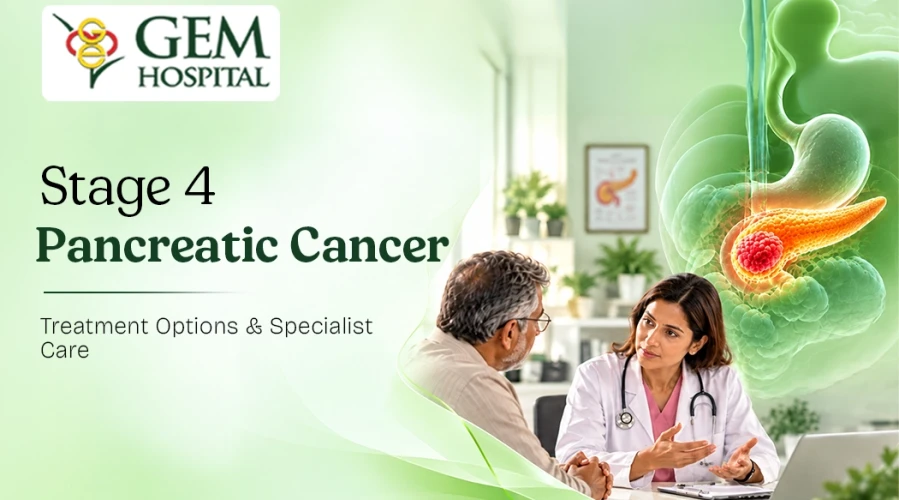
Explore stage 4 pancreatic cancer treatment options, including chemotherapy, targeted therapy, symptom relief and the role of surgery in Chennai.
Why Coimbatore is the Right Choice for Liver Transplant Surgery
Gastrointestinal cancers account for nearly a quarter of all cancer cases in India, and their incidence continues to rise due to lifestyle changes such as increased consumption of fast food, alcohol use, tobacco habits, and reduced intake of traditional vegetables and fiber-rich diets. Among these, colorectal cancer remains one of the most common cancers in the country, with thousands of new cases reported each year. Alongside this growing burden, liver-related diseases and cancers have also become major health concerns, and in advanced cases, Liver Transplant in Coimbatore has emerged as a crucial life-saving treatment option, making advanced medical care increasingly important.
The liver is one of the most vital organs in the human body, responsible for more than 500 essential functions, including detoxification, metabolism, and bile production. The pancreas, located near the stomach, plays a crucial role in regulating blood sugar levels and digestion. When diseases or cancers affect these organs, early detection becomes the key to survival. In severe cases of liver failure or advanced liver cancer, Liver Transplant in Coimbatore has emerged as a life-saving option, offering hope and renewed life to patients with critical liver conditions.
Early Warning Signs You Should Not Ignore
Many people overlook the early symptoms of digestive and liver-related diseases because they seem minor or temporary. However, subtle signs often indicate serious underlying problems. Loss of appetite, persistent abdominal bloating, unexplained weight loss, recurring stomach pain, sudden-onset diabetes, pale-colored stools, blood in the stool, and jaundice are among the symptoms that require immediate medical attention.
Ignoring these warning signs can delay diagnosis and reduce treatment options. Timely medical evaluation helps identify diseases at an early stage, when they are more treatable and outcomes are significantly better.
Understanding Jaundice and Its Causes
Jaundice is one of the most important indicators of liver or bile duct problems. It can be broadly classified into hepatic jaundice and obstructive jaundice. Hepatic jaundice occurs due to liver damage caused by conditions such as viral hepatitis, fatty liver disease, or excessive alcohol consumption. Obstructive jaundice, on the other hand, results from physical blockages in the bile ducts caused by tumors, gallstones, or strictures.
Relying on home remedies or herbal treatments for obstructive jaundice can be dangerous, as they cannot remove physical blockages. Delayed diagnosis may allow cancer or liver disease to progress unchecked. Advanced diagnostic imaging and timely medical intervention are essential. In cases of irreversible liver damage, liver transplantation becomes a definitive and life-saving treatment.
Who Is at Higher Risk?
Certain individuals are more vulnerable to digestive cancers and liver diseases. Risk factors include a family history of cancer, age above 40, smoking, alcohol consumption, obesity, metabolic disorders, and diets high in processed foods. Urban populations in India have shown significantly higher cancer rates compared to rural regions, largely due to lifestyle changes.
For individuals with these risk factors, regular health screenings are highly recommended. Baseline tests such as blood investigations, abdominal ultrasound, and endoscopy should begin around the age of 40, while colonoscopy is advised after 50. Early screening plays a crucial role in detecting diseases before they reach advanced stages.
Why Early Detection Matters
The stage at which cancer or liver disease is diagnosed has a profound impact on survival rates. Localized colorectal cancer has a five-year survival rate of over 90%, but this drops dramatically when the disease spreads. Liver and pancreatic cancers have relatively lower survival rates due to late diagnosis in many cases.
This stark contrast between early and late-stage outcomes highlights the importance of timely medical evaluation. When liver disease progresses to end-stage failure or advanced cancer, liver transplantation becomes one of the most effective treatment options available today.
Treatment Options and Advances in Care
Modern medicine offers a wide range of treatment options for digestive cancers and liver diseases. Early-stage cancers are often treated with surgery, while advanced stages may require chemotherapy, radiation therapy, targeted therapy, or immunotherapy. The choice of treatment depends on the type, stage, and severity of the disease.
In advanced liver conditions such as cirrhosis, acute liver failure, or certain liver cancers, liver transplantation is considered the most effective solution. With the availability of advanced medical infrastructure and skilled transplant teams, Coimbatore has become a leading destination for complex liver care. Patients undergoing liver transplantation benefit from improved survival rates, better quality of life, and long-term recovery when managed by experienced specialists.
Overcoming Fear and Delays in Treatment
Fear is one of the biggest barriers preventing people from seeking timely medical care. Many individuals delay consultations, self-medicate, or dismiss symptoms as minor health issues. To overcome this hesitation, consulting specialists at GEM Hospital and choosing to book an appointment at the right time can help ensure early diagnosis and effective treatment. Unfortunately, such delays often result in advanced disease stages where treatment becomes more complex.

Awareness, education, and regular health check-ups are essential to overcome this fear. The cost of screening should never be a reason to avoid early diagnosis, as timely treatment not only saves lives but also reduces long-term healthcare expenses.
Taking Action for Better Health
If you experience persistent digestive symptoms or signs of liver disease, it is crucial to seek medical advice without delay. Individuals with risk factors should prioritize regular health screenings and adopt healthier lifestyle habits such as reducing alcohol and tobacco consumption, maintaining a balanced diet, and staying physically active.
Family support plays a vital role in navigating diagnosis and treatment. Choosing timely medical intervention can significantly improve outcomes and quality of life. For patients with severe liver conditions, advanced treatment options such as liver transplantation provide a second chance at life.
Liver diseases and digestive cancers are serious health challenges, but they are not unbeatable when diagnosed and treated early. Advances in medical science, improved diagnostic techniques, and specialized surgical expertise have transformed the outlook for patients with complex liver conditions. Liver Transplant in Coimbatore represents a critical advancement in healthcare, offering hope, survival, and renewed life for patients facing end-stage liver disease. For advanced care and expert support, GEM Hospital Coimbatore provides comprehensive liver transplant services with experienced specialists and state-of-the-art facilities. If you or your loved ones need expert guidance, you can book an appointment at GEM Hospital with experienced liver specialists to receive timely diagnosis and personalized treatment.
Book a consultation with GEM Hospital’s today.