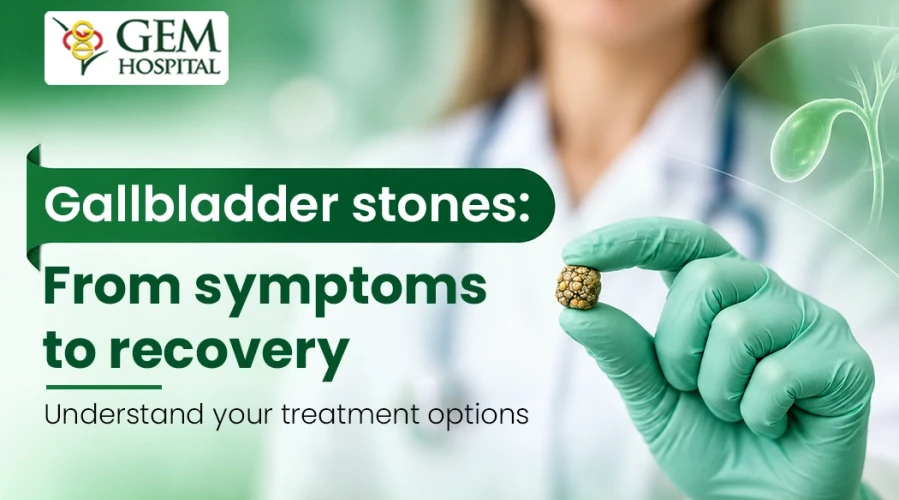
Learn about gallbladder stone symptoms, diagnosis, treatment options, surgery and recovery at GEM Hospital, Chennai.
Modern Surgical Techniques: Advancements That Improve Patient Recovery

Modern surgical techniques have brought a major transformation to the medical field. With the advancement of surgical technology, doctors are now able to perform complex procedures with greater precision, safety, and efficiency. These innovative methods help surgeons operate with improved control and accuracy while reducing the impact of hand tremors during surgery.
The introduction of modern surgical techniques has significantly improved patient outcomes, reduced complications, and enhanced recovery experiences for many individuals undergoing surgery.
Challenges of Traditional Surgery
Before the development of modern surgical techniques, traditional surgeries required large incisions to access the affected organs or tissues. These procedures often resulted in:
- Significant blood loss
- Severe post-operative pain
- Longer recovery periods
- Higher risk of infection
Patients undergoing traditional surgery usually needed extended hospital stays, which could disrupt their daily activities, work schedules, and overall quality of life.
Advantages of Modern Surgical Techniques
One of the biggest advantages of modern surgical techniques is the use of minimally invasive procedures. These procedures involve very small incisions, allowing surgeons to perform operations using specialized instruments and advanced imaging technology.
Benefits of modern surgical techniques include:
- Reduced blood loss
- Minimal pain after surgery
- Smaller surgical scars
- Faster recovery time
- Shorter hospital stays

Many patients who undergo procedures using modern surgical techniques are able to return home within a few days and resume normal activities much sooner compared to traditional surgical methods.
The First Few Days After Surgery
The first few days following surgery are crucial for recovery. Patients who undergo procedures using modern surgical techniques should ensure adequate rest and carefully follow their doctor's instructions.
Important recovery steps include:
- Taking prescribed pain medications regularly
- Maintaining proper hygiene around the surgical site
- Monitoring the wound for any signs of infection
Keeping the surgical area clean and following medical guidance can significantly improve healing and reduce the risk of complications.
Gradual Return to Activity
Patients recovering from surgery should begin light physical activities gradually. Doctors usually recommend simple exercises such as short walks to help improve circulation and promote healing.
Activities should be increased slowly over time based on the patient’s recovery progress. It is important to remember that recovery time may vary from person to person.
Precautions Before Surgery
Before undergoing any procedure using modern surgical techniques, patients should take several important precautions.
These include:
- Undergoing a complete medical examination
- Avoiding smoking and alcohol consumption
- Informing the doctor about blood-thinning medications
- Understanding the surgical procedure in detail through consultation with the doctor
Proper preparation can help ensure a safe and successful surgical experience.
Care After Surgery
After surgery, patients should strictly follow their doctor’s medical advice to support proper healing.
Key post-surgery guidelines include:
- Following all medical instructions carefully
- Maintaining dietary restrictions if advised
- Attending scheduled follow-up visits
- Consulting a doctor immediately if unusual symptoms appear
Proper post-operative care plays a major role in ensuring successful recovery.
Future Advances in Surgical Technology
The medical field continues to evolve with new innovations in modern surgical techniques. One of the most promising developments is the use of Artificial Intelligence (AI) in surgery.
AI-powered technologies can help surgeons perform procedures with even greater precision and accuracy. Additionally, live streaming technology allows medical experts from different parts of the world to assist in complex surgeries in real time.
These advancements are expected to make modern surgical techniques even more effective and accessible in the future.
Talk to Your Doctor
Although modern surgical techniques offer many advantages, they may not be suitable for every patient or medical condition. It is always important to consult a qualified doctor to determine the most appropriate treatment option based on individual health conditions.
Kidney Stones: Causes, Prevention, and Treatment
Kidney stones are a common health condition that affects many people today. These stones form in the kidneys and may travel through the urinary tract, causing severe pain and discomfort.
Types of Kidney Stones
Kidney stones can form in several different types. The most common type is calcium oxalate stones.
Other types include:
- Uric acid stones
- Struvite stones
- Cystine stones
Each type of kidney stone develops due to different factors and health conditions.
Common Symptoms of Kidney Stones
Common symptoms of kidney stones include:
- Severe pain in the lower back or abdomen
- Burning sensation during urination
- Blood in the urine
- Frequent urge to urinate
- Nausea and vomiting
- Fever
If these symptoms appear, medical consultation is strongly recommended.
Causes of Kidney Stones
Several factors can contribute to the formation of kidney stones, including:
- Insufficient water intake
- Diets high in salt and protein
- Genetic or hereditary factors
- Obesity
- Certain medications
- Chronic dehydration
Understanding these causes can help individuals take preventive measures.
Prevention Methods
Drinking Enough Water
Drinking at least 2–3 liters of water daily can significantly reduce the risk of kidney stones. During hot weather, water intake should be increased.
Natural drinks such as lemon juice, coconut water, and fresh fruit juices can also help maintain hydration.
Dietary Changes
Preventive dietary habits include:
- Reducing salt intake
- Consuming fiber-rich foods
- Limiting foods high in oxalates
- Including adequate calcium in the diet
- Avoiding excessive protein consumption
Lifestyle Changes
Healthy lifestyle habits can help prevent kidney stones:
- Regular physical activity
- Maintaining a healthy weight
- Getting sufficient sleep
- Managing stress effectively
Treatment Options
Treatment for kidney stones depends on the size and severity of the stones.
Treatment for Small Stones
- Increased fluid intake
- Medication
- Pain management treatments
Treatment for Larger Stones
- ESWL (Extracorporeal Shock Wave Lithotripsy) – a treatment that breaks stones into smaller fragments
- Minimally invasive surgery
- Laser treatment
What to Do If Kidney Stones Are Diagnosed
If kidney stones are detected, patients should:
- Increase daily water intake
- Take medications prescribed by a doctor
- Rest adequately
- Apply warm compresses to relieve pain
- Strain urine to collect stone fragments for medical analysis
When Should You See a Doctor?
Immediate medical attention is necessary if you experience:
- Severe pain
- Fever
- Difficulty urinating
- Persistent vomiting
- Blood in the urine
These symptoms may indicate serious complications and should be evaluated by a healthcare professional as soon as possible. If you experience any of these symptoms, consult a specialist at GEM Hospital and book an appointment for timely diagnosis and proper treatment.
These symptoms may indicate serious complications and should be evaluated by a healthcare professional as soon as possible. If you notice any of these warning signs, consult the specialists at GEM Hospital and book an appointment today for expert diagnosis and advanced treatment.
Book a consultation with GEM Hospital’s today.