Learn about gallbladder stone symptoms, diagnosis, treatment options, surgery and recovery at GEM Hospital, Chennai.
Complete Guide to Gall Bladder Stone Treatment in Chennai: Symptoms, Causes, and Advanced Treatment Options
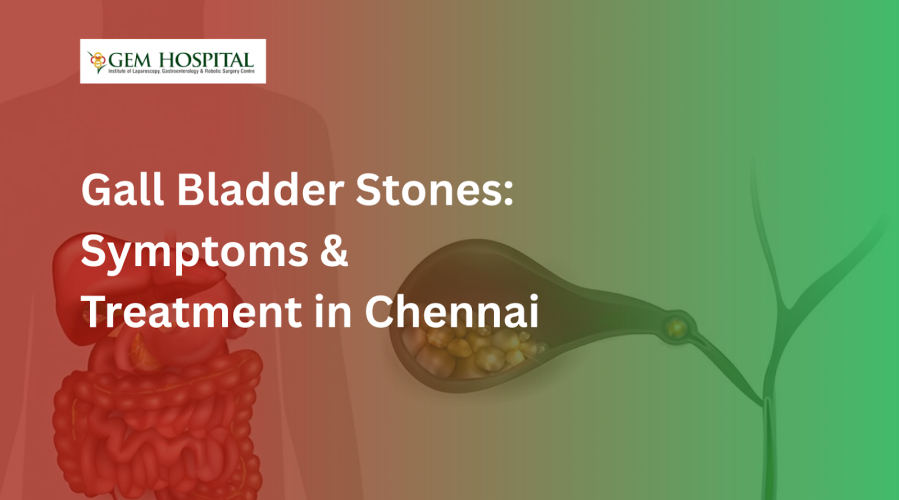
Gall bladder stones are one of the most common digestive conditions affecting millions of people worldwide. These stones develop in the gall bladder, a small organ located beneath the liver that helps store bile used in digestion. When these stones block the bile ducts or cause inflammation, they can lead to severe abdominal pain and other complications.
If you are experiencing symptoms related to gall bladder stones, seeking timely medical care is essential. Many patients today search for Gall bladder Stone Treatment in Chennai because the city offers advanced diagnostic facilities and minimally invasive surgical treatments that ensure faster recovery and better outcomes.
This guide explains everything you need to know about gall bladder stones, including their symptoms, causes, diagnosis, and the most effective treatment options available today.
What Are Gall Bladder Stones?
Gall bladder stones, also known as gallstones, are hardened deposits that form in the gall bladder. These stones can vary in size, ranging from tiny grains to larger stones that may block the bile ducts.
Gallstones are generally formed due to an imbalance in the substances that make up bile, such as cholesterol, bile salts, and bilirubin. When these substances become concentrated, they can crystallize and gradually form stones.
Many people may have gallstones without symptoms, but when the stones block the bile ducts, they can cause intense pain and digestive problems.
Common Symptoms of Gall Bladder Stones
Symptoms of gall bladder stones may appear suddenly and can vary depending on the severity of the condition. Some individuals may remain symptom-free for years, while others experience recurring discomfort.
Common symptoms include:
- Severe pain in the upper right abdomen
- Pain that spreads to the back or right shoulder
- Nausea and vomiting
- Indigestion or bloating after meals
- Sudden abdominal pain after eating fatty foods
- Fever and chills in case of infection
- Yellowing of the skin or eyes (jaundice) in severe cases
This pain, often referred to as gallbladder attack, can last from a few minutes to several hours and may require immediate medical attention.
Causes of Gall Bladder Stones
Several factors can contribute to the formation of gall bladder stones. These include lifestyle habits, diet, medical conditions, and genetic factors.
Some common causes include:
- High Cholesterol in Bile
When the liver releases too much cholesterol into bile, it can lead to stone formation.
- Obesity and Poor Diet
Consuming foods high in fat and cholesterol increases the risk of developing gallstones.
- Rapid Weight Loss
Sudden weight loss or crash dieting may disturb bile balance and promote stone formation.
- Diabetes
People with diabetes are more likely to develop gall bladder stones due to metabolic changes.
- Hormonal Changes
Pregnancy and hormone therapies can increase cholesterol levels in bile.
- Family History
Genetics may also play a role in gallstone development.
Understanding these causes helps doctors recommend preventive strategies and the most suitable treatment options.

How Gall Bladder Stones Are Diagnosed
Doctors typically diagnose gall bladder stones through a combination of clinical evaluation and imaging tests.
The most common diagnostic methods include:
- Ultrasound Scan
An abdominal ultrasound is the most commonly used test to detect gallstones.
- CT Scan
This imaging technique helps identify complications such as infections or blockages.
- Blood Tests
Blood tests may be recommended to check for signs of infection or bile duct obstruction.
- Endoscopic Procedures
In some cases, doctors may perform specialized endoscopic procedures to detect stones in bile ducts.
Early diagnosis is important because untreated gallstones can lead to complications such as gall bladder infection, pancreatitis, or bile duct blockage.
Advanced Gall Bladder Stone Treatment Options
Modern medical technology has significantly improved the treatment of gall bladder stones. Today, most patients can be treated using minimally invasive procedures that offer quicker recovery and minimal discomfort.
Medication
In rare cases, small cholesterol stones may be treated with medications that help dissolve them. However, this treatment may take months or years and is not suitable for all patients.
Laparoscopic Gallbladder Surgery
The most effective treatment for gallstones is laparoscopic cholecystectomy, a minimally invasive procedure to remove the gall bladder.
During this surgery:
- Small incisions are made in the abdomen
- A tiny camera is inserted to guide the surgeon
- The gall bladder is carefully removed
This procedure is widely recommended because it offers:
- Faster recovery
- Minimal scarring
- Reduced hospital stay
- Lower risk of complications
Patients usually return to normal activities within a few days after surgery.
Recovery After Gall Bladder Surgery
Recovery after laparoscopic gall bladder surgery is generally smooth and quick.
Patients are usually able to:
- Walk within a few hours after surgery
- Resume normal diet gradually
- Return to work within a week
- Experience minimal post-operative discomfort
Doctors may recommend temporary dietary adjustments to support digestion after the removal of the gall bladder.
When Should You See a Doctor?
You should consult a specialist if you experience:
- Severe or recurring abdominal pain
- Pain after meals, especially fatty foods
- Persistent nausea or vomiting
- Fever or chills along with abdominal pain
- Yellowing of skin or eyes
Early medical consultation ensures timely diagnosis and prevents complications.
Gall bladder stones can cause significant discomfort and may lead to serious health complications if left untreated. Fortunately, modern medical advancements have made Gall bladder Stone Treatment in Chennai highly effective and accessible. Early diagnosis, expert medical care, and minimally invasive surgical techniques help patients recover quickly and return to normal life without prolonged discomfort.
For patients seeking advanced care, GEM Hospital is recognized for its expertise in gastrointestinal treatments and minimally invasive surgery. The hospital is equipped with advanced technology and experienced specialists who provide comprehensive evaluation and treatment for gall bladder stones.
If you are experiencing symptoms or have been diagnosed with gallstones, consult the specialists at GEM Hospital for expert care and personalized treatment.
Book Appointment today to receive the right diagnosis and effective treatment for gall bladder stones.
Book a consultation with GEM Hospital’s today.