Learn about gallbladder stone symptoms, diagnosis, treatment options, surgery and recovery at GEM Hospital, Chennai.
From Symptoms to Recovery: Exploring Gall Bladder Stone Care at GEM Hospital, Chennai
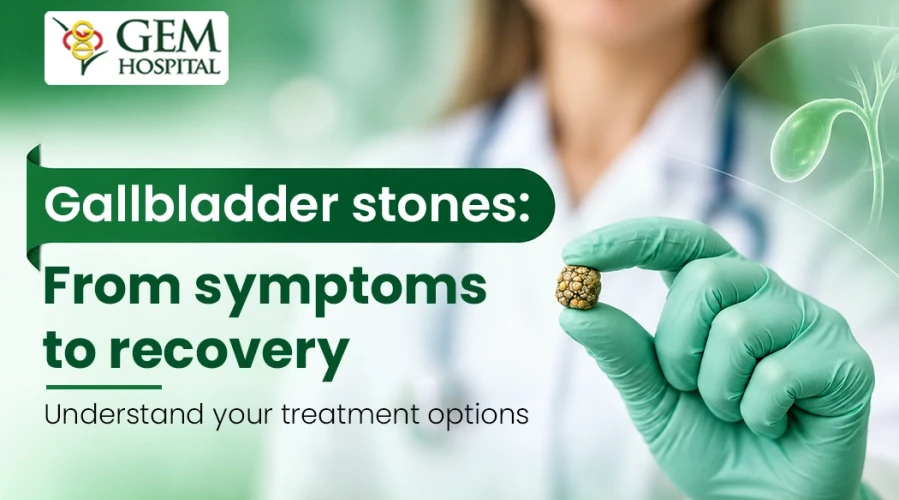
Gallbladder stones can develop without noticeable symptoms, but when they block the normal flow of bile, they may cause abdominal pain, nausea and other digestive complaints. Recognising these symptoms early and understanding the available treatment options can help patients seek appropriate medical care.
For people looking for gall bladder stone treatment in Chennai, the treatment approach depends on the size and location of the stones, the severity of symptoms and whether complications have developed. While some gallstones do not require immediate treatment, symptomatic gallstones may require surgery to remove the gallbladder.
At GEM Hospital, Chennai, patients can consult specialists to understand their condition, explore suitable treatment options and receive guidance on recovery. From initial evaluation to post-treatment care, an informed approach helps patients understand what to expect at every stage.
What Are Gallbladder Stones?
Gallbladder stones, medically known as gallstones, are hardened deposits that develop inside the gallbladder. The gallbladder is a small, pear-shaped organ located beneath the liver. It stores bile, a digestive fluid produced by the liver that helps the body digest fats.
Gallstones can vary in size, ranging from tiny deposits to larger stones. Some people develop a single stone, while others may have multiple stones.
Gallstones generally form when substances in bile, such as cholesterol or bilirubin, become concentrated and crystallise. However, the exact cause can vary between individuals.
What Are the Different Types of Gallstones?
Gallstones are generally classified into two main types.
Cholesterol stones: These are usually formed when bile contains more cholesterol than it can keep dissolved. They are the most common type of gallstone in many populations.
Pigment stones: These stones contain bilirubin compounds and may be associated with certain blood disorders, liver conditions or infections of the biliary system.
Identifying the presence of gallstones and assessing their location helps doctors determine whether treatment is necessary.
What Are the Symptoms of Gallbladder Stones?
Gallbladder stones do not always cause symptoms. Many people discover them incidentally during an ultrasound or another investigation performed for an unrelated reason.
However, when a stone blocks the outlet of the gallbladder or a bile duct, symptoms may develop.
What Are the Common Warning Signs of Gallstones?
The symptoms of gallbladder stones may include:
- Pain in the upper right side of the abdomen
- Pain in the upper middle portion of the abdomen
- Discomfort that may spread to the back or right shoulder
- Nausea or vomiting
- Abdominal pain after eating, particularly following a fatty meal
- Episodes of pain that last from several minutes to a few hours
The pain may occur suddenly and can be severe. It may subside when the obstruction resolves, but recurring episodes should be medically evaluated.
Can Gallbladder Stones Cause Fever or Jaundice?
Yes. Fever, chills or jaundice can indicate a complication, such as gallbladder inflammation, bile duct obstruction or infection.
Seek urgent medical assessment if you experience severe or persistent abdominal pain, fever with abdominal pain, yellowing of the eyes or skin, or repeated vomiting. These symptoms should not be ignored.
What Causes Gallbladder Stones?
Gallstones develop due to changes in the composition of bile or the way the gallbladder empties. Several factors can increase the likelihood of developing them.
Common Risk Factors for Gallstones
Excess cholesterol in bile: When bile contains more cholesterol than it can dissolve, crystals may form and gradually develop into stones.
Reduced gallbladder emptying: If the gallbladder does not empty effectively, bile may become concentrated, increasing the risk of stone formation.
Age and hormonal factors: The risk of gallstones can increase with age. Hormonal influences, including those associated with pregnancy, can also affect gallstone formation.
Excess body weight: Being overweight or having obesity can increase the risk of cholesterol gallstones.
Rapid weight loss: Losing weight rapidly may change bile composition and increase the likelihood of stone formation.
Family history and certain medical conditions: Genetic factors, some liver conditions and particular blood disorders may also contribute to gallstone risk.
Although these factors can increase the likelihood of gallstones, they do not mean that every person with these characteristics will develop them.
How Are Gallbladder Stones Diagnosed?
Accurate diagnosis helps determine whether gallstones are responsible for a patient's symptoms and whether treatment is required.
A doctor may recommend a combination of clinical assessment, imaging and laboratory investigations.
What Tests Are Used to Detect Gallstones?
Abdominal ultrasound: Ultrasound is commonly used to identify gallstones and assess the gallbladder for signs of inflammation or other abnormalities.
Blood tests: Blood investigations may help assess liver function, inflammation and other signs of possible complications.
MRCP: Magnetic resonance cholangiopancreatography is a specialised MRI examination that can help identify stones in the bile ducts when they are suspected.
Endoscopic ultrasound: In selected cases, this procedure can provide detailed images of the gallbladder and bile ducts.
Not every patient requires all these investigations. The doctor recommends tests based on the symptoms, examination findings and initial results.
What Are the Treatment Options for Gallbladder Stones?
The right treatment depends on whether the stones are causing symptoms, whether complications are present and where the stones are located.
For patients exploring gall bladder stone treatment in Chennaii, understanding the difference between observation, surgery and procedures for bile duct stones is an important part of treatment planning.
Do All Gallbladder Stones Need Treatment?
No. Gallstones that are discovered incidentally and do not cause symptoms often do not require immediate treatment.
Doctors may recommend observation when there are no symptoms or specific complications that warrant intervention. Patients should discuss their individual risk factors and follow-up needs with their doctor.
When gallstones cause recurring pain or complications, active treatment may be recommended.
Is Gallbladder Removal the Standard Treatment for Symptomatic Gallstones?
Laparoscopic cholecystectomy, a minimally invasive procedure to remove the gallbladder, is a common and established treatment for symptomatic gallstones.
Removing the gallbladder helps prevent future episodes caused by stones forming or remaining within that organ. The decision to proceed with surgery depends on the patient's symptoms, medical condition and clinical assessment.
What Is Laparoscopic Gallbladder Surgery?
Laparoscopic gallbladder surgery is performed through small incisions in the abdomen using a camera and specialised surgical instruments.
During the procedure, the surgeon removes the gallbladder containing the stones. The operation is generally performed under general anaesthesia.
Potential benefits of the laparoscopic approach include:
- Smaller surgical incisions
- Less postoperative discomfort for many patients
- Shorter hospital stays in suitable cases
- Earlier return to routine activities compared with traditional open surgery
The expected recovery and potential risks vary from person to person. In some cases, an open operation may be necessary because of severe inflammation, complex anatomy or other surgical considerations.
Can Gallstones Be Removed Without Removing the Gallbladder?
Treatment depends on where the stones are located.
For stones inside the gallbladder that are causing symptoms, removing the gallbladder is generally the preferred definitive treatment. Simply removing the stones while leaving the gallbladder in place may allow new stones to develop.
Stones in the common bile duct may require a different approach. An endoscopic procedure called ERCP may be used to remove stones from the duct. If gallstones are also present in the gallbladder, additional treatment may be recommended depending on the patient's condition.
Medicines that dissolve certain cholesterol stones have limited applications and are not suitable for most patients requiring definitive treatment.
What Happens During Gallbladder Stone Surgery?
Understanding the surgical process can help patients feel more prepared for treatment.
Before the Procedure
The surgical team reviews the patient's symptoms, medical history, imaging results and blood investigations. The patient also receives instructions about fasting, regular medications and preparation for anaesthesia.
During the Procedure
In laparoscopic cholecystectomy, the surgeon uses small abdominal incisions to access and remove the gallbladder. The procedure is performed under general anaesthesia.
The surgical approach may change if the surgeon identifies inflammation, bleeding, unusual anatomy or other factors that make the laparoscopic method unsuitable.
After the Procedure
Following surgery, the medical team monitors the patient's recovery, pain levels, ability to drink fluids and general condition.
Depending on the patient's health and the complexity of the procedure, discharge may be possible on the same day or after an overnight stay. Some patients require a longer hospital stay.
What Is the Recovery Time After Gallbladder Stone Surgery?
Recovery after laparoscopic gallbladder surgery varies according to the patient's health, the surgical approach and whether complications occur.
Many patients return to light activities within several days and gradually resume their usual routine over the following one to two weeks. Recovery after open surgery or a complicated procedure may take longer.
What Should You Expect During Recovery?
Pain and discomfort: Mild abdominal soreness and temporary discomfort around the incision sites are common. Some patients also experience temporary shoulder discomfort due to the gas used during laparoscopic surgery.
Diet: Patients can usually return to a normal balanced diet gradually, as advised by their medical team. Smaller meals and temporarily limiting fatty foods may help if digestive discomfort occurs.
Physical activity: Walking and light movement are generally encouraged as recovery progresses. Heavy lifting and strenuous activities should be avoided until the treating surgeon confirms they are appropriate.
Incision care: Keeping the surgical wounds clean and following the hospital's dressing instructions can help support healing.
When Should You Contact Your Doctor After Surgery?
Medical advice should be sought promptly if you experience:
- Fever or chills
- Increasing abdominal pain
- Persistent vomiting
- Yellowing of the skin or eyes
- Redness, swelling or discharge from the wound
- Inability to eat or drink adequately
These symptoms may indicate a complication and require assessment.
Can You Live Normally Without a Gallbladder?
Yes. Most people can live a normal life without a gallbladder.
After removal, bile flows directly from the liver into the small intestine rather than being stored in the gallbladder. The digestive system generally adapts to this change.
Some people may experience temporary bloating, loose stools or discomfort after eating fatty foods. These symptoms often improve over time, although persistent digestive problems should be discussed with a doctor.
A balanced diet, regular physical activity and appropriate follow-up can support overall digestive health.
How Can You Reduce the Risk of Gallbladder Stones?
Not all gallstones can be prevented, but certain lifestyle habits may help reduce risk, particularly for cholesterol stones.
What Lifestyle Changes May Help?
Maintain a healthy weight: Gradual, sustainable weight management is preferable to rapid weight loss.
Eat a balanced diet: Include vegetables, fruits, whole grains and appropriate sources of dietary fibre.
Avoid crash diets: Very rapid weight loss can increase the risk of gallstone formation.
Stay physically active: Regular physical activity supports overall metabolic health.
Manage underlying health conditions: Conditions such as diabetes and obesity may affect gallstone risk. Appropriate medical care can help manage these conditions.
These measures can support general health but cannot guarantee that gallstones will not develop.
Gall Bladder Stone Treatment in Chennai at GEM Hospital
Patients seeking gall bladder stone treatment in Chennai need an accurate diagnosis and a treatment plan based on their symptoms, test results and overall health.
At GEM Hospital, Chennai, patients can seek specialist evaluation for gallbladder and biliary conditions to understand the available treatment options. Depending on the clinical findings, care may involve observation, laparoscopic gallbladder removal or procedures to address stones in the bile ducts.
The choice of treatment should be made after consultation with the treating specialist, who can explain the expected benefits, risks, alternatives and recovery requirements.
Early assessment is particularly important for patients experiencing repeated abdominal pain or warning signs of complications. Timely medical advice can help determine the appropriate next step and avoid unnecessary delays in care.
Frequently Asked Questions About Gall Bladder Stone Treatment in Chennai
What Is the Best Treatment for Gallbladder Stones?
The best treatment depends on whether the stones cause symptoms or complications. Asymptomatic gallstones may only require observation, while symptomatic gallstones are commonly treated with laparoscopic cholecystectomy.
Can Gallbladder Stones Go Away on Their Own?
Most gallbladder stones do not disappear on their own. Some selected cholesterol stones may be treated with medicines, but this approach has limited use and stones may recur. Treatment depends on the location of the stones and the patient's symptoms.
Is Gallbladder Stone Surgery Safe?
Laparoscopic gallbladder removal is a commonly performed operation. However, as with any surgery, it carries potential risks, including bleeding, infection, bile duct injury and complications related to anaesthesia. The surgeon can explain the individual risks before treatment.
How Long Does Gallbladder Stone Surgery Take?
The duration depends on the complexity of the case and the surgical findings. The surgeon can provide an estimate after reviewing the patient's condition and investigations.
How Many Days of Rest Are Needed After Gallbladder Surgery?
Many patients return to light activities within several days and resume most routine activities within one to two weeks after uncomplicated laparoscopic surgery. Open surgery or complications may require a longer recovery period.
Can Gallstones Cause Jaundice?
Yes. Gallstones that block the common bile duct can prevent bile from draining normally and cause jaundice. Yellowing of the eyes or skin, particularly with fever or abdominal pain, requires urgent medical assessment.
Can I Eat Normally After Gallbladder Removal?
Most people can gradually return to a balanced, normal diet after gallbladder removal. Some may initially tolerate smaller meals and lower-fat foods better. Persistent digestive symptoms should be discussed with the treating doctor.
When Should I Consult a Gallbladder Specialist in Chennai?
Consult a specialist if you experience recurring upper abdominal pain, particularly after meals, nausea or other symptoms that may indicate gallstones. Severe persistent pain, fever, repeated vomiting or jaundice requires urgent medical assessment.
Conclusion
Gallbladder stones can remain unnoticed for years or cause recurring pain and serious complications when they obstruct the flow of bile. Understanding the symptoms, diagnosis and available treatment options helps patients make informed decisions about their care.
For people seeking gall bladder stone treatment in Chennai, the appropriate approach depends on whether the stones are causing symptoms, their location and the patient's overall health. While observation may be suitable for some patients, laparoscopic gallbladder removal is a common treatment for symptomatic gallstones.
At GEM Hospital, Chennai, specialist consultation can help patients understand their diagnosis, explore suitable treatment options and receive guidance on recovery.
Experiencing recurring abdominal pain or suspecting gallbladder stones? Consult a specialist at GEM Hospital, Chennai, to understand your treatment options.
Medical disclaimer: This article is intended for general educational purposes and does not replace professional medical advice. Diagnosis and treatment decisions should be made in consultation with a qualified healthcare professional.
Book a consultation with GEM Hospital’s today.