Looking for liver transplant in Chennai? Learn how to choose an experienced liver transplant surgeon based on expertise, transplant team, technology and care.
Digestive System: The Amazing Journey of Food in the Human Body
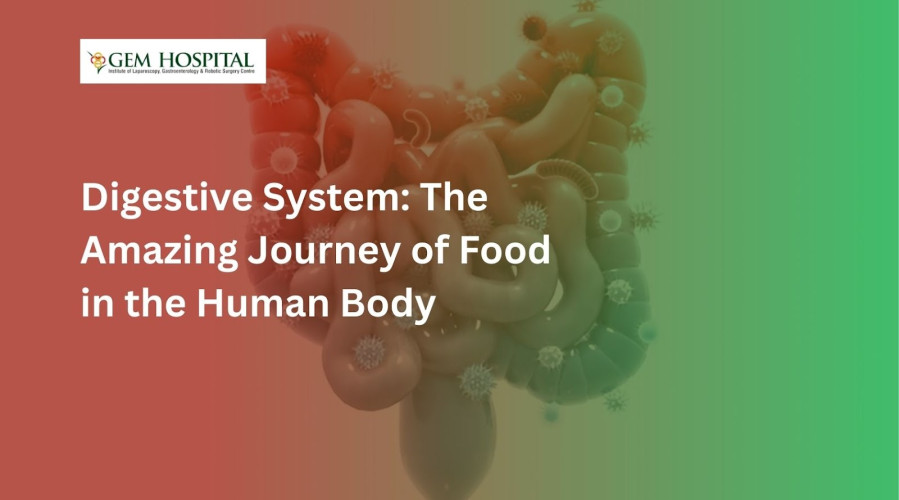
Have you ever wondered where the idli you ate this morning goes? Once you eat food, it begins an incredible journey inside your digestive system. This journey is similar to a roller coaster ride where food travels through tunnels, acids, and twisting pathways before becoming energy for your body.
The entire digestion process usually takes between 24 and 72 hours. During this time, the digestive system breaks down food into nutrients that help you run, play, think, and grow. This fascinating process is known as digestion.
Digestive System – A 9 Meter Long Pathway
The digestive system is a long and complex pathway inside the human body. In fact, it is about 9 meters (30 feet) long. Even though it is very long, it fits inside the body because it is folded and coiled.
The digestive system includes several important organs that work together to break down food and absorb nutrients.
The main parts of the digestive system are:
- Mouth – The starting point of digestion
- Esophagus – A muscular tube that carries food to the stomach
- Stomach – The organ where food is mixed and broken down further
- Small Intestine – The place where most nutrients are absorbed
- Large Intestine – The organ responsible for water absorption and waste formation
Other organs that support the digestive process include the liver, gallbladder, and pancreas.
The Digestion Process – Step by Step
Mouth: The Beginning of Digestion
Digestion begins in the mouth. When you chew food, your teeth break it into smaller pieces while your saliva mixes with it.
Saliva contains special enzymes such as amylase, which begin breaking down carbohydrates into simple sugars. Proper chewing plays an important role in improving digestion and supporting digestive health.
Esophagus: Moving Food to the Stomach
Once food is swallowed, it travels through the esophagus, a muscular tube connecting the mouth and the stomach.
The movement of food through this tube happens through a process called peristalsis, where muscles contract in wave-like motions to push food toward the stomach.
Stomach: The Food Mixer
The stomach acts like a powerful mixing chamber in the digestive system. It contains strong acid called hydrochloric acid, which helps break down food.
This acid is very strong, but the stomach walls are protected by a layer of mucus that prevents damage.
Inside the stomach, food is mixed and broken down into a semi-liquid substance called chyme before moving into the small intestine.
Small Intestine: Nutrient Absorption
The small intestine is the most important organ in the digestive system when it comes to nutrient absorption.
Although it is called "small," it is about 6 meters long. The inner walls contain millions of tiny finger-like structures called villi, which absorb nutrients into the bloodstream.
At this stage, the nutrients from food are absorbed, including:
- Carbohydrates for energy
- Proteins for muscle growth and repair
- Vitamins and minerals for overall health
These nutrients are transported through the bloodstream to support the body's functions.
Large Intestine: Waste Processing
After nutrients are absorbed, the remaining materials move into the large intestine.
The large intestine absorbs water and converts the leftover materials into waste that will eventually leave the body.
Fiber plays an important role in maintaining healthy bowel movements and supporting overall digestive system function.
Organs That Support the Digestive System
Liver
The liver produces bile, which helps break down fats during digestion.
Gallbladder
The gallbladder stores bile and releases it when fatty foods are consumed.
Pancreas
The pancreas produces digestive enzymes that help break down proteins, fats, and carbohydrates. It also releases insulin to regulate blood sugar levels.

Importance of a Healthy Digestive System
Maintaining a healthy digestive system is essential for overall well-being. Proper digestion allows the body to absorb nutrients that provide energy and support growth.
Important nutrients obtained from food include:
- Carbohydrates – Provide energy
- Proteins – Build muscles and tissues
- Fats – Support brain function and energy storage
- Vitamins and Minerals – Maintain body functions
- Fiber – Helps maintain digestive health
Poor digestion may lead to fatigue, nutrient deficiency, and other digestive disorders.
Interesting Facts About the Digestive System
- The stomach acid in the digestive system has a pH level between 1 and 3, making it extremely strong.
- An average person may consume nearly 30,000 kilograms of food in their lifetime.
- The surface area of the small intestine is about 250–300 square meters, roughly the size of a tennis court.
The digestive system is one of the most important systems in the human body. It plays a crucial role in converting food into energy and nutrients needed for growth and overall health.
If you experience symptoms such as stomach pain, indigestion, acid reflux, bloating, or other digestive disorders, it is important to seek medical attention.
GEM Hospital provides advanced diagnosis and treatment for digestive system disorders using modern medical technology and expert care.
For expert consultation and personalized digestive care, book an appointment at GEM Hospital and take the first step toward better digestive health.
Book a consultation with GEM Hospital’s today.