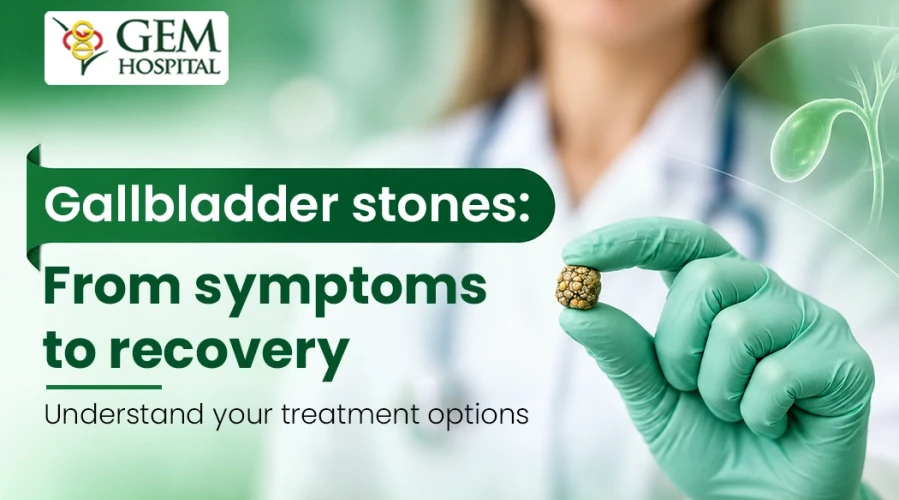
Learn about gallbladder stone symptoms, diagnosis, treatment options, surgery and recovery at GEM Hospital, Chennai.
Colonic Diverticulosis Causes, Symptoms, Complications, and Prevention
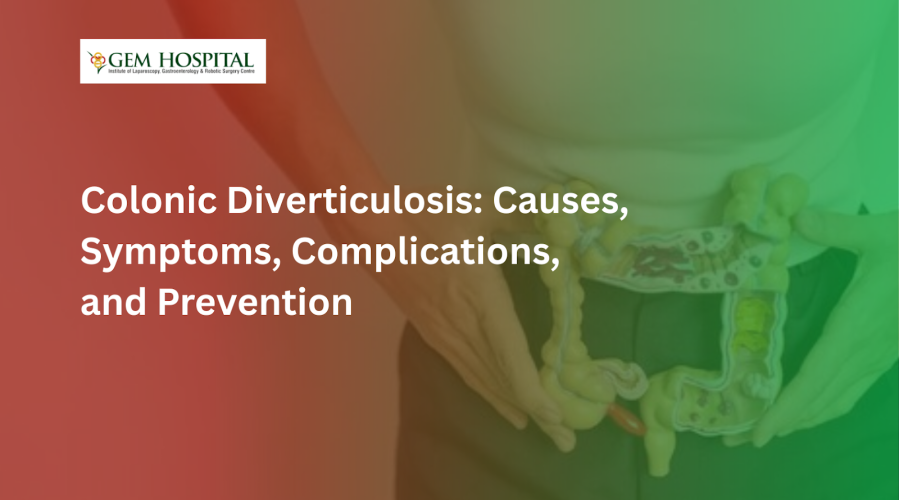
Colonic diverticulosis is a condition in which small pouches, called diverticula, form in the wall of the large intestine (colon). These pouches usually develop in weak areas of the intestinal wall, especially where blood vessels pass through the muscle layers. Although many people with diverticulosis experience no symptoms, the condition can lead to serious complications if not properly managed.
Understanding the causes, symptoms, and available colonic diverticulosis treatment options is essential for maintaining long-term digestive health.
Causes and Risk Factors
The exact cause of colonic diverticulosis is not completely understood, but it is commonly associated with:
- Increasing age
- Low-fiber diet
- Chronic constipation
- Lack of physical activity
- Obesity
- Smoking
- High consumption of processed foods
Low-fiber diets can lead to hard stools and increased pressure inside the colon, contributing to the formation of diverticula.
Symptoms of Colonic Diverticulosis
In most cases, diverticulosis does not cause noticeable symptoms. Many people live with this condition without realizing it.
However, when the diverticula become inflamed or infected (diverticulitis), symptoms may include:
- Abdominal pain, usually on the lower left side
- Fever and chills
- Bloating and gas
- Constipation or diarrhea
- Nausea and vomiting
- Fatigue
Prompt medical evaluation is important when these symptoms occur.
Complications of Diverticulosis
Although diverticulosis is often harmless, complications may develop if infection or inflammation occurs.
Diverticulitis
Diverticulitis occurs when diverticula becomes infected. It may lead to severe abdominal pain, fever, and digestive disturbances. In severe cases, it can cause abscess formation, bowel perforation, fistulas, or intestinal blockage.
Diverticular Bleeding
Some patients may experience painless rectal bleeding, which appears as bright red or dark-colored blood in stools. Severe bleeding requires immediate medical attention.
Colonic Diverticulosis Treatment Options
The approach to colonic diverticulosis treatment depends on the severity of symptoms and presence of complications.
1. Lifestyle and Dietary Management
For mild and uncomplicated cases, treatment focuses on lifestyle changes, including:
- Increasing dietary fiber intake (fruits, vegetables, whole grains)
- Drinking plenty of water
- Exercising regularly
- Avoiding processed and junk foods
These measures help prevent constipation and reduce pressure on the colon.
2. Medical Treatment
When inflammation or infection is present, doctors may prescribe:
- Antibiotics
- Pain relief medications
- Probiotics
- Temporary dietary modifications
Regular follow-ups ensure proper recovery.
3. Hospital-Based Care
Severe cases may require hospitalization for:
- Intravenous antibiotics
- Fluid therapy
- Close monitoring
4. Surgical Treatment
Surgery is recommended in cases of repeated infections, severe bleeding, bowel perforation, or obstruction. Advanced laparoscopic and robotic procedures allow safe removal of affected bowel segments with faster recovery.
Prevention Through Healthy Lifestyle
Preventing diverticulosis and its complications is possible through simple daily habits:
- Eat a fiber-rich diet (25–30 grams daily)
- Stay hydrated
- Maintain a healthy weight
- Exercise regularly
- Avoid smoking and excess alcohol
- Undergo regular colon screening after 45 years

These steps also support overall digestive health.
When to Seek Medical Help
Consult a doctor immediately if you experience:
- Severe or persistent abdominal pain
- Fever
- Blood in stools
- Continuous vomiting
- Sudden bowel habit changes
Early treatment helps prevent serious complications.
Expert Care at GEM Hospital
Colonic diverticulosis is a common condition that can be effectively managed with timely diagnosis, proper lifestyle changes, and advanced medical care. Understanding available colonic diverticulosis treatment options helps patients take control of their digestive health and avoid long-term complications.
At GEM Hospital, our team of experienced gastroenterologists and colorectal surgeons provides comprehensive care using advanced diagnostic tools, modern medical therapy, and minimally invasive surgical techniques. We focus on personalized treatment plans to ensure safe recovery and improved quality of life.
If you are experiencing symptoms or have been diagnosed with diverticulosis, do not delay treatment.
Book your appointment today at GEM Hospital and take the first step toward better digestive health.
Book a consultation with GEM Hospital’s today.